Investing in an Automotive Memory Lane

Posted on by

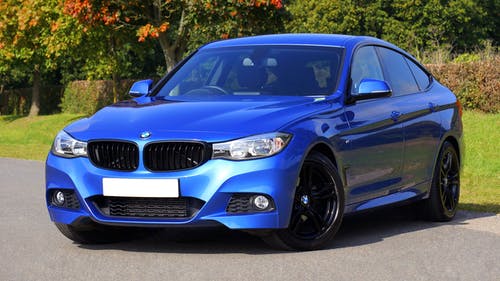
Owning a car is a dream come true for many people. Not only is it an expression of success and pride, but it can be an investment that pays off in the long run. Collecting cars as a hobby has become increasingly popular in recent years. This is a great way to show off your passion and love for all things automotive. A car can tell a story about its owner’s past and present. It can serve as a conversation piece and become a tangible representation of their style and personality.

Collecting cars is no easy task. Besides the financial investment required to purchase, maintain, and store the vehicles, there is an emotional investment as well. Collectors must be prepared to make room in their homes or garages for their prized possessions. They must also choose to invest in their cars wisely. A mechanic can help you ascertain which cars are worth purchasing, along with their relative value over time.

The costs associated with collecting cars go beyond the purchase price. Collectors must factor in the cost of licensing, insurance, storage, and maintenance of the cars into their investments. These costs can vary greatly depending on the type and age of the vehicle. Some cars may even require specialty parts or custom fabrication to ensure their longevity.

When deciding whether or not to collect a car, it’s important to look at it as an investment. This means considering the potential for appreciation or value degradation of the car. It’s also helpful to consider how much joy the car will bring to its owner. There is something special about knowing that the car you drive is unlike any other. Collecting cars is an opportunity to store a snapshot of the automotive history. In a way, it’s like having a living museum full of memories.

If a collector is looking to make an investment that will appreciate over time, certain rare models or classic cars may be worth more than their purchase price. On the other hand, if a collector is looking to purchase cars out of pure pleasure and nostalgia, it’s important to choose models that stand out. Regardless of the type of car chosen, the collector will appreciate the memories of their automotive journey and be able to relive them throughout the years to come.

Collecting cars has the potential to be a rewarding pastime. It brings together the worlds of automobiles and personal memories. This hobby is especially unique because it provides a tangible representation of a collector’s automotive passion and investment. In the end, it’s not just about the car but also the memories that it carries with it. The satisfaction of having a pristine classic in your garage that will be cemented in automotive memory is incomparable.

How to Defeat Car Obsession

Posted on by

In today’s modern world, cars are essential to many activities. Whether it’s for getting to and from work, school, or just running errands, cars are necessary. Unfortunately, that convenience has come at an unfortunate cost – car obsession. With the rise in global emissions, car obsession has become more apparent than ever, and there are a few ways to combat it and come to a more sustainable solution.

The first step is to realize that car obsession is real and it has a significant impact on the environment. Every time you take a car out for a spin, you’re contributing to increasing levels of carbon dioxide emissions, which in turn, are impacting global temperatures and the larger environment. Overspending on cars and excessive use can lead to additional, negative environmental impacts such as air pollution, water pollution, and habitat destruction. Rethinking and reducing your car usage, then, is essential.

For those already obsessed with cars, the first step is to monitor your habits and keep track of how often you’re taking your car out, as well as the number of miles you’re driving. When you’re able to visualize the data, you’ll gain some real insight into where you can reduce car use. To gain an even better understanding of when to reduce car usage, you should make a conscious effort to take public transportation, bike, or walk whenever possible. Depending on the city you live in, there may be carpooling or ride-sharing services you can utilize as well.

You should also make sure to take care of your car. Regular maintenance is important, especially if you want your car to run efficiently and not require more fuel over time. This maintenance should include checking the tire pressure, oil levels, and looking for any leaks. Also, replacing your car’s air filter regularly will ensure your car breathes better and runs more smoothly.

When your car is up and running, there are other methods to reduce your car obsession. Carpooling is an excellent way to reduce your overall emission levels without having to sacrifice transportation. Carpooling combines multiple people for the same route and car, thus reducing the number of cars on the road. It’s a practice that’s growing in popularity with the rise of new transportation apps like Uber and Lyft. When carpooling isn’t an option, you might want to consider alternatives to driving. With the ever-increasing variety of bike rentals or apps like Bridj that will get you to your destination through public transportation, you can easily avoid having to drive to your desired destination.

The last step of combatting car obsession is to understand how to utilize public transportation more effectively. High-frequency transit lines, such as light-rail or bus corridors, can often be more convenient than driving and can even be quicker depending on your location. To learn the location of public transit stops, consult with local transit authorities or websites to get the most up-to-date information.

By implementing some of the strategies mentioned above, you can easily reduce your car usage and help slow the impact of car obsession on the environment. This is an issue that’s bigger than every single car owner and needs to be addressed on a larger societal scale. As car owners, we have the responsibility to find the most sustainable methods of transportation available to us and reduce our car obsession. With the right attitude and dedication, car obsession can be defeated.

How to encourage drivers not to compete on illegal car racing on the streets?

Posted on by

Illegal car racing has become an epidemic in many cities across the world, posing a great safety risk to innocent bystanders. Every day, drivers in these areas recklessly speed, drift, and drag race on public roads in their automobiles, often resulting in high-speed collisions that can cause severe injuries or deaths. To keep these roads safe, it is important to find ways to discourage drivers from participating in these dangerous activities. Here, we discuss some strategies to encourage drivers not to compete in illegal car racing on the streets.

First and foremost, it’s important to raise awareness about the dangers of illegal car racing. Many drivers, especially young drivers, are unaware of the extreme consequences of partaking in these activities. Education campaigns and messages from local authorities should emphasize the risks of illegal car racing and urge drivers to obey traffic laws. Messages should focus on consequences of these activities, such as dangerous consequences such as severe injuries or even death, large fines, and suspension of driving privileges.

We must also provide other options for drivers who are tempted to enter illegal car racing. There are hundreds of racetracks around the country that provide a safe and legal environment for drivers who wish to participate in motor sports activities. These racetracks enforce strict safety standards for all participants, and provide a place for people to compete without risking the safety of those around them.

Besides providing alternative activity options, increased enforcement against illegal car racing can help discourage drivers from participating. Police should hold drivers accountable for any illegal activities they perpetrate, such as illegal street racing or reckless driving. Drivers should be served hefty fines and suspensions followed by mandated educational classes discussing the risks of such activities. As an added incentive to follow the law, rewards should be available to citizens who report any street racing activities to local law enforcement.

It is also important to reduce the appeal of street racing activities. To do this, legislators should regulate the types of modifications that can be made to a car, as many illegal racing cars are overly modified and can make them extremely dangerous. In addition, car shows and rallies featuring modified cars should be monitored to ensure that they do not turn into illegal street racing events.

Finally, society should encourage positive outlets for drivers who are interested in motor sports. Local car clubs and meetup groups should host organized events that allow drivers to compete in a safe and legal environment, and larger events like drag racing expos should be hosted periodically to provide more opportunities for these drivers.

Ultimately, illegal car racing is a dangerous and potentially deadly activity, and drivers must be held responsible for their actions. Through education, enforcement, and alternative activities, society can help discourage drivers from participating in these illegal activities, helping to keep our roads safe.

How Competitors Are Pushing the Limits

Posted on by

Obsession in car racing has been pushing the boundaries of what’s possible in the sport for decades. From the invention of the dragstrip to the increasingly complex tracks found in modern racing competitions, drivers and teams are always looking for ways to get the edge over their competition. Whether they’re tinkering with engines, tweaking suspension or using advanced aerodynamics to gain traction, almost every aspect of car racing is open to intense levels of perfectionism.

For many drivers and teams, the racing environment is a place where obsessions are formed and nurtured. It’s not uncommon for racers to become extremely passionate about the sport, dedicating many hours of time to perfecting the craft of driving, understanding the technical aspect of their cars and finding any advantage to claim victory. The idea of total commitment is one that is seen in all aspects of racing, from time trials to oval and circuit tracks.

In order to be successful and compete successfully, drivers need to be extremely dedicated and focused. That means adjusting every part of their own body as well as the vehicle they are driving in order to get faster and stay ahead of the competition. For example, the underbody plating used in Formula 1 cars must be completely adjusted and fine-tuned to create the perfect contact between the car and the track surface in each corner and at each corner exit. This can take hours of painstaking little adjustments to get just right, and it’s something that all teams focus on obsessively.

In addition to fine-tuning the cars themselves, drivers are also required to obsess over their own performance. High-level racing drivers will often spend countless hours perfecting every one of their racing lines, memorizing every corner and working hard to ensure minimal mistakes. The fastest lap times are usually achieved when mistakes are not made, and drivers understand the importance of maintaining a level of consistency throughout the race. Professional drivers are also expected to carefully keep track of the variables that can affect their performance and make swift adjustments as needed during the course of the race.

Finally, it’s important to note that obsession in car racing isn’t only limited to the drivers and teams themselves. The fan base of the sport can also be extremely passionate. The media can play a big role in hyping drivers up and encouraging fans to look for heroes in the sport. Ultimately, it’s the fans who make the sport what it is, and the hardworking drivers who can inspire and motivate in equal doses.

Overall, obsession in car racing is nothing new and has a long history in the sport. Today, drivers, teams and fans are all pushing the limits of what’s possible in the sport, as they continue to strive to stay ahead of their competition and build upon the legacy of past racers. Without the obsessive focus, dedication and passion of those involved, the sport of car racing wouldn’t be what it is today, and the impressive speed and skill displayed by today’s drivers would be impossible to attain.

Tips to help drivers remain sober

Posted on by

When there are more sober drivers on the road, there will be less number of accidents because almost everyone is in their sane or right mind. Drivers need to pay attention to their activities so that it would not affect their performance when they get behind the wheel.

Here are some tips that will help drivers remain sober in the long run

Free Person Holding Black Vehicle Steering Wheel Stock Photo

Cut down on alcohol and drugs

When you reduce your alcohol and drug intake, you will be sober more often. You might only feel the effects of these substances when you take them, so if you stay away from them for a long time, you could be fine.

In this regard, you can get an accountability partner who will keep tabs on you on the amount of alcohol or drugs you take in a day.

Remain hydrated when driving

Another tip for drivers to remain sober is to always have a good supply of water around them. Water comes with a lot of benefits that everyone can leverage.

Taking enough water keeps you active or energized when you are on the road. It also helps you to make better decisions that will not put road users in harm’s way.

Get enough rest

One of the major reasons why drivers end up getting addicted is because they are used to a great deal of stress, but they have not found a way to reduce their stress levels.

Getting sufficient rest is quintessential to keeping your body in great shape, and sustaining your sobriety so that you won’t develop an addiction in the long run.

Go for regular checkups

It is important for drivers to always check in with their healthcare providers regularly. Doing this is essential in spotting underlying health problems that might be hidden from the visible eye.

Essentially, drivers need to apply some health tips like undergoing physical exercise, eating a nutritious diet, cutting down on sugar and fats, etc, to improve their chances of remaining sober.

Signs that a driver is addicted

Posted on by

When a driver is struggling with addiction, they might be a danger to other drivers and pedestrians on the road especially if it is drug or alcohol addiction. Knowing how to spot an addicted driver will help to reduce the risk of accidents on the road.

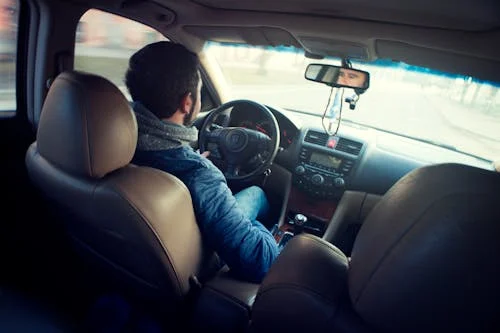
Free Man Wearing Blue Jacket Sitting Inside Car While Driving Stock Photo

In this post, you will learn more about the signs that addicted drivers exhibit.

Poor coordination and motor skills

One of the ways to know that a driver is addicted is when they have poor coordination and motor skills. It would be challenging for them to drive the right way on the road because their coordination and motor skills are not in optimal performance.

They might be slow to respond to events on the road, which can cause accidents if care isn’t taken. If a pedestrian crosses the road hurriedly, an addicted driver might not see them in time to avoid hitting them in the process.

Drinking/Taking drugs while driving

Another way to know an addicted driver is when they take alcohol when driving or before they get behind the wheel. Many drivers who do this are aware of what their actions, but they cannot help it because of the overpowering effects that alcohol has on them.

The same applies to those struggling with drug addiction, if they take drugs before driving, they might be addicted.

Addictive habits in isolation

Many drivers struggling with addiction will prefer to carry out these habits in private. This means that people around them may not see them taking drugs, alcohol, or even other behavioral types of addiction.

Incoherent speech

If you happen to speak with an addicted driver, you might be able to tell from their speech. You will observe that they are finding it hard to communicate verbally even if they think otherwise.

Eventually, you may not get the point they are trying to make because of the influence of addiction.

Drivers who are addicted need to seek help from their healthcare provider so that they can become sober. Treating addiction among drivers is important to make the road safer for every user.

REASONS WHY DRIVERS SHOULD NOT DRINK AND DRIVE

Posted on by

The dangers that come along with drinking and driving are not rocket science, despite that, lots of people still engage in it. According to statistics, in just 2014, 9,967 people lost their lives in alcohol-impaired driving crashes. Below are some convincing reasons why drinking and driving is a bad idea;

  • RISK OF BEING IN AN ACCIDENT

This is one of the major disadvantages of drinking and driving, as the driver becomes impaired and does not understand anything. According to Mothers Against Drunk Driving (MADD), 27 people die per day in America due to drunk driving crashes.

  • LOSS OF JOB OR PROFESSIONAL LICENSES

No company, firm, or organization wants to be associated with a law violator as it tarnishes their image. In many professions, drinking and driving conviction is more than enough reason to terminate the employment of the individual involved.

  • PAYMENT OF OUTRAGEOUS FINES/FEES

Another reason not to drink and drive is the cost of fines and payment of repairs that come with it. Not only will you have to pay for the cost of the ticket, but you are also likely to incur fines like court fees, civil penalties, and the likes.

  • LIKELIHOOD OF A JAIL TERM

The prospect of going to jail scares lots of people, and that should be more than enough reason to stop the bad habit of drinking and driving. Furthermore, if you cause any harm- hit someone or something, jail term could be more than a night in this situation.

  • CRIMINAL RECORD

 Since your actions are being taken record of, this will not be an exception. If you are being convicted of drinking and driving, the information will be added and displayed on your criminal record.

This could have negative effects on the future most especially if it is viewed by future employers or a prospective business partner.

Does Car addiction exist?

Posted on by

To expressly answer this, it’s necessary to understand the concept of addiction. Addiction is a desire that comes from a short-term reward having perilous long-term consequences. In essence, addiction is a psychological demand for immediate excitement that causes long-term issues.

Observing the recent craze about cars, we can see the desire for them increase exponentially year after year. Brands improve on previous models, driving up sales, as people pour their savings into acquiring their “dream car”

We see young adults set goals for their first big win and include the need for a Car. Businesses exploit this weakness – human wants are insatiable.

Cars are beneficial in many ways. They guarantee faster transportation, style, and class. They also represent the status of the owner as models differ from another.

In contrast, cars expose us to health hazards and long-term effects. We are constantly being exposed to germs, dust, and air pollution. Our lives are always at stake as there’s always the danger of accidents and obesity. An increase in cars also causes decay in our cities and the rise of the suburbs.

The relatively small enjoyment compared to the health hazards fits directly into the definition of an addiction.

We are well aware of the health hazards we are constantly being exposed to yet we choose to enjoy the euphoria of owning a car. This addiction has driven many to their early graves as society has labeled owning a car the validation of success.

In this light, we can say our society is filled with addicts seeking satisfaction. Imagine the colossal damage that arises if a whole city is filled with opiate addicts. It’ll be a state of emergency for an epidemic. So also is the craze for cars. It is an epidemic of car addiction.

The Risk Of Opioid Intoxication

Posted on by

First and foremost, opioids are “a substance used to treat moderate to severe pain. Opioids are like opiates such as morphine and codeine, but are not made from opium.” In turn, opioid intoxication – and/or overdose – occurs when someone takes too much of the drug. But what many fail to realize is the numerous amount of factors that may contribute to the overdose of the individual – for each scenario and/or situation is different. For oftentimes it depends on whether or not the individual has 1) been prescribed the opioids or is 2) taking them on his/her own accord. It is through these two factors that a plethora of problems come in the form of outcomes. 

When the individual is prescribed opioids it can be done through a healthcare provider, as a part of his/her treatment. In turn, this doesn’t pose a problem unless that particular patient has already been prescribed opioids elsewhere, and has some at his/her place of residence. When this occurs it can be both dangerous – and/or threatening – to the person’s health because he/she is able to take more than the recommended amount, and/or required dosage that he/she has been prescribed.

However, not much can be done in these instances because neither health provider is aware of the other one, resulting in a double dosage. Unfortunately, this is only one example of the medical mishap that can potentially happen to an individual, which could result in an opiate intoxication and/or overdose. But opioid intoxication is more than the addict being “high” or “euphoric”. It involves the individual’s body functions shutting down – and/or being impaired – because of the drug that he/she has taken. 

Second is those who are addicted to opioids and take them in combination with other substances. This is especially dangerous if the person takes a particular opioid with a sleeping pill. Just like with any substance, abusing them with others heightens the risk of overdose. As a result, it is important that those who are struggling with opioid addiction get help early on before it’s too late. In doing so, they can ensure that neither of these outcomes take place, and/or similar ones. An addiction-free life can then present itself, as the individual begins to work his/her way down the road towards recovery, avoiding the chance of overdose – and/or death – in the process.

WHEN DOES THE LOVE FOR CARS BECOME AN ADDICTION

Posted on by

You would be surprised to hear that there is a term like car addiction and yes, it does exist.

Car addiction should not be confused with vehicle overdependence, which is basically a condition whereby an individual finds it difficult to do without a car for the purpose of commuting.

Someone who loves cars would find it hard to do without them. As a matter of fact, they do not mind stealing to get the car they love. It is very easy to spot someone who has an addiction to cars.

You will discover that they are always on the lookout for new car models. If it is within their financial capacity, they would purchase. Therefore, people like this can change their cars up to four times a year.

People who have car addiction are never satisfied, they do not like it if there are people who are using the same models as theirs, they simply want to be different.

Hence, they would try their best to ensure they stand out whenever they go out with their cars. There are a good number of features which could be responsible for a car addiction. One of them is speed.

There are some people who love fast cars; they are simply in love with the speed, and they would do anything to get a car which provides such speed.

People like this might not necessarily change cars frequently, because there are not too many fast cars around, when compared to the average top speed of most conventional cars.

Another feature is beauty. There are some people who are so taken in by the beauty of a car, and when they see another which has a better beauty, they would go for it instead.

People who love beautiful cars would not find it pleasing if they go for an outing, and they discover there are other cars which look more beautiful than theirs.

There is a thin line between loving well-crafted cars, and being addicted to them, and crossing this line is detrimental particularly to the mental health of an individual.

1 6 7 8 9