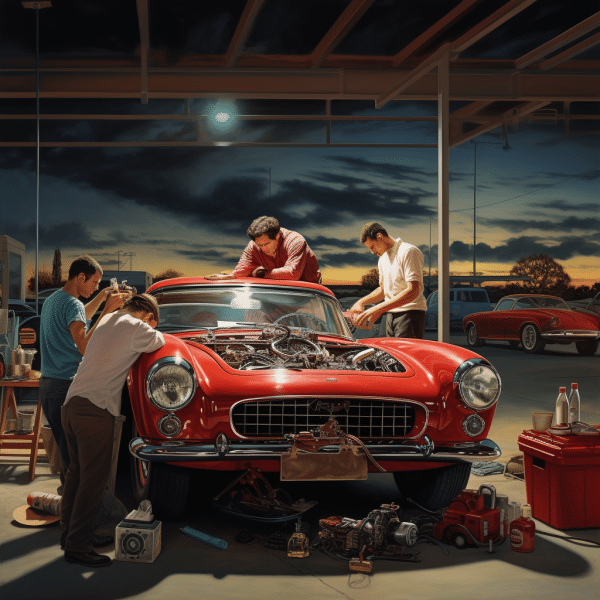
For many car enthusiasts, a vehicle is much more than a machine. Cars can represent freedom, creativity, accomplishment, independence, and connection with others. Restoring a classic, attending a car show, joining a club, or working on a weekend project can bring genuine satisfaction and purpose. For someone in addiction recovery, these interests can also become healthy ways to spend time and develop new routines. However, even a positive passion needs perspective. When working on cars becomes a way to avoid difficult emotions, neglect responsibilities, or replace important recovery activities, it may begin affecting mental health and long term wellness. Protecting recovery does not mean giving up the things you love. It means learning how to enjoy them while maintaining emotional balance, healthy relationships, and meaningful progress.
Why Healthy Hobbies Matter in Addiction Recovery
Recovery involves more than stopping substance use. It also involves creating a life that feels meaningful enough to protect. Healthy hobbies can play an important role in that process.
For car enthusiasts, automotive interests can provide structure and motivation. A project gives you something to work toward. Learning how an engine works can build confidence. Finishing a repair can provide a tangible sense of accomplishment. Attending a car event can create opportunities to meet people with similar interests.
These benefits can support mental health when automotive activities are part of a balanced lifestyle.
Cars Can Provide a Sense of Purpose
Addiction can consume significant amounts of time and attention. During early recovery, an empty schedule may feel uncomfortable or even overwhelming.
A healthy automotive project can provide structure. Setting realistic goals, learning new skills, and completing manageable tasks can help replace unproductive routines with constructive activities.
Car Communities Can Reduce Isolation
Isolation can make emotional struggles more difficult. Positive social connections, on the other hand, can provide encouragement and accountability.
Car clubs, community events, restoration groups, and informal gatherings can help people develop friendships around a shared interest. For someone in recovery, those connections can be valuable, especially when they complement other supportive relationships.
When Car Passion Starts Affecting Mental Health
Enjoying cars is not inherently problematic. The concern is how the hobby affects the rest of your life.
A healthy passion generally leaves room for work, family, relationships, physical health, treatment, and recovery responsibilities. An unhealthy pattern may begin when the hobby becomes the main way a person manages uncomfortable emotions.
Watch for Emotional Avoidance
Ask yourself what happens when you experience stress, sadness, anxiety, anger, or disappointment.
Do you work on your car because you genuinely enjoy the activity, or because you do not want to think about what you are feeling?
There is nothing wrong with taking a break through a favorite hobby. However, consistently using the garage, car shows, or automotive projects to avoid emotional issues can prevent meaningful healing.
Pay Attention to Neglected Responsibilities
Balance becomes more difficult when automotive interests begin interfering with everyday life.
Warning signs can include:
- Missing therapy or recovery commitments to work on a vehicle
- Spending money on car projects despite financial responsibilities
- Frequently canceling plans with family or friends
- Losing sleep because of automotive projects
- Becoming unusually irritable when unable to work on a car
- Thinking about vehicles so frequently that other responsibilities receive less attention
One sign does not automatically mean there is a serious problem. However, repeated patterns deserve honest reflection.
The Connection Between Mental Health and Addiction Recovery
Mental health and addiction recovery are closely connected. Anxiety, depression, trauma, chronic stress, and other emotional challenges can influence substance use. At the same time, substance use can make emotional difficulties harder to manage.
That is why comprehensive addiction treatment should address more than the substance itself.
Healthy Coping Requires More Than One Outlet
A strong recovery plan includes several ways to manage stress and difficult emotions. An automotive hobby can be one healthy outlet, but it should not carry the entire responsibility for emotional wellness.
Other helpful strategies may include:
- Individual therapy
- Group support
- Exercise and physical activity
- Mindfulness and relaxation techniques
- Time with supportive family members
- Healthy friendships
- Spiritual or faith based practices
- Creative activities
- Consistent sleep and nutrition habits
The more healthy coping tools you develop, the less pressure you place on any single activity.
How Car Enthusiasts Can Maintain Healthy Boundaries
Protecting your recovery does not require abandoning your automotive interests. Instead, establish boundaries that allow your passion to remain enjoyable.
Create a Realistic Schedule
Set aside specific times for automotive projects. Scheduling your hobby around treatment, work, family, exercise, and other commitments can help prevent it from taking over your routine.
A schedule also makes it easier to recognize when the hobby is expanding beyond reasonable limits.
Set Financial Limits
Car projects can become expensive quickly. Parts, tools, repairs, upgrades, and accessories can create financial stress if spending is not monitored.
Create a realistic hobby budget and stick to it. Financial stability is an important part of long term recovery, so an automotive project should not undermine your ability to meet essential responsibilities.
Make Room for Relationships
Invite supportive people into your automotive interests when appropriate. Work on projects with a trusted friend or attend events with family members.
At the same time, maintain relationships outside the car community. A balanced support network gives you more opportunities to talk, connect, and receive encouragement.
Use Your Passion as a Recovery Strength
Instead of viewing your automotive interest as something that needs to be controlled completely, consider how it can support your recovery goals.
Turn Projects Into Healthy Goals
Recovery is built through small, consistent steps. The same principle applies to automotive projects.
Break a large project into manageable goals. Celebrate progress instead of demanding perfection. This approach can reinforce patience and persistence, two qualities that are valuable throughout recovery.
Practice Mindful Enjoyment
When working on a car, pay attention to the experience. Notice what you are learning and how you feel.
If the activity brings satisfaction, creativity, and relaxation, enjoy it. If you notice that you are using it primarily to escape emotional pain, consider taking a pause and exploring what is happening beneath the surface.
How Individualized Treatment Can Support Recovery
Every person’s recovery journey is different. The reasons behind addiction, emotional struggles, and unhealthy coping patterns vary from one individual to another.
Comprehensive treatment can help clients understand those underlying factors while developing healthier ways to manage stress and emotions.
Inpatient and Outpatient Care
Inpatient treatment can provide a structured environment for individuals who need intensive support and stability during recovery. Outpatient treatment can provide ongoing professional care while allowing individuals to continue managing important responsibilities in their daily lives.
The appropriate level of care depends on individual needs and circumstances.
Holistic and Faith Based Approaches
Recovery involves the whole person. Emotional health, physical wellness, relationships, personal values, and spirituality can all influence the healing process.
A holistic and faith based approach can help individuals explore these areas while developing a stronger foundation for lasting wellness. For people who draw strength from faith, spiritual practices can also provide hope, purpose, and encouragement during difficult stages of recovery.
Know When It Is Time to Ask for Help
Self awareness is one of the most valuable skills in recovery. If you notice that your car obsession is interfering with treatment, relationships, finances, responsibilities, or emotional health, do not dismiss those changes.
You do not have to wait for a crisis before seeking support.
Talking with a qualified mental health or addiction professional can help you understand whether your automotive passion is functioning as a healthy interest or becoming a form of emotional avoidance. Professional guidance can also help you identify practical changes that protect your recovery without forcing you to give up meaningful activities.
Conclusion: Keep the Passion, Protect the Journey
Cars can bring excitement, creativity, friendship, and purpose into your life. For someone in addiction recovery, a healthy automotive hobby can become part of a rewarding new routine. The key is perspective.
Your passion should add to your life, not replace the people, responsibilities, treatment, and emotional work that support your well being. By setting boundaries, maintaining healthy relationships, monitoring your spending, and developing several coping strategies, you can continue enjoying cars while protecting your mental health and recovery journey.
If car enthusiasm has become a way to avoid emotional pain, or if addiction and mental health challenges are making it difficult to maintain balance, professional support can make a meaningful difference. Individualized addiction recovery services, mental health treatment, and appropriate inpatient or outpatient care can help you understand what is driving unhealthy patterns and develop healthier ways forward.
You do not have to choose between the things you love and the life you want to build. With the right support, you can protect your recovery, strengthen your emotional wellness, and keep your passion in perspective.