Month: April 2026

Beyond the Garage: How Car Obsession Can Affect Relationships and Emotional Health

Posted on by

For many people, cars are more than a hobby. They represent creativity, freedom, accomplishment, and identity. Working on a project car, attending automotive events, or restoring a classic vehicle can provide excitement and purpose. However, when a passion for cars begins to consume emotional energy, time, and attention, it can impact more than daily routines. It can affect relationships, emotional health, and even addiction recovery. At Winkel Pontiac GMC, we understand how important it is to maintain balance while pursuing personal interests. A healthy hobby should support wellness, not create emotional distance or interfere with healing.

Understanding the Emotional Side of Car Obsession

Hobbies often help people manage stress and feel grounded. Automotive projects, in particular, can provide focus, structure, and satisfaction. Yet when someone begins relying on cars as their primary source of comfort or escape, emotional health can suffer.

Car obsession may develop as a way to avoid anxiety, unresolved trauma, depression, or stress related to recovery. While spending time in the garage may feel productive, it can sometimes become a way to disconnect from difficult emotions instead of processing them in healthy ways.

The Difference Between Passion and Emotional Avoidance

Enjoying cars is not unhealthy on its own. The concern arises when the hobby becomes emotionally consuming or starts replacing meaningful connection and self awareness.

Signs of emotional avoidance may include:

  • Using car projects to escape stress or conflict
  • Becoming emotionally withdrawn from loved ones
  • Ignoring recovery goals or treatment responsibilities
  • Feeling dependent on automotive activities for emotional stability

Recognizing these patterns is an important step toward restoring balance and protecting emotional wellness.

How Car Obsession Can Affect Relationships

Relationships are often one of the first areas impacted when any hobby becomes overwhelming. Friends, family members, and partners may begin to feel disconnected or overlooked.

Reduced Quality Time With Loved Ones

Long hours spent in the garage or attending automotive events can reduce meaningful time with family and close friends. Over time, this may create emotional distance and communication challenges.

Increased Conflict Over Priorities

Financial strain, missed responsibilities, or emotional unavailability can lead to tension within relationships. Loved ones may struggle to understand why the hobby feels more important than connection or support.

Isolation From Support Systems

For individuals in addiction recovery, staying connected to healthy support systems is essential. Withdrawing into a hobby instead of engaging with recovery communities can increase loneliness and emotional vulnerability.

The Connection Between Emotional Health and Recovery

Mental health and addiction recovery are deeply connected. When emotional needs go unaddressed, people often seek distractions to avoid discomfort. While automotive hobbies can offer temporary relief, they are not a substitute for emotional healing.

At Winkel Pontiac GMC, we help individuals recognize when passions are supporting wellness and when they may be masking deeper struggles. Recovery is not about giving up enjoyable activities. It is about learning how to engage with them in a healthy, balanced, and intentional way.

How Holistic Recovery Supports Long Term Wellness

Our approach to addiction recovery and mental health treatment focuses on the whole person. We believe lasting wellness requires emotional awareness, connection, and individualized support.

Inpatient and Outpatient Treatment Options

We offer inpatient programs for individuals who need structured, immersive support, as well as outpatient programs that allow clients to continue daily life while receiving treatment. Both options help individuals develop healthier coping skills and stronger emotional balance.

Holistic and Faith Based Care

Healing involves more than managing symptoms. Our holistic and faith based approaches encourage emotional growth, spiritual wellness, stress management, and healthy relationship building. These tools help individuals reconnect with themselves and others in meaningful ways.

Personalized Support for Every Recovery Journey

No two people experience recovery the same way. That is why we create individualized treatment plans that reflect each client’s emotional needs, personal challenges, and lifestyle. For automotive enthusiasts, this includes helping clients maintain hobbies without compromising emotional health or relationships.

Practical Strategies for Maintaining Balance

Creating balance does not mean abandoning your passion for cars. It means making space for emotional wellness and healthy relationships alongside it.

  1. Schedule dedicated time for loved ones and recovery activities
  2. Practice emotional awareness through therapy or journaling
  3. Set financial and time boundaries around automotive projects
  4. Stay active in support groups and recovery communities
  5. Recognize when hobbies are becoming a form of emotional escape

These strategies can help preserve both personal passions and emotional connection.

Moving Forward With Healthier Connection

Cars can remain an important and fulfilling part of life without taking priority over emotional wellness or recovery. The key is learning how to engage with hobbies in a balanced and mindful way. At Winkel Pontiac GMC, we are committed to helping individuals strengthen relationships, improve mental health, and build lasting recovery through compassionate, individualized care.

If you or someone you love is struggling to balance personal passions with emotional health or addiction recovery, support is available. Reach out today to learn how our team can help you move beyond avoidance, reconnect with what matters most, and build a healthier future grounded in balance and wellness.
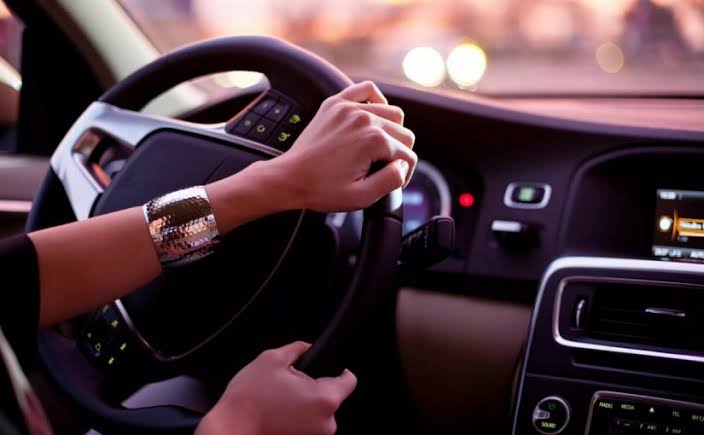

From Revved Up to Realigned: Managing Car Obsession to Support Long-Term Wellness

Posted on by

A passion for cars can be exciting, meaningful, and deeply rewarding. For many people, automotive hobbies provide structure, creativity, and a sense of identity. But when that passion becomes consuming or starts replacing emotional awareness and healthy coping, it can interfere with mental health and recovery goals. At Winkel Pontiac GMC, we understand that the goal is not to eliminate what you love. The goal is to realign it so it supports long-term wellness, stability, and healing. With the right awareness and support, car enthusiasm can become a positive force rather than a distraction from recovery.

Understanding Car Obsession in the Context of Mental Health

Hobbies are important for emotional balance. They give people something to look forward to and help reduce stress. However, when a hobby becomes the primary way to cope with anxiety, trauma, or addiction-related triggers, it can shift from healthy interest to emotional avoidance.

Car obsession may feel productive on the surface. Working on engines, planning upgrades, or attending events can create a sense of control. Yet underneath, it may be masking stress, unresolved emotions, or difficulty sitting with uncomfortable feelings. Recognizing this pattern is the first step toward healthier engagement.

When Passion Starts to Replace Emotional Processing

A key concern in mental health and addiction recovery is when external activities begin to replace internal emotional work. This may look like:

  • Using car projects to avoid stress or sadness
  • Prioritizing hobbies over therapy or recovery routines
  • Feeling uneasy when not engaged with automotive activities
  • Relying on the hobby to regulate mood

At this point, the hobby is no longer just enjoyment. It becomes a coping mechanism that may delay healing.

Signs That Car Obsession May Be Affecting Wellness

Awareness is essential in maintaining balance. While enthusiasm is healthy, certain patterns may indicate that adjustment is needed.

Difficulty Maintaining Balance in Daily Life

When automotive activities begin to interfere with responsibilities such as work, family, or recovery commitments, it may signal that priorities are becoming misaligned.

Emotional Dependence on the Hobby

If time away from cars leads to irritability, anxiety, or restlessness, the hobby may be functioning as an emotional stabilizer rather than a source of enjoyment.

Social Withdrawal

Choosing time in isolation over supportive relationships can limit connection, which is especially important in recovery and mental health treatment.

Financial or Time Imbalance

Overcommitting resources to a hobby can create stress that impacts overall stability and emotional well-being.

How Recovery Support Helps Restore Balance

At Winkel Pontiac GMC, we take a compassionate and individualized approach to addiction recovery and mental health treatment. We understand that passions like cars are meaningful, and we help clients find ways to engage with them without losing emotional balance.

Inpatient and Outpatient Care

Inpatient programs offer structured, immersive support for individuals who need focused care and stabilization. Outpatient programs provide flexibility, allowing individuals to continue daily life while receiving ongoing therapeutic guidance. Both approaches help clients build healthier coping strategies and maintain long-term progress.

Holistic and Faith Based Healing Approaches

Recovery is most effective when it addresses the whole person. Our holistic and faith based care options support emotional, physical, and spiritual wellness. These approaches help individuals develop healthier ways to manage stress and reconnect with purpose beyond compulsive habits or avoidance behaviors.

Individualized Treatment Planning

Every recovery journey is different. That is why we create personalized treatment plans that reflect each client’s needs, challenges, and interests. For car enthusiasts, this may include learning how to enjoy automotive hobbies in a structured, mindful, and emotionally balanced way.

Practical Ways to Stay Realigned While Enjoying Cars

Maintaining balance does not mean giving up your passion. It means engaging with it in a healthier way.

  1. Set intentional boundaries around time spent on automotive activities
  2. Check in with your emotions before and after engaging in your hobby
  3. Maintain consistent recovery routines including therapy and support groups
  4. Stay socially connected to family, friends, and recovery communities
  5. Recognize avoidance patterns and redirect toward healthy coping strategies

These steps help ensure that your passion supports your well-being instead of replacing it.

Moving Forward With Clarity and Purpose

Car enthusiasm can absolutely be part of a healthy and fulfilling life. The key is learning how to enjoy it without letting it become a form of emotional avoidance. When passion is guided by awareness and balance, it can enhance recovery rather than interfere with it.

At Winkel Pontiac GMC, we are committed to helping individuals build lives rooted in stability, emotional wellness, and long-term recovery. If you or someone you love is struggling to balance hobbies with mental health or addiction recovery, support is available.

Reach out today to learn how our compassionate, individualized care can help you move from feeling revved up and overwhelmed to fully realigned and grounded in long-term wellness.

Fueling Fun Without Risk: How Car Enthusiasts Can Stay Mindful in Recovery

Posted on by

For many people, cars represent more than a hobby. They represent freedom, identity, focus, and accomplishment. Whether it is restoring a classic engine, attending car meets, or fine tuning performance upgrades, automotive passion can bring real joy and structure to daily life. However, for individuals in addiction recovery or managing mental health challenges, even healthy passions need balance. At Winkel Pontiac GMC, we understand that recovery is not about giving up what you love. It is about learning how to enjoy it in a way that supports emotional wellness, stability, and long term healing.

Understanding Mindfulness in Recovery

Mindfulness in recovery means being fully aware of your thoughts, emotions, and behaviors in the present moment without using hobbies or distractions to avoid what you are feeling. For car enthusiasts, this means enjoying automotive passion without allowing it to become a coping mechanism for stress, anxiety, depression, or cravings.

Hobbies like working on cars can be incredibly grounding. They offer structure and focus. However, when used to escape emotional discomfort, they can unintentionally interfere with recovery progress. Learning to recognize this difference is an important step toward sustainable wellness.

Why Car Enthusiasm Can Be Both Helpful and Harmful

Car culture often brings strong emotional engagement. This can be positive when balanced. It becomes concerning when:

  • It replaces healthy coping strategies
  • It interferes with therapy or treatment goals
  • It becomes the only source of stress relief
  • It leads to isolation from support systems

At Winkel Pontiac GMC, we encourage clients to stay connected to their interests while also building emotional awareness and resilience.

Signs You May Be Losing Balance With a Hobby

Even positive hobbies can become overwhelming when emotional health is not in balance. Recognizing early signs can help prevent setbacks in recovery.

Emotional Overdependence on Automotive Activities

If you find yourself needing car related tasks to feel calm or stable, it may be a sign that the hobby is being used as an emotional escape rather than enjoyment.

Avoiding Recovery Responsibilities

Skipping counseling sessions, support meetings, or self care routines in favor of spending time in the garage or at events can disrupt progress.

Increased Isolation

Choosing automotive activities over relationships or support networks can lead to emotional disconnection, which is especially risky in recovery.

Financial or Time Imbalance

Overcommitting resources to cars while neglecting essential needs may create unnecessary stress and instability.

How Recovery Support Helps Create Healthy Balance

At Winkel Pontiac GMC, our approach to addiction recovery and mental health treatment is compassionate, structured, and individualized. We help clients integrate their passions into a healthy lifestyle instead of removing them entirely.

Inpatient and Outpatient Care Options

Our inpatient programs provide structured, supportive environments for individuals who need focused care. Outpatient programs allow clients to continue daily life while receiving ongoing therapeutic support. Both approaches help individuals stay grounded while learning how to manage hobbies responsibly.

Holistic and Faith Based Support

Recovery is most effective when it supports the whole person. Our holistic and faith based approaches encourage emotional healing, spiritual growth, and healthy coping strategies. These tools help individuals stay connected to purpose beyond compulsive behaviors or avoidance patterns.

Individualized Treatment Planning

No two recovery journeys are the same. That is why we create personalized treatment plans that reflect each client’s emotional needs, lifestyle, and interests. For car enthusiasts, this may include structured guidance on how to enjoy automotive hobbies in a balanced and mindful way.

Practical Ways to Enjoy Cars Without Risk

Here are practical strategies to help maintain balance while staying engaged in automotive passion:

  1. Set intentional limits on time spent in the garage or at events
  2. Check in emotionally before and after engaging in your hobby
  3. Stay connected to support systems including family, friends, and recovery groups
  4. Balance hobbies with wellness routines such as exercise, therapy, and rest
  5. Recognize emotional triggers that may lead to over engagement

These strategies help ensure that your passion remains a source of joy rather than a form of avoidance.

Moving Forward With Awareness and Balance

Recovery is not about removing the things you enjoy. It is about learning how to engage with them in a healthy and intentional way. Car enthusiasm can absolutely remain a positive part of life when it is grounded in awareness, balance, and emotional support.

At Winkel Pontiac GMC, we are committed to helping individuals build fulfilling lives that include both personal passions and long term recovery success. If you or someone you love is struggling to balance hobbies with emotional wellness or addiction recovery, support is available.

Reach out today to learn how our compassionate team can help you stay grounded, stay connected, and move forward with confidence on your recovery journey.

The Road to Awareness: Recognizing When a Car Obsession Masks Emotional Struggles

Posted on by

For many individuals, cars represent more than transportation. They symbolize freedom, creativity, and personal identity. Working on engines, attending car meets, or investing in vehicle upgrades can bring a sense of pride and accomplishment. However, when this passion becomes overwhelming or begins to replace emotional awareness, it may be masking deeper mental health challenges. At Winkel Pontiac GMC, we understand how easily a meaningful hobby can shift into an unhealthy coping mechanism. Recognizing this shift is a powerful first step toward healing, balance, and lasting recovery.

Understanding the Link Between Obsession and Emotional Avoidance

Hobbies are an important part of a healthy lifestyle. They provide stress relief, structure, and enjoyment. However, when a hobby becomes the primary way to avoid uncomfortable emotions, it can prevent true healing. Car obsession, in particular, may offer an escape from anxiety, depression, trauma, or the challenges of addiction recovery. While it may provide temporary relief, it often delays the deeper work needed for emotional wellness.

Over time, this pattern can create a cycle where individuals rely more heavily on their hobby while becoming less connected to their thoughts, feelings, and relationships. Awareness of this dynamic allows individuals to shift from avoidance to intentional healing.

Signs That Car Obsession May Be Masking Emotional Struggles

Recognizing the signs of emotional avoidance is essential for maintaining both mental health and recovery progress. Consider the following indicators:

Avoiding Difficult Emotions

If time spent on cars increases whenever stress, anxiety, or sadness arises, the hobby may be functioning as a form of escape rather than enjoyment.

Neglecting Personal Responsibilities

Missing work, skipping therapy sessions, or withdrawing from family commitments to focus on car-related activities can signal imbalance.

Emotional Dependence on the Hobby

Feeling restless, irritable, or overwhelmed when unable to engage in automotive activities may indicate reliance on the hobby for emotional regulation.

Social Isolation

Choosing solitary time in the garage over meaningful interaction with friends, family, or support groups can lead to increased loneliness and disconnection.

How Comprehensive Care Supports Awareness and Recovery

At Winkel Pontiac GMC, we take a compassionate, client-centered approach to addiction recovery and mental health treatment. Our goal is not to eliminate passions but to help individuals engage with them in ways that support healing and long-term wellness.

Inpatient and Outpatient Treatment Options

Inpatient programs provide structured, immersive care for individuals who need focused support. Outpatient programs allow clients to continue their daily routines while receiving guidance and accountability. Both options are designed to help individuals build awareness, develop coping skills, and maintain balance.

Holistic and Faith-Based Approaches

Healing involves more than addressing symptoms. Our holistic approach supports the mind, body, and spirit through practices such as mindfulness, stress management, and spiritual guidance. Faith-based care offers an additional layer of purpose, connection, and encouragement for those seeking it.

Individualized Care Plans

Every recovery journey is unique. Our team creates personalized treatment plans that address emotional triggers, behavioral patterns, and lifestyle factors. For car enthusiasts, this includes helping clients integrate their passion in a way that enhances, rather than replaces, emotional growth.

Practical Steps Toward Healthy Balance

  1. Pause and Reflect: Take time to identify why you are engaging in your hobby. Ask yourself if it brings joy or helps you avoid certain emotions.
  2. Set Healthy Boundaries: Limit time and financial investment in automotive activities to ensure other priorities are not neglected.
  3. Stay Connected: Maintain regular contact with supportive friends, family, and recovery groups.
  4. Use Professional Support: Therapy and structured programs provide tools to process emotions and build healthier coping strategies.

Moving Forward With Clarity and Purpose

Awareness is the foundation of meaningful change. When individuals recognize that a car obsession may be masking emotional struggles, they open the door to deeper healing and personal growth. At Winkel Pontiac GMC, we are committed to helping clients build that awareness and develop balanced, fulfilling lives that support both their passions and their recovery goals.

If you or a loved one are concerned that a hobby may be interfering with mental health or addiction recovery, you are not alone. Our compassionate team is here to help you rediscover balance, strengthen emotional wellness, and move forward with confidence. Reach out to Winkel Pontiac GMC today to take the next step on your journey toward healing and lasting recovery.