Month: March 2026

When Car Passion Turns to Pressure: Balancing Automotive Hobbies With Mental Health

Posted on by

Cars are more than vehicles for many people—they are a source of passion, creativity, and personal expression. From restoring classic cars to customizing performance models, automotive hobbies can provide joy, purpose, and a sense of accomplishment. However, when a love for cars begins to create stress, interfere with responsibilities, or distract from emotional wellness, it can impact mental health and recovery goals. At Winkel Pontiac GMC, we understand the fine line between healthy engagement and pressure, and we help clients find balance while nurturing both their hobbies and their well-being.

Understanding the Connection Between Hobbies and Mental Health

Hobbies play an essential role in emotional wellness. They provide structure, relieve stress, and offer a sense of mastery. Yet, when a hobby becomes all-consuming, it can unintentionally act as a coping mechanism for unresolved stress, anxiety, or past addictive behaviors. For individuals in recovery, automotive passion can sometimes mask underlying emotional struggles instead of supporting growth. Awareness of this dynamic is crucial for maintaining mental health while enjoying personal interests.

Signs Your Car Hobby May Be Creating Pressure

Recognizing when enthusiasm begins to interfere with mental health or recovery is the first step toward balance. Key indicators include:

Excessive Time Commitment

Spending long hours focused solely on car projects at the expense of work, therapy, or personal relationships may indicate imbalance.

Emotional Dependence

Feeling anxious, irritable, or restless when unable to engage with automotive activities can suggest reliance on the hobby to manage emotions.

Financial Strain

Overspending on cars, parts, or tools beyond personal means can create stress and complicate recovery efforts.

Social Withdrawal

Choosing solitary automotive pursuits over maintaining social connections or attending support groups can exacerbate feelings of isolation.

Professional Support for Healthy Balance

At Winkel Pontiac GMC, we provide a holistic approach to addiction recovery and mental health that helps clients maintain hobbies in a balanced, supportive way. Our programs integrate emotional wellness, structured care, and individualized strategies to ensure passions like automotive hobbies enhance rather than hinder recovery.

Inpatient and Outpatient Programs

Inpatient programs provide intensive, structured support for individuals who need close guidance. Outpatient programs allow clients to apply recovery tools and coping strategies in daily life while maintaining flexibility. Both options emphasize accountability, emotional growth, and healthy engagement with hobbies.

Holistic and Faith-Based Approaches

Holistic treatment addresses mind, body, and spirit. Faith-based guidance and community support help clients find purpose and strengthen resilience. These approaches enable individuals to enjoy their passions while staying grounded in recovery principles.

Individualized Care Plans

Every client’s journey is unique. Winkel Pontiac GMC develops personalized care plans that consider emotional triggers, lifestyle factors, and behavioral patterns. For automotive enthusiasts, hobbies can be incorporated as positive outlets that motivate, inspire, and provide structure without compromising recovery.

Practical Strategies for Balancing Passion and Wellness

  1. Set Clear Limits: Allocate time and financial resources carefully to prevent hobbies from overshadowing responsibilities.
  2. Diversify Interests: Explore other social, recreational, or physical activities to maintain a balanced life.
  3. Monitor Emotional Triggers: Journaling, therapy, or support groups can help identify when hobbies are being used to avoid difficult emotions.
  4. Seek Professional Guidance: Addiction recovery and mental health professionals can provide tools to enjoy hobbies in a safe, structured manner.

Moving Forward With Balance and Fulfillment

A love for cars can remain a rewarding and motivating part of life when approached thoughtfully. At Winkel Pontiac GMC, our compassionate team helps clients maintain balance, strengthen mental wellness, and integrate hobbies in ways that support recovery goals.

If you or a loved one are concerned that car passion may be creating pressure or affecting mental health, support is available. Contact Winkel Pontiac GMC today to learn how individualized, holistic care can help you enjoy your hobbies safely while prioritizing long-term wellness and recovery success.

Finding Balance Behind the Wheel: Healthy Ways to Enjoy Cars Without Compromising Recovery

Posted on by

Cars are more than transportation—they are a source of passion, creativity, and enjoyment for countless individuals. Collecting, restoring, or customizing vehicles can bring a sense of accomplishment and purpose. However, when a love for cars starts to dominate time, finances, or emotional focus, it can interfere with mental health and recovery goals. At Winkel Pontiac GMC, we understand the importance of maintaining balance. By approaching hobbies thoughtfully, individuals in recovery can continue to enjoy automotive pursuits while prioritizing wellness and long-term stability.

Understanding Healthy Engagement With Hobbies

Hobbies play an important role in supporting mental health. They provide relaxation, structure, and a sense of personal achievement. Yet, when a passion becomes a coping mechanism for stress, anxiety, or past addictive behaviors, it can unintentionally hinder progress. Recognizing the difference between healthy engagement and avoidance strategies is essential for sustaining recovery and emotional well-being.

Warning Signs That Car Enthusiasm May Be Impacting Recovery

Being aware of potential warning signs can help individuals maintain a balanced approach to automotive hobbies:

Overcommitment of Time

Spending most of the day on car-related activities at the expense of therapy, work, or personal responsibilities may indicate imbalance.

Emotional Dependence

Feeling anxious, irritable, or restless when unable to engage in automotive pursuits suggests reliance on the hobby to manage emotions.

Financial Strain

Overspending on parts, tools, or vehicles can create unnecessary stress and interfere with recovery priorities.

Social Withdrawal

Choosing solitary automotive activities over connecting with friends, family, or support networks can increase feelings of isolation and reduce emotional support.

Supporting Recovery While Maintaining Passion

At Winkel Pontiac GMC, our programs combine addiction recovery, mental health treatment, and holistic care to help clients maintain personal passions in a healthy, structured way. We emphasize strategies that support emotional growth, accountability, and long-term wellness.

Inpatient and Outpatient Programs

Structured inpatient care provides intensive guidance for those who need close support, while outpatient programs allow clients to apply recovery skills in their daily lives. Both formats provide tools for balancing hobbies with personal responsibilities and recovery goals.

Holistic and Faith-Based Approaches

Holistic care addresses emotional, physical, and spiritual health. Faith-based support offers guidance, community, and purpose, helping individuals integrate hobbies like automotive interests in ways that strengthen recovery and overall well-being.

Individualized Care Plans

Each client’s journey is unique. Winkel Pontiac GMC develops personalized care plans that consider emotional triggers, behavioral patterns, and lifestyle factors. Automotive hobbies can be incorporated as constructive outlets that promote motivation and enjoyment while maintaining focus on recovery.

Practical Tips for Enjoying Cars Safely in Recovery

  1. Set Clear Limits: Define time and financial boundaries to prevent hobbies from overshadowing recovery priorities.
  2. Diversify Interests: Engage in additional social or recreational activities to foster connection and personal growth.
  3. Monitor Emotional Triggers: Use therapy, journaling, or support groups to track when hobbies may be used to avoid feelings.
  4. Seek Professional Support: Mental health and recovery professionals provide guidance to transform passion into a positive, balanced outlet.

Moving Forward With Balance and Fulfillment

Enjoying cars does not need to conflict with recovery goals. When approached with self-awareness and support, automotive hobbies can provide motivation, social engagement, and fulfillment. At Winkel Pontiac GMC, our compassionate team helps clients maintain balance, strengthen emotional wellness, and integrate hobbies safely into their recovery journey.

If you or a loved one are concerned about balancing passion for cars with mental health and recovery, professional guidance is available. Contact Winkel Pontiac GMC today to learn how individualized, holistic programs can help you enjoy your hobbies while maintaining long-term wellness and recovery success.
Fixing Engines or Fixing Feelings? Recognizing When Car Passion Starts to Affect Recovery Goals

Posted on by

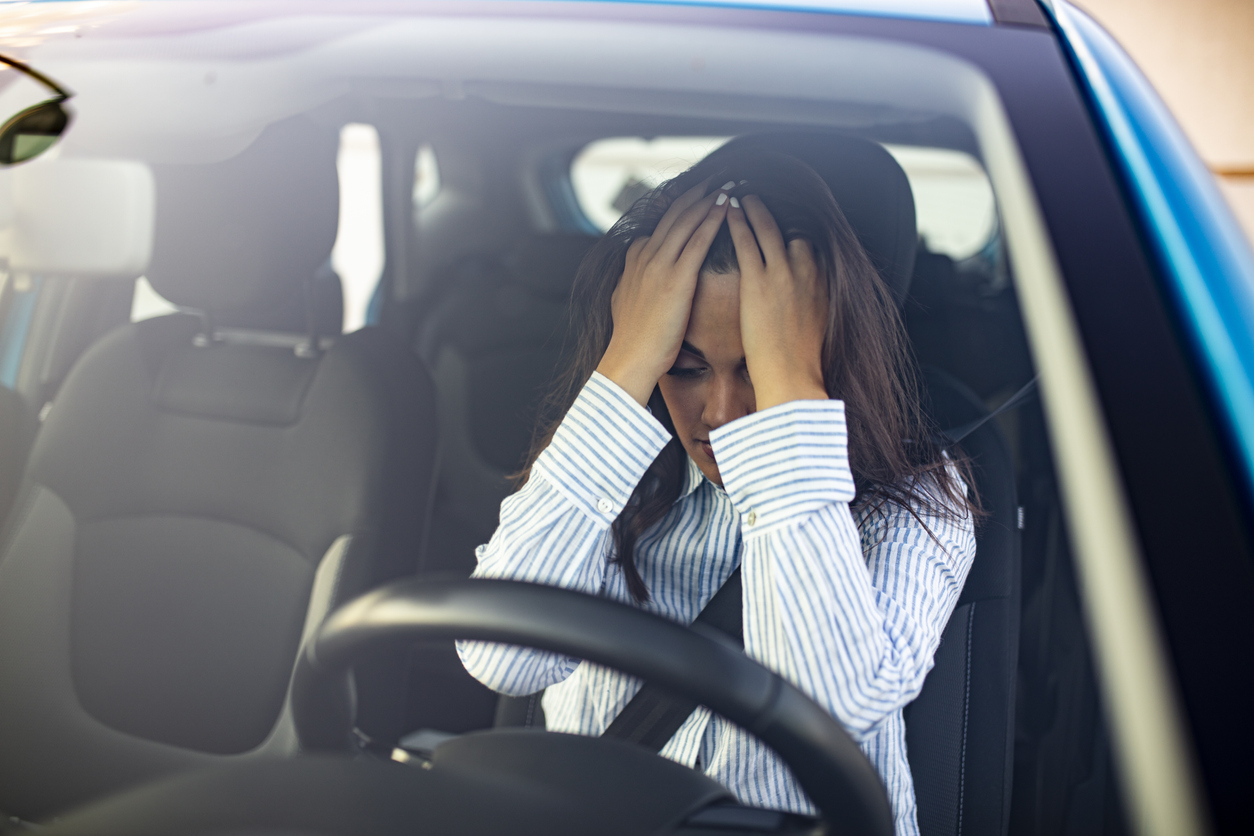
For many people, cars are more than machines. They are a source of pride, creativity, and personal expression. Restoring a classic car, upgrading performance parts, or customizing a vehicle can provide joy, focus, and purpose. But for some individuals in recovery, an intense focus on cars can start to interfere with mental health, daily responsibilities, or long-term recovery goals. At Winkel Pontiac GMC, we understand that hobbies can support wellness—but they can also mask emotional struggles or become avoidance strategies. Recognizing the signs is a critical step toward maintaining balance and achieving meaningful recovery.

When Passion Becomes a Coping Mechanism

Hobbies can help manage stress, provide structure, and offer a sense of accomplishment. However, when a passion is used primarily to escape difficult emotions or avoid triggers related to addiction, it may hinder progress. Over time, excessive attention to car-related activities can reduce the time and energy available for therapy, self-care, and relationships, ultimately affecting recovery outcomes. Awareness of this dynamic allows individuals to enjoy their hobby while staying aligned with their wellness goals.

Signs Your Car Hobby May Be Affecting Recovery

Identifying when a hobby crosses the line from healthy passion to potential obstacle is essential. Common signs include:

Neglecting Responsibilities

Prioritizing car projects over work, school, family obligations, or therapy sessions can indicate imbalance and impact long-term recovery.

Emotional Dependence

Feeling anxious, restless, or irritable when unable to engage in automotive activities may suggest reliance on the hobby for emotional regulation.

Financial Stress

Spending beyond one’s means to maintain or expand a car collection can create financial strain and heighten stress levels.

Isolation from Support Networks

Choosing solitary car activities over connecting with friends, family, or support groups may intensify feelings of loneliness and disrupt recovery.

Professional Support for Healthy Balance

At Winkel Pontiac GMC, we provide comprehensive support that integrates addiction recovery, mental health treatment, and holistic care. Our programs are designed to help clients maintain passions like automotive hobbies while addressing emotional challenges and achieving recovery goals.

Inpatient and Outpatient Programs

Structured inpatient programs provide intensive support for individuals needing close supervision, while outpatient care allows clients to practice coping strategies and maintain daily routines. Both approaches emphasize accountability, emotional growth, and structured engagement with hobbies.

Holistic and Faith-Based Care

Holistic treatment considers the mind, body, and spirit, incorporating mindfulness, stress management, and faith-based guidance. These practices strengthen resilience, provide community support, and allow clients to integrate hobbies in ways that enhance recovery rather than distract from it.

Personalized Care Plans

Every recovery journey is unique. Winkel Pontiac GMC develops individualized care plans that address emotional triggers, behavioral patterns, and lifestyle factors. For automotive enthusiasts, hobbies can be thoughtfully incorporated into treatment as positive, motivating outlets.

Strategies for Maintaining Healthy Engagement With Hobbies

  1. Set Clear Boundaries: Establish limits on time and spending to prevent hobbies from interfering with recovery routines.
  2. Diversify Activities: Explore other hobbies, social engagements, or physical activities to reduce reliance on a single outlet.
  3. Reflect on Emotional Triggers: Journaling, therapy, or support groups can help recognize when hobbies are used to avoid feelings.
  4. Seek Professional Guidance: Mental health and addiction specialists provide tools to redirect passion into healthy, balanced engagement.

Moving Forward With Awareness and Balance

A love for cars can remain a fulfilling and enriching part of life when approached with intention and self-awareness. At Winkel Pontiac GMC, our compassionate team helps clients identify unhealthy patterns, establish boundaries, and integrate personal passions in ways that support long-term recovery.

If you or a loved one notice that a car hobby may be interfering with recovery or emotional wellness, professional support is available. Contact Winkel Pontiac GMC today to learn how individualized, holistic programs can help you maintain balance, strengthen mental health, and achieve meaningful recovery.

High Performance or Hidden Pain? Understanding the Link Between Car Obsession and Mental Health

Posted on by

For many, cars are more than machines. They represent freedom, excitement, and personal expression. Customizing, collecting, or racing vehicles can provide fulfillment and a sense of accomplishment. Yet, when a passion for cars becomes all-consuming, it may conceal deeper emotional or mental health struggles. At Winkel Pontiac GMC, we understand how hobbies can both enhance life and serve as avoidance mechanisms. Recognizing the connection between car obsession and mental health is essential for fostering balance, promoting recovery, and sustaining long-term wellness.

When Passion Masks Emotional Challenges

Hobbies often help people manage stress, provide structure, and bring enjoyment. However, when car enthusiasm is used primarily to escape uncomfortable feelings, it can signal underlying emotional challenges. Obsessive focus on automotive interests may temporarily distract from anxiety, depression, or unresolved trauma, but it does not address the root causes of distress. Understanding this distinction is critical to maintaining mental wellness and supporting addiction recovery.

Warning Signs That Car Obsession May Be Harmful

Identifying when a hobby becomes harmful can prevent negative impacts on relationships, finances, and overall mental health. Some common indicators include:

Overwhelming Time Commitment

Spending excessive hours on car-related activities while neglecting work, school, or family responsibilities may suggest imbalance.

Emotional Dependence

Experiencing anxiety, irritability, or restlessness when not engaged with cars can indicate reliance on the hobby for emotional regulation.

Financial Pressure

Overspending on projects or parts to maintain or expand collections can create stress and strain relationships.

Social Isolation

Choosing solitary automotive activities over connecting with friends, family, or support groups can exacerbate loneliness and hinder recovery.

How Professional Support Enhances Balance and Recovery

At Winkel Pontiac GMC, we offer a compassionate, holistic approach that integrates addiction recovery, mental health treatment, and individualized care. Our programs aim to help clients maintain passions like automotive hobbies while addressing emotional challenges and fostering healthy coping strategies.

Inpatient and Outpatient Care

Structured inpatient programs provide intensive support for those needing close supervision, while outpatient programs allow individuals to practice recovery strategies in daily life. Both approaches focus on accountability, emotional growth, and structured engagement with hobbies.

Holistic and Faith-Based Approaches

Holistic care addresses the mind, body, and spirit. Mindfulness, stress management, and faith-based guidance provide purpose, resilience, and community support. These approaches help clients integrate personal passions in ways that enhance well-being rather than serve as avoidance mechanisms.

Personalized Care Plans

Recovery is unique for every individual. Winkel Pontiac GMC develops tailored plans to address emotional triggers, behavioral patterns, and lifestyle factors. For automotive enthusiasts, we incorporate hobbies thoughtfully to reinforce mental wellness and recovery goals.

Practical Strategies to Maintain a Healthy Relationship With Hobbies

  1. Set Boundaries: Establish time and financial limits to prevent hobbies from interfering with recovery or responsibilities.
  2. Diversify Interests: Explore additional activities or social connections to reduce overreliance on one outlet.
  3. Reflect on Emotional Triggers: Use journaling, therapy, or support groups to recognize when hobbies are used to avoid feelings.
  4. Seek Professional Guidance: Counseling and structured programs provide tools to redirect passion into positive, balanced engagement.

Moving Toward Balance and Wellness

A love for cars can remain a fulfilling part of life when approached with awareness, structure, and support. At Winkel Pontiac GMC, our compassionate team helps clients identify unhealthy patterns, build healthy coping strategies, and integrate hobbies in ways that promote emotional well-being and long-term recovery.

If you or a loved one notice that a car hobby may be masking emotional or mental health struggles, professional help is available. Contact Winkel Pontiac GMC today to learn how individualized, holistic care can support balanced living, strengthen mental wellness, and achieve sustainable recovery.