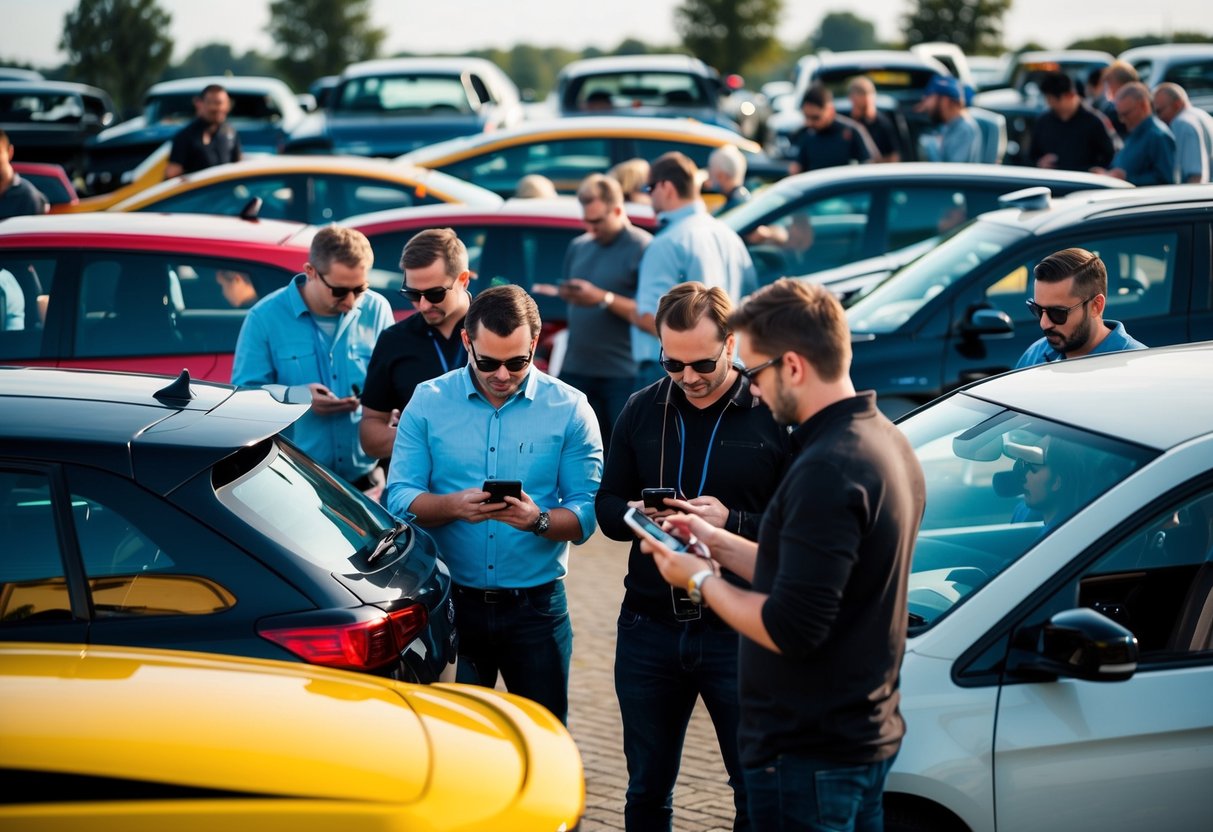
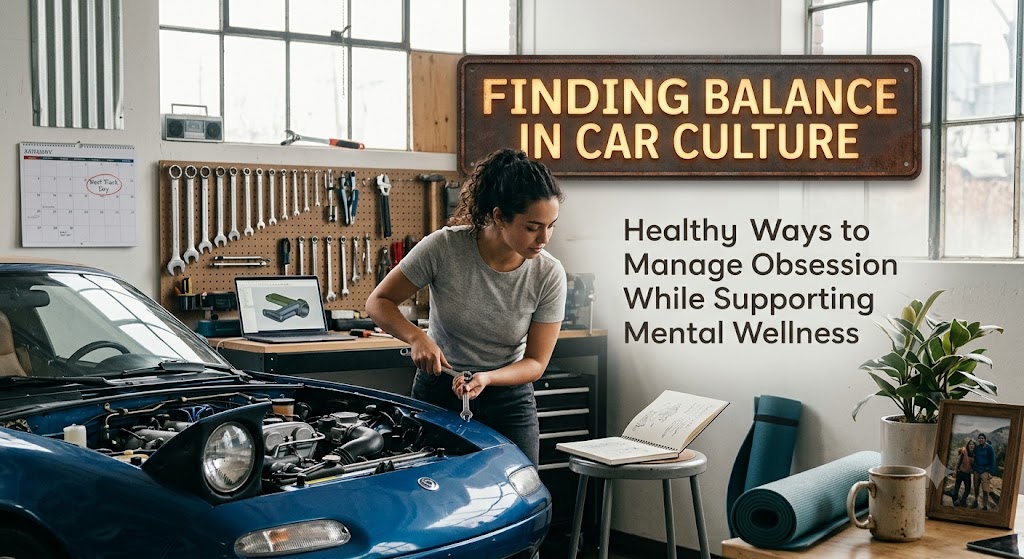
For countless people, cars represent freedom, creativity, and personal achievement. Whether you enjoy restoring vintage classics, modifying performance vehicles, or spending weekends at local car shows, automotive passions can provide purpose and excitement. These hobbies often encourage problem solving, patience, and meaningful social connections, making them valuable parts of a healthy lifestyle. However, emotional wellness requires balance. When any hobby begins replacing healthy relationships, emotional growth, or recovery efforts, it may be time to take a closer look. At Winkel Pontiac GMC, we understand that lasting recovery involves more than overcoming addiction. It means creating a fulfilling life where passions, mental health, and personal well-being work together. Through compassionate addiction recovery services, mental health treatment, inpatient and outpatient care, and holistic, faith based approaches, we help individuals build balanced lives that support long term healing.
The Positive Impact of Automotive Hobbies
Healthy hobbies are an important part of recovery and emotional wellness. They provide opportunities to discover new interests while replacing unhealthy routines with positive experiences.
For many people, working on cars offers benefits such as:
- Improved confidence through learning new skills
- Reduced stress through focused, hands on activities
- A sense of accomplishment after completing projects
- Opportunities to connect with supportive communities
- Increased motivation to maintain healthy daily routines
These experiences contribute to emotional resilience and can strengthen recovery when combined with professional support and healthy relationships.
Why Balance Is Essential
Even positive activities can become unhealthy when they begin consuming too much time, energy, or emotional attention.
Recovery is not about eliminating hobbies. Instead, it is about making sure those hobbies contribute to overall wellness rather than becoming an escape from life’s challenges.
Passion Should Enhance Life
A healthy interest in cars complements other important areas of life. People continue investing in family, friendships, work, physical health, and recovery while enjoying automotive projects during appropriate times.
Emotional Wellness Requires Variety
Relying on a single activity for emotional comfort can create dependence. Lasting emotional health comes from developing multiple ways to manage stress, disappointment, and life’s uncertainties.
Recognizing When Passion Is Becoming Unbalanced
Many people do not realize when a healthy hobby has started affecting their emotional well-being. The transition often happens gradually.
Warning Signs to Notice
Consider whether any of these situations apply:
- You regularly postpone responsibilities to work on vehicles.
- Family members express concern about the amount of time spent in the garage.
- Automotive projects become your primary response to stress or emotional discomfort.
- Recovery meetings, therapy appointments, or personal commitments are frequently missed.
- You feel anxious or frustrated when you cannot engage in your hobby.
These signs do not mean you need to abandon your passion. Instead, they suggest that greater balance may improve your overall well-being.
The Connection Between Emotional Wellness and Addiction Recovery
Mental health and addiction recovery are closely connected. Emotional challenges such as anxiety, depression, grief, trauma, and chronic stress often influence substance use, while addiction itself can intensify emotional struggles.
Successful recovery addresses both.
Learning Healthy Emotional Coping
Recovery teaches individuals to recognize emotions without becoming overwhelmed by them. Rather than escaping discomfort, clients learn practical strategies for managing life’s challenges in healthy ways.
Healthy coping may include:
- Individual counseling
- Group therapy
- Physical activity
- Prayer or spiritual reflection
- Mindfulness practices
- Family support
- Meaningful hobbies
Automotive interests become even more valuable when they are one part of a well rounded recovery plan.
Building a Life Beyond the Driver’s Seat
While cars may always remain an important passion, emotional wellness grows through experiences that extend beyond any single hobby.
Strengthen Personal Relationships
Recovery flourishes through connection. Spending quality time with family, trusted friends, mentors, and recovery communities creates lasting emotional support.
Continue Personal Growth
Learning new skills, volunteering, exploring creative interests, or pursuing educational opportunities helps build confidence while expanding your sense of identity.
Prioritize Physical and Emotional Health
Regular exercise, healthy sleep habits, balanced nutrition, and stress management all contribute to stronger mental health and greater resilience.
Practice Honest Self Reflection
Ask yourself simple questions from time to time:
- Why am I spending time on this project today?
- Am I enjoying this hobby or avoiding something difficult?
- Have I been caring for my emotional needs as well as my automotive interests?
Honest reflection helps maintain healthy priorities.
How Winkel Pontiac GMC Supports Whole Person Healing
At Winkel Pontiac GMC, we believe effective treatment addresses every aspect of recovery. Healing involves much more than stopping substance use. It includes strengthening emotional health, improving relationships, and developing lifelong coping skills.
Individualized Treatment Plans
Every person’s journey is different. Our individualized treatment plans are designed to address each client’s unique experiences, challenges, strengths, and recovery goals.
Inpatient and Outpatient Care
We offer both inpatient and outpatient treatment options to provide the level of support each individual needs. Whether someone requires structured residential care or flexible outpatient services, our team provides compassionate guidance every step of the way.
Holistic and Faith Based Approaches
Our holistic and faith based philosophy recognizes the importance of healing the mind, body, and spirit. By integrating evidence based therapies with spiritual growth, wellness practices, and individualized support, we help clients build stronger foundations for lasting recovery.
Finding Lasting Balance
Passion becomes most rewarding when it enhances life without defining it entirely. Cars can remain a meaningful source of enjoyment while relationships, emotional health, and personal growth continue to thrive.
Creating balance means making intentional choices every day. It means celebrating accomplishments in the garage while also investing in recovery, family, physical health, and emotional healing.
Conclusion
Automotive passions can inspire creativity, confidence, and lifelong friendships. They can also become valuable tools for supporting recovery when approached with balance and self awareness. True wellness comes from recognizing that life extends beyond the driver’s seat. Emotional health, meaningful relationships, and personal growth deserve the same level of care and attention as any automotive project.
At Winkel Pontiac GMC, we are committed to helping individuals achieve lasting recovery through compassionate addiction recovery services, comprehensive mental health treatment, individualized inpatient and outpatient programs, and holistic, faith based care. Our experienced team understands that every person deserves support that addresses the whole person, not just the symptoms of addiction.
If you or someone you love is struggling with addiction, mental health challenges, or finding balance between personal passions and emotional wellness, we are here to help. Contact Winkel Pontiac GMC today to learn how our personalized treatment programs can help you reclaim hope, strengthen emotional resilience, and build a healthier future.