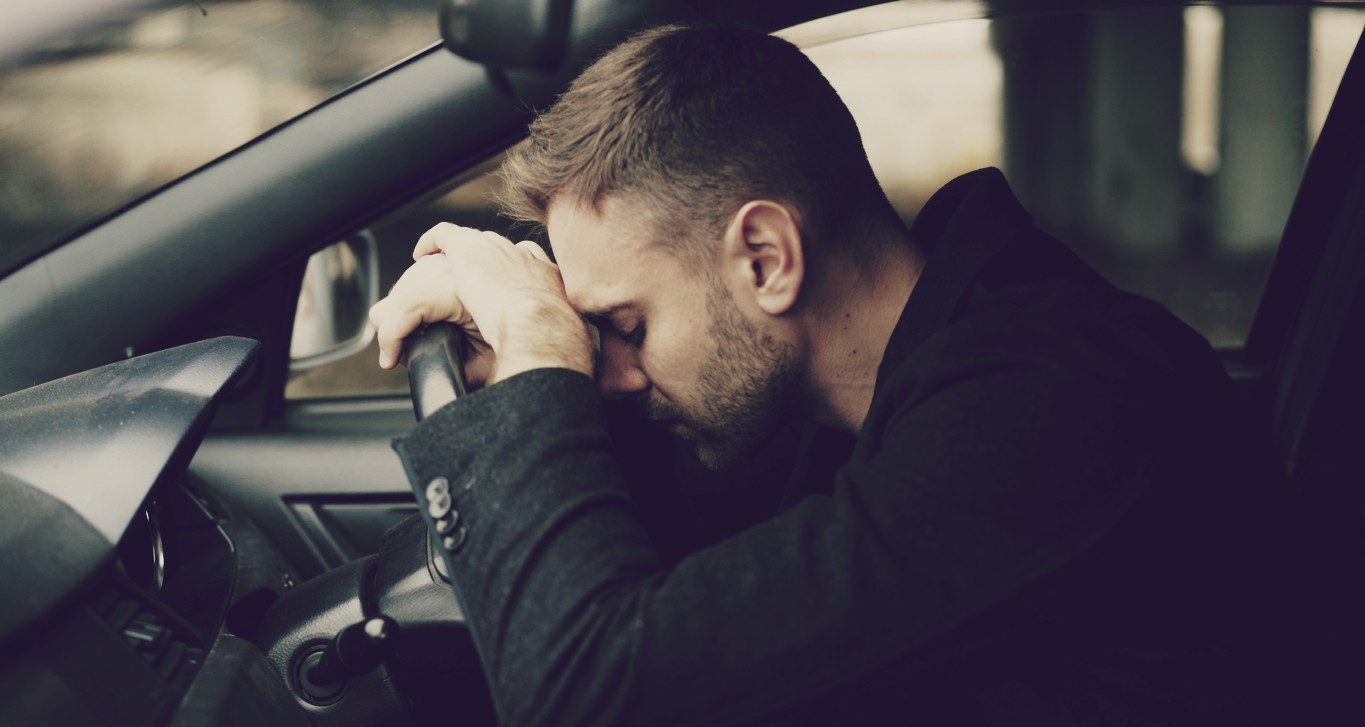
A passion for cars can be a rewarding part of a healthy lifestyle. Whether it involves restoring vintage vehicles, attending car shows, or learning the mechanics behind a high performance engine, automotive hobbies often provide creativity, relaxation, and a strong sense of accomplishment. For individuals in addiction recovery or managing mental health challenges, these interests can even become valuable sources of motivation. However, there are times when a love for cars evolves into something more complicated. When automotive passion becomes a way to avoid emotional pain, stress, or unresolved trauma, it may begin interfering with recovery and overall well-being. At Winkel Pontiac GMC, we understand that lasting healing requires more than replacing unhealthy habits. It involves addressing the emotional needs that exist beneath the surface.
Understanding Emotional Avoidance
Everyone experiences difficult emotions. Stress, anxiety, sadness, grief, and disappointment are part of life. Healthy coping involves acknowledging these feelings, processing them, and seeking support when needed.
Emotional avoidance occurs when a person consistently distracts themselves from uncomfortable emotions instead of facing them. This avoidance may involve work, exercise, social media, shopping, or even hobbies that appear positive on the surface.
For some individuals, working on cars or becoming deeply immersed in automotive culture can become one of those distractions.
Why Emotional Avoidance Matters in Recovery
Addiction recovery is about much more than achieving sobriety. It also involves learning how to tolerate difficult emotions without escaping through unhealthy behaviors.
If emotional struggles remain unresolved, they often continue to influence behavior. Even positive hobbies can become problematic when they are used to replace emotional healing instead of supporting it.
When a Love for Cars Crosses the Line
Being passionate about cars is not a problem. The concern arises when automotive interests begin taking priority over emotional health, relationships, or recovery commitments.
Common Signs of Emotional Avoidance
A love for cars may be functioning as emotional avoidance when someone:
- Spends nearly all free time focused on automotive projects
- Avoids conversations about emotional struggles
- Withdraws from family, friends, or recovery groups
- Uses garage time to escape conflict or stressful situations
- Feels unable to cope without engaging in car related activities
These behaviors often develop gradually, making them difficult to recognize without honest self reflection.
The Emotional Needs Behind Obsession
People rarely become emotionally attached to a hobby without a reason. Often, the hobby provides something they feel is missing elsewhere in life.
Seeking Control During Uncertainty
Working on vehicles offers clear goals and predictable outcomes. For individuals struggling with anxiety or emotional uncertainty, this sense of control can feel comforting.
Escaping Stress and Anxiety
Automotive projects demand concentration. That focus can temporarily reduce anxious thoughts and create a welcome mental break. However, if the hobby becomes the only coping strategy, emotional resilience may not develop.
Avoiding Painful Emotions
Unresolved grief, trauma, depression, or shame can feel overwhelming. Immersing oneself in automotive activities may delay confronting those emotions, but it rarely resolves them.
How Emotional Avoidance Can Affect Recovery
Avoidance often creates long term obstacles, even when it temporarily reduces stress.
Reduced Self Awareness
Recovery requires individuals to understand emotional triggers and behavioral patterns. Constant distraction limits opportunities for meaningful self reflection.
Increased Isolation
Spending excessive time alone with a hobby may reduce contact with supportive friends, family members, therapists, and recovery communities.
Greater Risk of Relapse
When emotional needs remain unaddressed, stress can accumulate over time. This may increase vulnerability to unhealthy coping behaviors, including substance use.
Building Healthier Coping Strategies
At Winkel Pontiac GMC, we believe recovery is strongest when individuals develop multiple ways to manage life’s challenges.
Individualized Treatment Plans
Every recovery journey is different. Our personalized treatment plans help clients identify emotional triggers while building practical coping skills that fit their unique lives and interests.
Inpatient and Outpatient Care
Whether someone benefits from the structured environment of inpatient treatment or the flexibility of outpatient care, our programs provide comprehensive support for both addiction recovery and mental health treatment.
Holistic and Faith Based Healing
Healing extends beyond symptom management. Our holistic and faith based approaches encourage growth of the mind, body, and spirit while helping individuals discover lasting purpose and emotional resilience.
Keeping Automotive Passion Healthy
A passion for cars does not have to compete with recovery. In fact, when balanced appropriately, it can become an important part of a healthy lifestyle.
Stay Connected to Your Support System
Continue attending therapy sessions, recovery meetings, and family activities. Strong relationships provide accountability and emotional support.
Practice Emotional Check Ins
Before beginning an automotive project, ask yourself why you are engaging in the activity. Are you pursuing enjoyment, or are you trying to avoid difficult feelings?
Create Balance
Set aside time for work, relationships, exercise, spiritual growth, and relaxation alongside automotive hobbies. A well rounded lifestyle supports long term emotional wellness.
Reach Out When Needed
Seeking professional help is a sign of strength. Therapy can help uncover emotional patterns that may otherwise go unnoticed.
Conclusion
A love for cars can inspire creativity, confidence, and personal fulfillment. However, when automotive passion becomes the primary way to escape emotional discomfort, it may interfere with both mental health and addiction recovery. Recognizing the difference between healthy enjoyment and emotional avoidance allows individuals to build stronger coping skills and more balanced lives.
At Winkel Pontiac GMC, we are dedicated to helping individuals heal through compassionate, individualized care. Our addiction recovery services, mental health treatment, inpatient and outpatient programs, and holistic, faith based approach provide the support needed to address both visible struggles and the emotions beneath them.
If you or someone you love is finding it difficult to balance hobbies with emotional well-being or recovery, you do not have to face those challenges alone. Contact Winkel Pontiac GMC today to learn how personalized treatment can help you build a healthier, more fulfilling future.