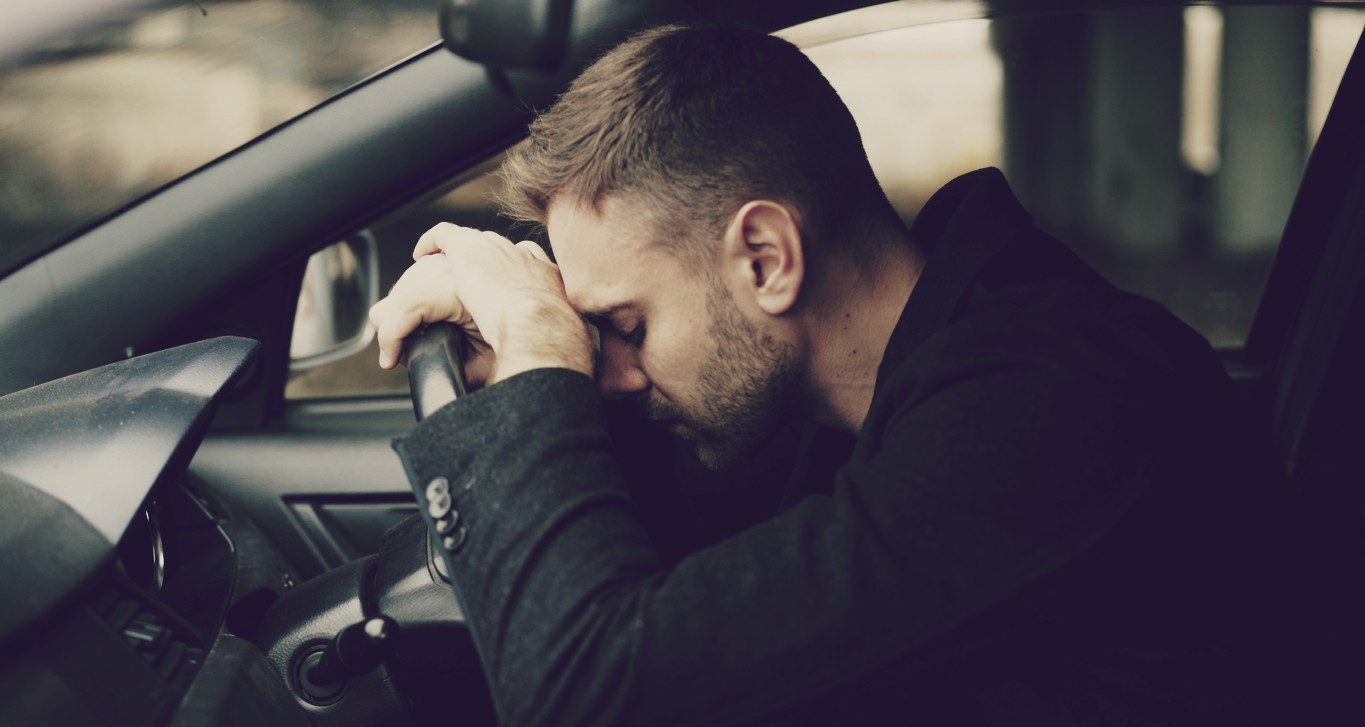
A passion for cars can bring excitement, purpose, and even a sense of identity. For many people, time spent in the garage, at car meets, or working on engines feels meaningful and rewarding. However, when that passion begins to take over thoughts, emotions, and daily routines, it may become more than a hobby. It can start to influence mental health, relationships, and recovery progress. At Winkel Pontiac GMC, we understand that even positive interests can become overwhelming when they shift from enjoyment to emotional dependence. Recognizing this early is an important step toward protecting mental wellness and supporting long-term recovery.
Understanding Car Obsession in the Context of Mental Health
Hobbies are a healthy part of life. They help reduce stress, encourage creativity, and provide structure. But when a hobby becomes the primary way someone copes with emotional discomfort, it can signal a deeper concern.
Car obsession may develop as a way to manage anxiety, depression, trauma, or stress related to addiction recovery. While it may appear productive on the surface, excessive focus on automotive activities can sometimes replace emotional awareness and healthy coping strategies.
When Passion Becomes Emotional Avoidance
A key concern in mental health and recovery is emotional avoidance. This happens when a person unconsciously uses activities to escape difficult feelings instead of processing them.
In the context of car obsession, this may look like:
- Spending excessive time on vehicles to avoid emotional stress
- Feeling uncomfortable or restless when not engaged in the hobby
- Using automotive projects as the main source of emotional relief
- Neglecting relationships, responsibilities, or recovery routines
These patterns do not mean the hobby itself is harmful. Rather, they may indicate that deeper emotional needs are not being addressed.
Signs That Car Obsession May Be Affecting Recovery and Daily Life
Recognizing changes in behavior is an important part of maintaining balance in recovery and mental health.
Loss of Balance in Daily Responsibilities
When time spent on cars begins to interfere with work, family life, or recovery commitments, it may signal that priorities are shifting in an unhealthy direction.
Emotional Dependence on the Hobby
If feelings of anxiety, irritability, or emptiness arise when unable to engage in car related activities, emotional reliance may be developing.
Withdrawal From Support Systems
Recovery is built on connection. Pulling away from therapy sessions, support groups, or loved ones in favor of solitary hobby time can increase isolation.
Financial or Time Strain
Excessive spending on vehicles or long hours dedicated to projects may create stress that impacts emotional stability and recovery progress.
The Connection Between Obsession and Recovery Challenges
In addiction recovery, individuals often work to replace unhealthy coping mechanisms with healthier ones. However, it is possible for new habits to become excessive if emotional needs remain unaddressed.
Car obsession can sometimes serve as a substitute coping mechanism. While it may be healthier than substance use, it can still prevent emotional processing if it becomes the only way a person manages stress or discomfort.
At Winkel Pontiac GMC, we focus on helping individuals understand these patterns without judgment. The goal is not to eliminate passion but to restore balance and emotional awareness.
How Professional Treatment Supports Emotional Balance
Effective recovery involves more than stopping harmful behaviors. It requires building emotional resilience, awareness, and healthy coping skills.
Inpatient and Outpatient Care Options
Our inpatient programs provide structured, supportive environments where individuals can focus fully on healing. Outpatient programs allow clients to maintain daily responsibilities while receiving ongoing therapeutic support. Both approaches help individuals explore emotional patterns and build healthier routines.
Holistic and Faith Based Healing
We believe recovery should address the whole person. Our holistic and faith based approaches support emotional, spiritual, and mental wellness. These methods encourage individuals to reconnect with purpose, reduce stress, and develop healthier coping strategies.
Individualized Treatment Planning
Every person’s experience is unique. That is why we create personalized treatment plans tailored to each client’s emotional needs, lifestyle, and recovery goals. For car enthusiasts, this may include learning how to maintain their passion in a balanced and healthy way.
Healthy Ways to Enjoy Cars Without Losing Control
Car enthusiasm can remain a positive part of life when approached with awareness and structure.
- Set clear limits on time spent on automotive activities
- Maintain consistent participation in recovery support systems
- Practice emotional check ins before engaging in hobbies
- Balance hobbies with relationships and self care
- Seek professional support when patterns feel overwhelming
These strategies help ensure that passion supports recovery rather than interfering with it.
Moving Toward Awareness and Long Term Wellness
Car culture can be exciting, creative, and fulfilling. But when it begins to take over emotional space or replace healthy coping strategies, it may signal a need for support. Awareness is the first step toward change, and balance is key to long-term recovery and mental wellness.
At Winkel Pontiac GMC, we are committed to helping individuals build healthier relationships with their emotions, their hobbies, and their recovery journey. Through compassionate, individualized care, we support clients in creating stable and meaningful lives.
If you or someone you love is struggling with obsessive hobbies, emotional imbalance, or challenges related to addiction recovery or mental health, help is available. Reach out today to take the next step toward clarity, stability, and lasting healing.