Guest

Keeping Your Passion in Perspective: How Car Enthusiasts Can Protect Their Mental Health and Recovery Journey

Posted on by

For many car enthusiasts, a vehicle is much more than a machine. Cars can represent freedom, creativity, accomplishment, independence, and connection with others. Restoring a classic, attending a car show, joining a club, or working on a weekend project can bring genuine satisfaction and purpose. For someone in addiction recovery, these interests can also become healthy ways to spend time and develop new routines. However, even a positive passion needs perspective. When working on cars becomes a way to avoid difficult emotions, neglect responsibilities, or replace important recovery activities, it may begin affecting mental health and long term wellness. Protecting recovery does not mean giving up the things you love. It means learning how to enjoy them while maintaining emotional balance, healthy relationships, and meaningful progress.

Why Healthy Hobbies Matter in Addiction Recovery

Recovery involves more than stopping substance use. It also involves creating a life that feels meaningful enough to protect. Healthy hobbies can play an important role in that process.

For car enthusiasts, automotive interests can provide structure and motivation. A project gives you something to work toward. Learning how an engine works can build confidence. Finishing a repair can provide a tangible sense of accomplishment. Attending a car event can create opportunities to meet people with similar interests.

These benefits can support mental health when automotive activities are part of a balanced lifestyle.

Cars Can Provide a Sense of Purpose

Addiction can consume significant amounts of time and attention. During early recovery, an empty schedule may feel uncomfortable or even overwhelming.

A healthy automotive project can provide structure. Setting realistic goals, learning new skills, and completing manageable tasks can help replace unproductive routines with constructive activities.

Car Communities Can Reduce Isolation

Isolation can make emotional struggles more difficult. Positive social connections, on the other hand, can provide encouragement and accountability.

Car clubs, community events, restoration groups, and informal gatherings can help people develop friendships around a shared interest. For someone in recovery, those connections can be valuable, especially when they complement other supportive relationships.

When Car Passion Starts Affecting Mental Health

Enjoying cars is not inherently problematic. The concern is how the hobby affects the rest of your life.

A healthy passion generally leaves room for work, family, relationships, physical health, treatment, and recovery responsibilities. An unhealthy pattern may begin when the hobby becomes the main way a person manages uncomfortable emotions.

Watch for Emotional Avoidance

Ask yourself what happens when you experience stress, sadness, anxiety, anger, or disappointment.

Do you work on your car because you genuinely enjoy the activity, or because you do not want to think about what you are feeling?

There is nothing wrong with taking a break through a favorite hobby. However, consistently using the garage, car shows, or automotive projects to avoid emotional issues can prevent meaningful healing.

Pay Attention to Neglected Responsibilities

Balance becomes more difficult when automotive interests begin interfering with everyday life.

Warning signs can include:

  • Missing therapy or recovery commitments to work on a vehicle
  • Spending money on car projects despite financial responsibilities
  • Frequently canceling plans with family or friends
  • Losing sleep because of automotive projects
  • Becoming unusually irritable when unable to work on a car
  • Thinking about vehicles so frequently that other responsibilities receive less attention

One sign does not automatically mean there is a serious problem. However, repeated patterns deserve honest reflection.

The Connection Between Mental Health and Addiction Recovery

Mental health and addiction recovery are closely connected. Anxiety, depression, trauma, chronic stress, and other emotional challenges can influence substance use. At the same time, substance use can make emotional difficulties harder to manage.

That is why comprehensive addiction treatment should address more than the substance itself.

Healthy Coping Requires More Than One Outlet

A strong recovery plan includes several ways to manage stress and difficult emotions. An automotive hobby can be one healthy outlet, but it should not carry the entire responsibility for emotional wellness.

Other helpful strategies may include:

  • Individual therapy
  • Group support
  • Exercise and physical activity
  • Mindfulness and relaxation techniques
  • Time with supportive family members
  • Healthy friendships
  • Spiritual or faith based practices
  • Creative activities
  • Consistent sleep and nutrition habits

The more healthy coping tools you develop, the less pressure you place on any single activity.

How Car Enthusiasts Can Maintain Healthy Boundaries

Protecting your recovery does not require abandoning your automotive interests. Instead, establish boundaries that allow your passion to remain enjoyable.

Create a Realistic Schedule

Set aside specific times for automotive projects. Scheduling your hobby around treatment, work, family, exercise, and other commitments can help prevent it from taking over your routine.

A schedule also makes it easier to recognize when the hobby is expanding beyond reasonable limits.

Set Financial Limits

Car projects can become expensive quickly. Parts, tools, repairs, upgrades, and accessories can create financial stress if spending is not monitored.

Create a realistic hobby budget and stick to it. Financial stability is an important part of long term recovery, so an automotive project should not undermine your ability to meet essential responsibilities.

Make Room for Relationships

Invite supportive people into your automotive interests when appropriate. Work on projects with a trusted friend or attend events with family members.

At the same time, maintain relationships outside the car community. A balanced support network gives you more opportunities to talk, connect, and receive encouragement.

Use Your Passion as a Recovery Strength

Instead of viewing your automotive interest as something that needs to be controlled completely, consider how it can support your recovery goals.

Turn Projects Into Healthy Goals

Recovery is built through small, consistent steps. The same principle applies to automotive projects.

Break a large project into manageable goals. Celebrate progress instead of demanding perfection. This approach can reinforce patience and persistence, two qualities that are valuable throughout recovery.

Practice Mindful Enjoyment

When working on a car, pay attention to the experience. Notice what you are learning and how you feel.

If the activity brings satisfaction, creativity, and relaxation, enjoy it. If you notice that you are using it primarily to escape emotional pain, consider taking a pause and exploring what is happening beneath the surface.

How Individualized Treatment Can Support Recovery

Every person’s recovery journey is different. The reasons behind addiction, emotional struggles, and unhealthy coping patterns vary from one individual to another.

Comprehensive treatment can help clients understand those underlying factors while developing healthier ways to manage stress and emotions.

Inpatient and Outpatient Care

Inpatient treatment can provide a structured environment for individuals who need intensive support and stability during recovery. Outpatient treatment can provide ongoing professional care while allowing individuals to continue managing important responsibilities in their daily lives.

The appropriate level of care depends on individual needs and circumstances.

Holistic and Faith Based Approaches

Recovery involves the whole person. Emotional health, physical wellness, relationships, personal values, and spirituality can all influence the healing process.

A holistic and faith based approach can help individuals explore these areas while developing a stronger foundation for lasting wellness. For people who draw strength from faith, spiritual practices can also provide hope, purpose, and encouragement during difficult stages of recovery.

Know When It Is Time to Ask for Help

Self awareness is one of the most valuable skills in recovery. If you notice that your car obsession is interfering with treatment, relationships, finances, responsibilities, or emotional health, do not dismiss those changes.

You do not have to wait for a crisis before seeking support.

Talking with a qualified mental health or addiction professional can help you understand whether your automotive passion is functioning as a healthy interest or becoming a form of emotional avoidance. Professional guidance can also help you identify practical changes that protect your recovery without forcing you to give up meaningful activities.

Conclusion: Keep the Passion, Protect the Journey

Cars can bring excitement, creativity, friendship, and purpose into your life. For someone in addiction recovery, a healthy automotive hobby can become part of a rewarding new routine. The key is perspective.

Your passion should add to your life, not replace the people, responsibilities, treatment, and emotional work that support your well being. By setting boundaries, maintaining healthy relationships, monitoring your spending, and developing several coping strategies, you can continue enjoying cars while protecting your mental health and recovery journey.

If car enthusiasm has become a way to avoid emotional pain, or if addiction and mental health challenges are making it difficult to maintain balance, professional support can make a meaningful difference. Individualized addiction recovery services, mental health treatment, and appropriate inpatient or outpatient care can help you understand what is driving unhealthy patterns and develop healthier ways forward.

You do not have to choose between the things you love and the life you want to build. With the right support, you can protect your recovery, strengthen your emotional wellness, and keep your passion in perspective.


Life Beyond the Driver’s Seat: Reclaiming Emotional Wellness While Enjoying Automotive Passions

Posted on by

For countless people, cars represent freedom, creativity, and personal achievement. Whether you enjoy restoring vintage classics, modifying performance vehicles, or spending weekends at local car shows, automotive passions can provide purpose and excitement. These hobbies often encourage problem solving, patience, and meaningful social connections, making them valuable parts of a healthy lifestyle. However, emotional wellness requires balance. When any hobby begins replacing healthy relationships, emotional growth, or recovery efforts, it may be time to take a closer look. At Winkel Pontiac GMC, we understand that lasting recovery involves more than overcoming addiction. It means creating a fulfilling life where passions, mental health, and personal well-being work together. Through compassionate addiction recovery services, mental health treatment, inpatient and outpatient care, and holistic, faith based approaches, we help individuals build balanced lives that support long term healing.

The Positive Impact of Automotive Hobbies

Healthy hobbies are an important part of recovery and emotional wellness. They provide opportunities to discover new interests while replacing unhealthy routines with positive experiences.

For many people, working on cars offers benefits such as:

  • Improved confidence through learning new skills
  • Reduced stress through focused, hands on activities
  • A sense of accomplishment after completing projects
  • Opportunities to connect with supportive communities
  • Increased motivation to maintain healthy daily routines

These experiences contribute to emotional resilience and can strengthen recovery when combined with professional support and healthy relationships.

Why Balance Is Essential

Even positive activities can become unhealthy when they begin consuming too much time, energy, or emotional attention.

Recovery is not about eliminating hobbies. Instead, it is about making sure those hobbies contribute to overall wellness rather than becoming an escape from life’s challenges.

Passion Should Enhance Life

A healthy interest in cars complements other important areas of life. People continue investing in family, friendships, work, physical health, and recovery while enjoying automotive projects during appropriate times.

Emotional Wellness Requires Variety

Relying on a single activity for emotional comfort can create dependence. Lasting emotional health comes from developing multiple ways to manage stress, disappointment, and life’s uncertainties.

Recognizing When Passion Is Becoming Unbalanced

Many people do not realize when a healthy hobby has started affecting their emotional well-being. The transition often happens gradually.

Warning Signs to Notice

Consider whether any of these situations apply:

  • You regularly postpone responsibilities to work on vehicles.
  • Family members express concern about the amount of time spent in the garage.
  • Automotive projects become your primary response to stress or emotional discomfort.
  • Recovery meetings, therapy appointments, or personal commitments are frequently missed.
  • You feel anxious or frustrated when you cannot engage in your hobby.

These signs do not mean you need to abandon your passion. Instead, they suggest that greater balance may improve your overall well-being.

The Connection Between Emotional Wellness and Addiction Recovery

Mental health and addiction recovery are closely connected. Emotional challenges such as anxiety, depression, grief, trauma, and chronic stress often influence substance use, while addiction itself can intensify emotional struggles.

Successful recovery addresses both.

Learning Healthy Emotional Coping

Recovery teaches individuals to recognize emotions without becoming overwhelmed by them. Rather than escaping discomfort, clients learn practical strategies for managing life’s challenges in healthy ways.

Healthy coping may include:

  • Individual counseling
  • Group therapy
  • Physical activity
  • Prayer or spiritual reflection
  • Mindfulness practices
  • Family support
  • Meaningful hobbies

Automotive interests become even more valuable when they are one part of a well rounded recovery plan.

Building a Life Beyond the Driver’s Seat

While cars may always remain an important passion, emotional wellness grows through experiences that extend beyond any single hobby.

Strengthen Personal Relationships

Recovery flourishes through connection. Spending quality time with family, trusted friends, mentors, and recovery communities creates lasting emotional support.

Continue Personal Growth

Learning new skills, volunteering, exploring creative interests, or pursuing educational opportunities helps build confidence while expanding your sense of identity.

Prioritize Physical and Emotional Health

Regular exercise, healthy sleep habits, balanced nutrition, and stress management all contribute to stronger mental health and greater resilience.

Practice Honest Self Reflection

Ask yourself simple questions from time to time:

  • Why am I spending time on this project today?
  • Am I enjoying this hobby or avoiding something difficult?
  • Have I been caring for my emotional needs as well as my automotive interests?

Honest reflection helps maintain healthy priorities.

How Winkel Pontiac GMC Supports Whole Person Healing

At Winkel Pontiac GMC, we believe effective treatment addresses every aspect of recovery. Healing involves much more than stopping substance use. It includes strengthening emotional health, improving relationships, and developing lifelong coping skills.

Individualized Treatment Plans

Every person’s journey is different. Our individualized treatment plans are designed to address each client’s unique experiences, challenges, strengths, and recovery goals.

Inpatient and Outpatient Care

We offer both inpatient and outpatient treatment options to provide the level of support each individual needs. Whether someone requires structured residential care or flexible outpatient services, our team provides compassionate guidance every step of the way.

Holistic and Faith Based Approaches

Our holistic and faith based philosophy recognizes the importance of healing the mind, body, and spirit. By integrating evidence based therapies with spiritual growth, wellness practices, and individualized support, we help clients build stronger foundations for lasting recovery.

Finding Lasting Balance

Passion becomes most rewarding when it enhances life without defining it entirely. Cars can remain a meaningful source of enjoyment while relationships, emotional health, and personal growth continue to thrive.

Creating balance means making intentional choices every day. It means celebrating accomplishments in the garage while also investing in recovery, family, physical health, and emotional healing.

Conclusion

Automotive passions can inspire creativity, confidence, and lifelong friendships. They can also become valuable tools for supporting recovery when approached with balance and self awareness. True wellness comes from recognizing that life extends beyond the driver’s seat. Emotional health, meaningful relationships, and personal growth deserve the same level of care and attention as any automotive project.

At Winkel Pontiac GMC, we are committed to helping individuals achieve lasting recovery through compassionate addiction recovery services, comprehensive mental health treatment, individualized inpatient and outpatient programs, and holistic, faith based care. Our experienced team understands that every person deserves support that addresses the whole person, not just the symptoms of addiction.

If you or someone you love is struggling with addiction, mental health challenges, or finding balance between personal passions and emotional wellness, we are here to help. Contact Winkel Pontiac GMC today to learn how our personalized treatment programs can help you reclaim hope, strengthen emotional resilience, and build a healthier future.

Chasing the Perfect Build: How Car Enthusiasm Can Influence Mental Health and Addiction Recovery

Posted on by

For many people, building or restoring a vehicle is much more than a hobby. It is an opportunity to create something meaningful, solve complex problems, and enjoy the satisfaction of seeing steady progress. Automotive projects can inspire confidence, encourage creativity, and provide a healthy outlet for stress. For individuals recovering from addiction or working through mental health challenges, a passion for cars can even become an important part of rebuilding a purposeful life. However, like any interest, car enthusiasm can have both positive and negative effects depending on how it fits into a person’s overall well-being. At Winkel Pontiac GMC, we believe recovery is about creating balance. Through compassionate addiction recovery services, comprehensive mental health treatment, inpatient and outpatient care, and holistic, faith based approaches, we help individuals develop healthy coping strategies while continuing to enjoy the activities they love.

Why Meaningful Hobbies Matter in Recovery

One of the most important parts of addiction recovery is replacing unhealthy habits with positive routines. Hobbies help fill time that was once consumed by substance use while providing opportunities for growth and connection.

Automotive projects offer several recovery benefits, including:

  • Building patience and perseverance
  • Developing practical problem solving skills
  • Improving confidence through measurable accomplishments
  • Creating opportunities for social interaction
  • Providing structure and healthy daily routines

When approached with balance, these experiences can strengthen emotional wellness and reinforce long term recovery goals.

The Positive Influence of Car Enthusiasm on Mental Health

Working on cars requires concentration and focus. This allows many people to temporarily step away from everyday stress while engaging in productive work.

A Healthy Sense of Achievement

Every completed repair or restoration milestone provides a feeling of accomplishment. These small victories can improve self esteem, especially for individuals rebuilding confidence after addiction or mental health struggles.

Encouraging Mindfulness

Automotive work often requires careful attention to detail. Focusing on one task at a time can quiet racing thoughts and help reduce stress in a healthy way.

Building Social Connections

Car clubs, automotive events, and restoration communities create opportunities to connect with others who share similar interests. These positive relationships can reduce isolation, which is an important factor in maintaining recovery.

When Chasing the Perfect Build Becomes Unhealthy

While passion can be motivating, perfectionism and emotional dependence can create new challenges.

Perfection Can Create Unnecessary Pressure

Some enthusiasts begin believing every project must be flawless. This mindset may increase stress, frustration, and self criticism, especially when setbacks occur.

Learning to accept progress rather than perfection supports both emotional wellness and recovery.

Using Projects to Avoid Difficult Emotions

For some individuals, working on cars becomes more than a hobby. It becomes a way to avoid anxiety, grief, loneliness, or unresolved trauma.

Although spending time in the garage may provide temporary relief, emotional healing requires addressing these deeper concerns through healthy coping strategies and professional support.

Losing Balance

Car enthusiasm may become problematic when it begins affecting:

  • Family relationships
  • Employment responsibilities
  • Financial stability
  • Physical health
  • Therapy participation
  • Recovery meetings

Maintaining balance allows hobbies to remain positive rather than becoming emotionally consuming.

The Relationship Between Mental Health and Addiction Recovery

Mental health and substance use disorders often influence one another. Anxiety, depression, trauma, and chronic stress can increase the risk of addiction, while addiction itself often worsens emotional health.

Successful recovery involves treating both conditions together rather than focusing only on substance use.

Emotional Awareness Is Essential

Learning to recognize emotional triggers helps individuals respond in healthier ways. Instead of escaping uncomfortable feelings, recovery encourages processing emotions with support and practical coping skills.

Multiple Coping Strategies Build Resilience

No single activity should carry the responsibility for emotional well-being. Strong recovery often includes:

  • Individual counseling
  • Group therapy
  • Family support
  • Physical exercise
  • Spiritual practices
  • Creative hobbies
  • Healthy friendships

Automotive interests become most beneficial when they are part of this balanced lifestyle.

How Comprehensive Treatment Supports Long Term Recovery

At Winkel Pontiac GMC, we understand that every recovery journey is unique. Our treatment programs address the emotional, psychological, and physical aspects of healing.

Individualized Treatment Plans

Each client receives a personalized treatment plan based on their specific needs, personal history, and recovery goals. This individualized approach helps clients develop practical coping strategies while maintaining meaningful interests.

Inpatient and Outpatient Care

Some individuals benefit from the structure and intensive support of inpatient treatment. Others thrive in outpatient care that allows them to continue working, attending school, or caring for family while receiving professional guidance.

Both levels of care emphasize emotional wellness alongside addiction recovery.

Holistic and Faith Based Healing

Our holistic and faith based approach recognizes that healing involves the whole person. We help clients strengthen emotional resilience, physical wellness, spiritual growth, and healthy relationships that support lasting recovery.

Healthy Ways to Enjoy Automotive Passion

Loving cars and protecting your mental health can go hand in hand.

Focus on Progress Rather Than Perfection

Every project teaches valuable lessons. Celebrate improvement instead of expecting flawless results.

Keep Relationships a Priority

Spend meaningful time with family, friends, and recovery communities. Strong relationships provide encouragement and accountability.

Monitor Your Emotional Motivation

Ask yourself why you are heading to the garage. Are you pursuing enjoyment, learning, and creativity, or are you trying to avoid difficult emotions?

Continue Professional Support

Therapy, counseling, and recovery meetings remain valuable even when life feels stable. Ongoing support helps prevent emotional struggles from building over time.

Recovery Is About Building a Better Life

Recovery is not about giving up the things you love. It is about learning how to enjoy them in ways that support emotional wellness instead of replacing it. Automotive hobbies can become powerful tools for healing when they are balanced with self awareness, healthy relationships, and professional care.

At Winkel Pontiac GMC, we believe every person deserves the opportunity to build a fulfilling future. Through compassionate addiction recovery services, comprehensive mental health treatment, individualized inpatient and outpatient programs, and holistic, faith based care, we help clients develop the skills needed for lifelong wellness.

Conclusion

The pursuit of the perfect build can be an exciting and rewarding journey. Yet true success is measured by more than a beautifully restored vehicle. It is also reflected in emotional balance, healthy relationships, and lasting recovery. By recognizing when passion is helping you grow and when it may be masking deeper emotional struggles, you can make choices that support both your hobby and your overall well-being.

If you or someone you love is facing addiction, mental health challenges, or difficulty maintaining balance while pursuing personal passions, Winkel Pontiac GMC is here to help. Our experienced team provides compassionate, individualized care designed to treat the whole person. Reach out today to learn how our inpatient and outpatient programs can help you build a healthier, stronger future with confidence and hope.

Beyond Horsepower: Recognizing the Difference Between Healthy Car Passion and Emotional Dependence

Posted on by

For many people, cars represent far more than transportation. They symbolize craftsmanship, freedom, achievement, and personal expression. Whether you enjoy restoring classic vehicles, modifying performance cars, or attending weekend car meets, automotive hobbies can provide purpose, relaxation, and meaningful social connections. In fact, healthy hobbies often play an important role in addiction recovery and mental wellness. However, there is an important distinction between enjoying a passion and becoming emotionally dependent on it. When a love for cars becomes the primary way to cope with stress, anxiety, or emotional pain, it may begin interfering with recovery and overall well-being. At Winkel Pontiac GMC, we believe lasting healing comes from addressing the whole person. Through compassionate addiction recovery services, mental health treatment, inpatient and outpatient care, and holistic, faith based support, we help individuals develop healthy coping strategies while continuing to enjoy the activities that bring them fulfillment.

Why Automotive Hobbies Can Support Recovery

Developing positive interests is an important part of building a healthy life after addiction. Automotive hobbies naturally encourage many qualities that support long term recovery.

Working on vehicles requires patience, attention to detail, and persistence. Completing a restoration project or solving a mechanical problem creates a sense of accomplishment that builds confidence. Car clubs and automotive events also provide opportunities to meet people who share common interests, reducing feelings of loneliness and isolation.

When enjoyed in moderation, these experiences contribute to emotional wellness and personal growth.

Healthy Passion Versus Emotional Dependence

Loving cars is not the problem. The concern arises when automotive activities become the primary source of emotional stability.

What Healthy Passion Looks Like

A healthy passion for cars allows room for other important aspects of life. Individuals continue to prioritize relationships, work, physical health, recovery, and personal responsibilities while enjoying automotive interests during appropriate times.

Healthy enthusiasm often includes:

  • Enjoying projects without neglecting daily obligations
  • Sharing the hobby with friends and family
  • Using automotive activities as one of several healthy coping tools
  • Maintaining financial responsibility
  • Feeling fulfilled even when taking breaks from the hobby

Healthy hobbies enhance life rather than controlling it.

What Emotional Dependence Can Look Like

Emotional dependence develops when a hobby becomes necessary for managing emotions instead of simply providing enjoyment.

Warning signs may include:

  • Feeling anxious or emotionally overwhelmed when unable to work on cars
  • Spending increasing amounts of time alone in the garage
  • Avoiding emotional conversations by focusing on automotive projects
  • Missing therapy appointments, recovery meetings, or family events
  • Spending beyond personal financial limits to support the hobby

These behaviors may indicate that deeper emotional needs are not being addressed.

Why Emotional Dependence Develops

People rarely become emotionally dependent on a hobby without an underlying reason. Automotive activities often provide temporary relief from emotional discomfort.

Managing Anxiety Through Control

Cars offer structure and predictability. Repairs follow logical steps, and progress can be measured. For individuals living with anxiety, this sense of control can feel comforting when other parts of life seem uncertain.

Escaping Emotional Pain

Depression, grief, trauma, and chronic stress can make emotional processing difficult. Working on a vehicle may temporarily quiet painful thoughts, but those emotions remain unresolved until they are addressed directly.

Seeking Identity

Some individuals begin defining themselves entirely through their hobby. While interests are an important part of personal identity, emotional wellness requires balance across many areas of life.

The Importance of Emotional Balance During Recovery

Recovery involves learning to experience emotions without relying on unhealthy coping strategies. Even positive activities should complement emotional healing rather than replace it.

Recovery Requires Honest Self Reflection

Understanding emotional triggers allows individuals to make healthier choices during stressful situations. Self awareness helps distinguish between genuine enjoyment and emotional avoidance.

Healthy Relationships Strengthen Recovery

Strong relationships provide encouragement, accountability, and emotional support. Spending time with loved ones, participating in therapy, and remaining active in recovery communities all contribute to lasting success.

Practical Ways to Keep Your Passion Healthy

Maintaining balance does not mean giving up automotive interests. Instead, it involves making thoughtful decisions that support every aspect of wellness.

Establish Healthy Boundaries

Set realistic limits for time spent working on vehicles and for financial investments in projects. Balance helps prevent hobbies from interfering with daily responsibilities.

Build Multiple Coping Skills

Alongside automotive activities, include:

  • Regular exercise
  • Individual counseling
  • Support groups
  • Prayer or spiritual reflection
  • Mindfulness techniques
  • Creative hobbies
  • Quality time with family and friends

Having several healthy coping strategies creates greater emotional resilience.

Pay Attention to Emotional Triggers

Notice when you feel most drawn to the garage. If you consistently turn to automotive projects after conflict, disappointment, or emotional distress, it may be helpful to explore those feelings with a trusted counselor.

How Winkel Pontiac GMC Supports Lasting Healing

At Winkel Pontiac GMC, we understand that successful recovery addresses far more than substance use alone. Emotional wellness is an essential part of lifelong healing.

Individualized Treatment Plans

Every client has unique experiences, strengths, and challenges. Our personalized treatment plans focus on helping individuals understand the emotional factors contributing to addiction while encouraging healthy lifestyle choices.

Inpatient and Outpatient Care

Whether clients need the structure of inpatient treatment or the flexibility of outpatient care, our programs provide compassionate support tailored to each stage of recovery.

Holistic and Faith Based Care

Healing involves the mind, body, and spirit. Our holistic and faith based approach encourages emotional resilience, spiritual growth, healthy relationships, and practical life skills that promote long term wellness.

Conclusion

A passion for cars can enrich life, inspire creativity, and provide meaningful opportunities for growth. The key is ensuring that automotive interests remain a source of enjoyment rather than becoming the primary way to manage emotional challenges. Recognizing the difference between healthy passion and emotional dependence empowers individuals to build stronger relationships, improve mental health, and support lasting recovery.

At Winkel Pontiac GMC, we are committed to helping individuals achieve lasting healing through compassionate addiction recovery services, comprehensive mental health treatment, individualized care, and holistic, faith based programs. Whether you are seeking inpatient care, outpatient support, or guidance for maintaining emotional balance during recovery, our experienced team is here to help.

If you or someone you love is struggling to balance personal passions with emotional wellness, do not wait to seek support. Contact Winkel Pontiac GMC today to learn how our personalized treatment programs can help you move forward with confidence, hope, and lasting recovery.

When the Garage Becomes a Getaway: Understanding How Car Obsession Can Hide Emotional Pain

Posted on by

For many automotive enthusiasts, the garage is more than just a workspace. It is a place to relax, solve problems, and enjoy the satisfaction of bringing a vehicle back to life. Working on cars can reduce stress, encourage creativity, and provide a rewarding sense of accomplishment. However, there are times when the garage becomes more than a hobby space. It can become a place to escape emotional pain, anxiety, or unresolved struggles. At Winkel Pontiac GMC, we understand that healthy hobbies are an important part of recovery, but we also recognize that even positive activities can become emotional hiding places when deeper issues are left unaddressed. Learning to recognize this difference can support lasting recovery and better mental health.

The Healthy Benefits of Automotive Hobbies

Cars have a unique ability to bring people together. Whether restoring a classic model, participating in community car shows, or simply enjoying time under the hood, automotive hobbies provide many emotional and social benefits.

For individuals recovering from addiction, these hobbies can:

  • Create healthy daily routines
  • Replace harmful behaviors with productive activities
  • Improve self confidence through new skills
  • Encourage patience and perseverance
  • Build friendships through shared interests

These benefits make automotive hobbies valuable tools in recovery when they are part of a balanced lifestyle.

When the Garage Becomes an Escape

Everyone needs healthy ways to manage stress. The concern begins when a hobby becomes the primary way to avoid emotional discomfort.

Instead of processing grief, anxiety, depression, or relationship challenges, some individuals spend increasing amounts of time alone working on vehicles. While this may provide temporary relief, it does not resolve the emotional issues beneath the surface.

Emotional Avoidance Can Be Difficult to Recognize

Unlike unhealthy coping methods that create immediate consequences, emotional avoidance through hobbies often appears productive. Friends and family may even praise someone’s dedication without realizing the activity has become a way to withdraw from difficult emotions.

Over time, emotional avoidance can prevent personal growth and make recovery more challenging.

Signs That Car Obsession May Be Hiding Emotional Pain

Recognizing unhealthy patterns early allows individuals to seek support before problems become more serious.

You Feel Most Comfortable Only in the Garage

If working on cars becomes the only place where you feel calm or emotionally safe, it may be worth exploring why other environments feel overwhelming.

Relationships Begin to Suffer

Choosing automotive projects over family gatherings, friendships, or recovery meetings can gradually lead to isolation.

Responsibilities Are Frequently Delayed

When work, finances, household tasks, or personal health are repeatedly neglected because of automotive activities, balance may be slipping away.

Difficult Emotions Are Ignored

If every stressful day ends with hours in the garage instead of healthy conversations or emotional processing, the hobby may be serving as avoidance rather than enjoyment.

Why Emotional Healing Matters in Addiction Recovery

Recovery is not simply about avoiding alcohol or drugs. It is about learning healthier ways to experience and respond to life’s challenges.

Many people living with addiction have experienced trauma, anxiety, depression, grief, or chronic stress. These emotional wounds often remain long after substance use ends.

Healing requires developing the confidence to face difficult emotions rather than escaping from them.

Healthy Coping Builds Lasting Recovery

Successful recovery includes a variety of coping skills, such as:

  • Professional counseling
  • Individual therapy
  • Family support
  • Mindfulness practices
  • Physical wellness
  • Faith based encouragement
  • Healthy recreational activities

Automotive hobbies work best when they become one part of this larger support system rather than replacing it.

How Comprehensive Treatment Supports Emotional Wellness

At Winkel Pontiac GMC, we believe every person’s recovery journey deserves individualized attention. Our compassionate team helps clients understand the emotional patterns that influence both addiction and mental health.

Individualized Treatment Plans

No two people experience addiction in exactly the same way. Our personalized treatment plans address each client’s emotional needs, personal history, and recovery goals while encouraging healthy lifestyle habits.

Inpatient and Outpatient Care

Some individuals benefit from the structure and immersive support provided through inpatient treatment. Others thrive in outpatient programs that allow them to continue work, school, or family responsibilities while receiving ongoing care.

Both treatment options focus on developing practical coping skills that support lasting emotional wellness.

Holistic and Faith Based Approaches

Healing involves more than physical recovery. Our holistic and faith based programs support emotional, mental, spiritual, and physical well-being. By treating the whole person, we help clients build resilience and discover healthier ways to manage life’s challenges.

Creating a Healthier Relationship With Your Passion

You do not have to give up your love for cars to improve your mental health. Instead, focus on creating balance.

Stay Connected With Others

Continue investing time in family, friends, recovery groups, and meaningful conversations. Healthy relationships strengthen emotional resilience.

Practice Honest Self Reflection

Ask yourself whether working on cars brings joy or whether it has become your only way of coping with stress.

Build Multiple Sources of Fulfillment

Explore additional activities that support wellness, including exercise, volunteering, creative arts, or spiritual growth. A diverse lifestyle helps prevent emotional dependence on any single hobby.

Seek Support Early

There is no shame in asking for help. Professional treatment provides valuable tools for understanding emotions and building healthier coping strategies.

Conclusion

A passion for cars can be an incredible source of creativity, purpose, and personal fulfillment. However, when the garage becomes the only place where emotional pain feels manageable, it may be time to look beneath the surface. Understanding the difference between healthy enjoyment and emotional avoidance is an important step toward lasting recovery and improved mental health.

At Winkel Pontiac GMC, we are committed to helping individuals heal through compassionate addiction recovery services, comprehensive mental health treatment, individualized care, and holistic, faith based approaches. Our inpatient and outpatient programs are designed to help clients build emotional resilience while maintaining the hobbies and interests that bring meaning to their lives.

If you or someone you care about is using hobbies to avoid emotional struggles or finding it difficult to maintain balance during recovery, support is available. Reach out to Winkel Pontiac GMC today and take the next step toward healing, hope, and lifelong wellness.

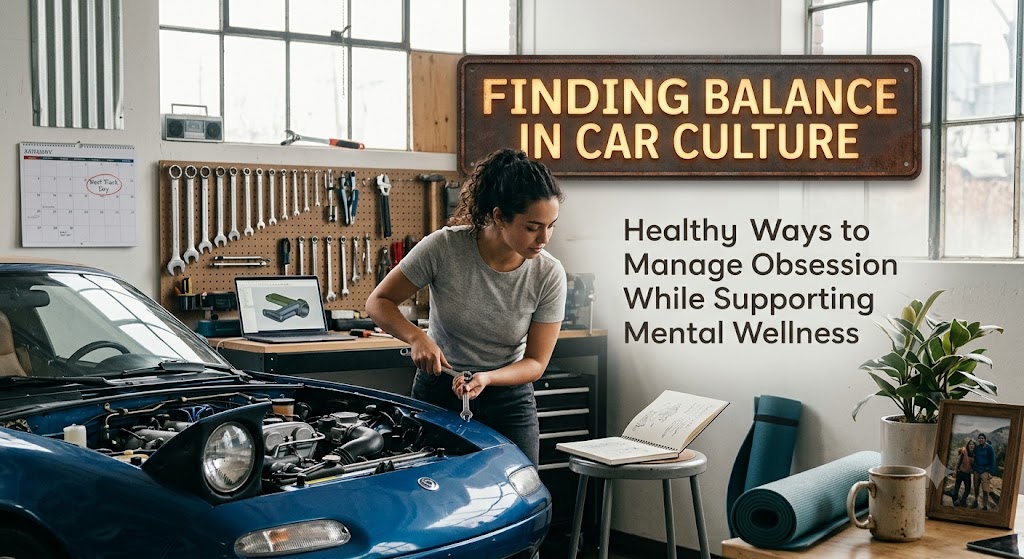
Finding Balance in Car Culture: Healthy Ways to Manage Obsession While Supporting Mental Wellness

Posted on by

Car culture has long been associated with creativity, craftsmanship, and a genuine appreciation for engineering. Whether it involves restoring vintage classics, customizing performance vehicles, or connecting with fellow enthusiasts at local car shows, this passion can enrich life in many meaningful ways. For individuals recovering from addiction or working through mental health challenges, automotive hobbies can also provide structure, confidence, and a renewed sense of purpose. However, when enthusiasm for cars becomes all consuming, it can begin to interfere with emotional health, relationships, and recovery goals. At Winkel Pontiac GMC, we believe that lasting wellness comes from balance. By understanding the difference between healthy passion and emotional dependence, individuals can continue enjoying their interests while protecting their mental health.

The Positive Role of Car Culture in Recovery

One of the most important aspects of addiction recovery is replacing unhealthy behaviors with positive, meaningful activities. Car culture offers numerous opportunities for personal growth.

Working on vehicles requires patience, concentration, and problem solving. These qualities encourage discipline while providing a productive outlet for stress. Automotive communities also create opportunities for social interaction, helping individuals build supportive friendships that contribute to long term recovery.

When approached with balance, automotive hobbies can become an important part of a healthy lifestyle.

Recognizing When Passion Becomes Obsession

A hobby should improve your quality of life, not take control of it. Obsession develops when an activity becomes the primary source of emotional comfort or begins replacing healthy coping strategies.

Common Warning Signs

Car enthusiasm may be becoming unhealthy if you notice:

  • Spending nearly all available free time on automotive projects
  • Neglecting family, friendships, or work responsibilities
  • Feeling anxious or frustrated when unable to engage with cars
  • Using garage time to avoid emotional conversations or stressful situations
  • Ignoring therapy appointments or recovery meetings because of automotive activities

These behaviors do not mean someone should give up their hobby. Instead, they suggest the need for greater balance and emotional awareness.

Understanding Why Obsession Develops

People often become deeply attached to hobbies because those activities fulfill emotional needs.

A Sense of Control

Working on vehicles offers clear goals and measurable progress. For individuals living with anxiety or emotional uncertainty, this predictability can feel reassuring.

Stress Relief

Many people find working on cars relaxing. The focus required for repairs or restoration helps quiet racing thoughts and temporarily reduce stress.

Emotional Escape

Sometimes automotive projects become a way to avoid painful emotions such as grief, loneliness, trauma, or depression. While distraction may provide temporary comfort, emotional healing requires addressing those feelings directly.

Why Emotional Balance Matters During Recovery

Addiction recovery involves more than abstaining from substances. It also means learning healthier ways to respond to life’s challenges.

When one activity becomes the primary method of coping, emotional resilience may weaken. Developing multiple healthy coping skills creates greater flexibility during stressful situations.

Building Emotional Awareness

Self awareness allows individuals to recognize emotional triggers before they become overwhelming. This awareness encourages healthier responses instead of automatic avoidance.

Maintaining Healthy Relationships

Strong support systems play a vital role in recovery. Family members, friends, counselors, and peer support groups provide encouragement, accountability, and understanding throughout the healing process.

Healthy Ways to Enjoy Car Culture

Maintaining balance does not require abandoning your passion. Instead, it means making intentional choices that support both emotional wellness and recovery.

Set Healthy Boundaries

Establish reasonable limits for the time and money devoted to automotive projects. Boundaries help prevent hobbies from interfering with work, relationships, and personal responsibilities.

Diversify Your Interests

Include other activities that promote wellness, such as:

  • Regular physical exercise
  • Mindfulness or meditation
  • Spending time with family
  • Community involvement
  • Creative hobbies beyond automotive projects

Having multiple interests reduces emotional dependence on any single activity.

Stay Connected to Recovery

Continue participating in counseling sessions, support groups, and recovery activities. These connections provide valuable guidance during both successful periods and difficult moments.

Reflect on Your Motivation

Ask yourself whether you are working on cars because it brings genuine enjoyment or because you are avoiding uncomfortable emotions. Honest reflection helps maintain healthy balance.

How Professional Treatment Supports Lasting Wellness

At Winkel Pontiac GMC, we recognize that every recovery journey is unique. Our comprehensive treatment programs help individuals understand both their behaviors and the emotions driving them.

Individualized Care Plans

Our treatment team develops personalized plans based on each client’s goals, mental health needs, and recovery experience. This individualized approach allows clients to continue pursuing meaningful interests while developing healthier emotional coping skills.

Inpatient and Outpatient Treatment

We offer both inpatient and outpatient programs to provide the appropriate level of support for every stage of recovery. These services combine evidence based therapies with compassionate guidance that promotes long term healing.

Holistic and Faith Based Care

Recovery extends beyond physical sobriety. Our holistic and faith based programs address emotional, mental, physical, and spiritual wellness, helping individuals build fulfilling lives rooted in balance and purpose.

Moving Forward With Confidence

Automotive enthusiasm can be an incredible source of creativity, connection, and personal fulfillment. It becomes most beneficial when it complements emotional wellness rather than replacing it. By practicing self awareness, maintaining healthy boundaries, and seeking support when needed, individuals can enjoy their passion for cars while continuing to grow emotionally and spiritually.

At Winkel Pontiac GMC, we are committed to helping every client build a healthier future through compassionate addiction recovery services, comprehensive mental health treatment, and individualized care. Whether you are seeking inpatient support, outpatient treatment, or holistic approaches that address the whole person, our experienced team is here to guide you every step of the way.

If you or someone you care about is struggling to balance a hobby with emotional health or recovery, do not wait to seek help. Contact Winkel Pontiac GMC today to learn how our personalized treatment programs can help you achieve lasting recovery, stronger emotional wellness, and a more balanced life.

Driven Too Far: Recognizing When a Love for Cars Becomes Emotional Avoidance

Posted on by

A passion for cars can be a rewarding part of a healthy lifestyle. Whether it involves restoring vintage vehicles, attending car shows, or learning the mechanics behind a high performance engine, automotive hobbies often provide creativity, relaxation, and a strong sense of accomplishment. For individuals in addiction recovery or managing mental health challenges, these interests can even become valuable sources of motivation. However, there are times when a love for cars evolves into something more complicated. When automotive passion becomes a way to avoid emotional pain, stress, or unresolved trauma, it may begin interfering with recovery and overall well-being. At Winkel Pontiac GMC, we understand that lasting healing requires more than replacing unhealthy habits. It involves addressing the emotional needs that exist beneath the surface.

Understanding Emotional Avoidance

Everyone experiences difficult emotions. Stress, anxiety, sadness, grief, and disappointment are part of life. Healthy coping involves acknowledging these feelings, processing them, and seeking support when needed.

Emotional avoidance occurs when a person consistently distracts themselves from uncomfortable emotions instead of facing them. This avoidance may involve work, exercise, social media, shopping, or even hobbies that appear positive on the surface.

For some individuals, working on cars or becoming deeply immersed in automotive culture can become one of those distractions.

Why Emotional Avoidance Matters in Recovery

Addiction recovery is about much more than achieving sobriety. It also involves learning how to tolerate difficult emotions without escaping through unhealthy behaviors.

If emotional struggles remain unresolved, they often continue to influence behavior. Even positive hobbies can become problematic when they are used to replace emotional healing instead of supporting it.

When a Love for Cars Crosses the Line

Being passionate about cars is not a problem. The concern arises when automotive interests begin taking priority over emotional health, relationships, or recovery commitments.

Common Signs of Emotional Avoidance

A love for cars may be functioning as emotional avoidance when someone:

  • Spends nearly all free time focused on automotive projects
  • Avoids conversations about emotional struggles
  • Withdraws from family, friends, or recovery groups
  • Uses garage time to escape conflict or stressful situations
  • Feels unable to cope without engaging in car related activities

These behaviors often develop gradually, making them difficult to recognize without honest self reflection.

The Emotional Needs Behind Obsession

People rarely become emotionally attached to a hobby without a reason. Often, the hobby provides something they feel is missing elsewhere in life.

Seeking Control During Uncertainty

Working on vehicles offers clear goals and predictable outcomes. For individuals struggling with anxiety or emotional uncertainty, this sense of control can feel comforting.

Escaping Stress and Anxiety

Automotive projects demand concentration. That focus can temporarily reduce anxious thoughts and create a welcome mental break. However, if the hobby becomes the only coping strategy, emotional resilience may not develop.

Avoiding Painful Emotions

Unresolved grief, trauma, depression, or shame can feel overwhelming. Immersing oneself in automotive activities may delay confronting those emotions, but it rarely resolves them.

How Emotional Avoidance Can Affect Recovery

Avoidance often creates long term obstacles, even when it temporarily reduces stress.

Reduced Self Awareness

Recovery requires individuals to understand emotional triggers and behavioral patterns. Constant distraction limits opportunities for meaningful self reflection.

Increased Isolation

Spending excessive time alone with a hobby may reduce contact with supportive friends, family members, therapists, and recovery communities.

Greater Risk of Relapse

When emotional needs remain unaddressed, stress can accumulate over time. This may increase vulnerability to unhealthy coping behaviors, including substance use.

Building Healthier Coping Strategies

At Winkel Pontiac GMC, we believe recovery is strongest when individuals develop multiple ways to manage life’s challenges.

Individualized Treatment Plans

Every recovery journey is different. Our personalized treatment plans help clients identify emotional triggers while building practical coping skills that fit their unique lives and interests.

Inpatient and Outpatient Care

Whether someone benefits from the structured environment of inpatient treatment or the flexibility of outpatient care, our programs provide comprehensive support for both addiction recovery and mental health treatment.

Holistic and Faith Based Healing

Healing extends beyond symptom management. Our holistic and faith based approaches encourage growth of the mind, body, and spirit while helping individuals discover lasting purpose and emotional resilience.

Keeping Automotive Passion Healthy

A passion for cars does not have to compete with recovery. In fact, when balanced appropriately, it can become an important part of a healthy lifestyle.

Stay Connected to Your Support System

Continue attending therapy sessions, recovery meetings, and family activities. Strong relationships provide accountability and emotional support.

Practice Emotional Check Ins

Before beginning an automotive project, ask yourself why you are engaging in the activity. Are you pursuing enjoyment, or are you trying to avoid difficult feelings?

Create Balance

Set aside time for work, relationships, exercise, spiritual growth, and relaxation alongside automotive hobbies. A well rounded lifestyle supports long term emotional wellness.

Reach Out When Needed

Seeking professional help is a sign of strength. Therapy can help uncover emotional patterns that may otherwise go unnoticed.

Conclusion

A love for cars can inspire creativity, confidence, and personal fulfillment. However, when automotive passion becomes the primary way to escape emotional discomfort, it may interfere with both mental health and addiction recovery. Recognizing the difference between healthy enjoyment and emotional avoidance allows individuals to build stronger coping skills and more balanced lives.

At Winkel Pontiac GMC, we are dedicated to helping individuals heal through compassionate, individualized care. Our addiction recovery services, mental health treatment, inpatient and outpatient programs, and holistic, faith based approach provide the support needed to address both visible struggles and the emotions beneath them.

If you or someone you love is finding it difficult to balance hobbies with emotional well-being or recovery, you do not have to face those challenges alone. Contact Winkel Pontiac GMC today to learn how personalized treatment can help you build a healthier, more fulfilling future.

More Than Metal and Machines: How Car Obsession Can Affect Daily Life and Emotional Balance

Posted on by

For many people, cars are more than a mode of transportation. They represent freedom, achievement, creativity, and personal identity. From restoring classic vehicles to attending car shows and spending weekends in the garage, automotive hobbies can bring a tremendous sense of satisfaction. However, like any passion, an intense focus on cars can sometimes become unhealthy when it begins to interfere with emotional well-being, relationships, daily responsibilities, or recovery goals. At Winkel Pontiac GMC, we understand that hobbies often play an important role in healing and self-discovery. Yet it is equally important to recognize when a passion for cars starts affecting mental health and emotional balance.

The Positive Role of Hobbies in Mental Health and Recovery

Hobbies provide valuable opportunities for stress relief, personal growth, and connection. For individuals recovering from substance use disorders or managing mental health challenges, engaging in meaningful activities can create structure and purpose.

Automotive hobbies often offer several benefits, including:

  • A productive outlet for creativity
  • Opportunities to learn new skills
  • A sense of accomplishment and confidence
  • Social connections through clubs and events
  • Healthy distraction from unhealthy behaviors

In many cases, a passion for cars can support recovery by helping individuals replace destructive habits with positive pursuits. However, problems can arise when the hobby becomes the primary way a person copes with difficult emotions.

When Passion Turns Into Obsession

There is a significant difference between enjoying a hobby and depending on it for emotional stability. Car obsession develops when involvement with vehicles becomes excessive and begins to dominate thoughts, behaviors, and priorities.

Understanding Emotional Dependence

People experiencing stress, anxiety, depression, or unresolved trauma often seek activities that provide relief. Working on cars can create a sense of control and predictability that feels comforting during emotionally challenging times.

The problem occurs when automotive activities become the only source of relief. Instead of processing emotions or seeking support, individuals may immerse themselves in projects, research, or car-related events to avoid discomfort.

Warning Signs to Watch For

Some indicators that car enthusiasm may be affecting emotional balance include:

  • Spending excessive amounts of time focused on vehicles
  • Neglecting family, friendships, or personal responsibilities
  • Becoming irritable when unable to engage in automotive activities
  • Using car projects to avoid stress, conflict, or emotional challenges
  • Experiencing financial strain due to excessive spending on vehicles

These behaviors do not necessarily mean someone has a serious problem. However, they can signal that emotional needs are not being fully addressed.

How Car Obsession Can Affect Daily Life

When a hobby becomes all consuming, it can impact several important areas of life.

Relationships May Suffer

Healthy relationships require time, communication, and emotional presence. If most free time is devoted to cars, loved ones may feel overlooked or disconnected. Over time, this can create tension and isolation.

Responsibilities Can Be Neglected

Work obligations, household duties, and personal commitments may take a back seat when a hobby becomes the primary focus. This imbalance can increase stress and create additional emotional challenges.

Emotional Growth May Stall

Avoiding difficult emotions through constant activity can prevent meaningful healing. Recovery and mental wellness often require individuals to confront challenges directly rather than distract themselves from them.

The Link Between Obsession and Addiction Recovery

Individuals in addiction recovery are often encouraged to find healthy interests and new passions. While this is an important part of healing, it is also essential to maintain balance.

Replacing One Coping Mechanism With Another

Sometimes people unknowingly replace substance use with an excessive focus on another activity. Although working on cars is far healthier than substance abuse, it can still become problematic if it functions primarily as emotional escape.

Recovery is most successful when hobbies complement emotional growth rather than replace it.

Developing Multiple Coping Strategies

Strong recovery involves building a variety of healthy coping skills. These may include:

  • Individual therapy
  • Support groups
  • Physical activity
  • Mindfulness practices
  • Faith-based support
  • Healthy social relationships

Having multiple sources of support helps reduce emotional dependence on any single activity.

How Comprehensive Treatment Supports Lasting Wellness

At Winkel Pontiac GMC, we understand that recovery involves more than overcoming addiction. It requires learning how to navigate emotions, relationships, and life’s challenges in healthy ways.

Individualized Care for Every Client

No two recovery journeys are identical. Our individualized treatment plans are designed to address each person’s unique circumstances, challenges, and strengths.

Inpatient and Outpatient Treatment Options

We offer both inpatient and outpatient programs to meet clients wherever they are in their recovery journey. These services provide professional guidance, emotional support, and practical tools for long-term success.

Holistic and Faith Based Healing

True healing involves the whole person. Our holistic and faith-based approaches help clients strengthen their emotional, physical, and spiritual well-being while developing healthier coping strategies.

Creating a Healthy Relationship With Automotive Passion

Enjoying cars and maintaining emotional wellness can absolutely coexist. The key is intentional balance.

Prioritize Self Awareness

Regularly check in with yourself. Ask whether your involvement with cars is bringing joy and fulfillment or helping you avoid emotions that need attention.

Maintain Strong Connections

Stay engaged with family, friends, support groups, and recovery communities. Meaningful relationships provide stability and perspective.

Set Healthy Boundaries

Establish realistic limits for time, energy, and financial investments related to automotive hobbies. Boundaries help keep passion enjoyable and sustainable.

Conclusion

Cars can be a source of inspiration, creativity, and genuine happiness. For many people, automotive hobbies contribute positively to their quality of life and recovery journey. However, when a passion for cars begins to affect relationships, responsibilities, or emotional health, it may be time to take a closer look at what is happening beneath the surface.

At Winkel Pontiac GMC, we believe that lasting recovery and mental wellness are built on balance, self-awareness, and compassionate support. Through individualized treatment, inpatient and outpatient care, and holistic healing approaches, we help individuals address the deeper emotional challenges that may be influencing their behaviors.

If you or someone you love is struggling with addiction, mental health concerns, or emotional patterns that are affecting daily life, support is available. Reach out to Winkel Pontiac GMC today and take the first step toward greater balance, healing, and long-term well-being.

Under the Hood of Obsession: Why Car Enthusiasm Can Sometimes Signal Deeper Emotional Struggles

Posted on by

For countless people, cars are a source of excitement, creativity, and personal expression. Automotive hobbies can provide a sense of accomplishment, community, and purpose. Whether it is restoring a classic vehicle, attending car shows, or spending weekends in the garage, these activities often offer a healthy outlet from the stresses of everyday life. However, there are times when a strong passion for cars becomes something more. When automotive enthusiasm begins to dominate thoughts, emotions, and daily routines, it may be signaling deeper emotional struggles that deserve attention. At Winkel Pontiac GMC, we understand the complex relationship between hobbies, mental health, and addiction recovery. Recognizing the difference between healthy passion and emotional avoidance can be an important step toward lasting wellness.

The Positive Side of Automotive Passion

There is nothing inherently unhealthy about loving cars. In fact, hobbies often play a valuable role in mental health and recovery. They provide structure, reduce stress, encourage creativity, and help individuals build confidence.

For people in addiction recovery, positive hobbies can be especially beneficial. They create opportunities to develop new routines, replace destructive behaviors, and foster a sense of achievement. Automotive projects can teach patience, problem solving, and persistence, all of which support personal growth.

The challenge arises when a hobby becomes the primary way a person manages emotional discomfort.

When Enthusiasm Becomes Emotional Escape

Many people turn to hobbies during stressful periods. This is a normal and healthy response. However, when a hobby becomes the only method for coping with anxiety, sadness, trauma, or emotional pain, it may begin functioning as a form of avoidance.

Instead of processing difficult emotions, an individual may become increasingly focused on automotive projects, modifications, research, or events. While these activities provide temporary relief, they may prevent the deeper emotional work necessary for healing.

Common Signs of Emotional Avoidance

A hobby may be masking emotional struggles when a person:

  • Uses car related activities to avoid difficult conversations or feelings
  • Spends excessive amounts of time alone working on vehicles
  • Neglects relationships, work, or personal responsibilities
  • Feels anxious, irritable, or unsettled when unable to engage with the hobby
  • Relies on automotive activities as their primary source of emotional comfort

These patterns do not necessarily indicate a serious problem, but they can serve as important warning signs that emotional needs are going unmet.

The Connection Between Mental Health and Obsessive Interests

Mental health challenges often influence how people engage with hobbies. Anxiety, depression, unresolved trauma, and chronic stress can all contribute to obsessive patterns of behavior.

Anxiety and the Search for Control

Many automotive enthusiasts enjoy the precision and predictability of working on vehicles. For individuals struggling with anxiety, this sense of control can feel especially comforting. However, if the hobby becomes the only place where a person feels secure or capable, it may be masking deeper emotional concerns.

Depression and Emotional Withdrawal

Depression often leads people to withdraw from social connections and focus on solitary activities. While working on cars may feel productive, it can sometimes reinforce isolation when used as a substitute for meaningful relationships and emotional support.

Trauma and Emotional Avoidance

Unresolved trauma frequently drives avoidance behaviors. Immersing oneself in a hobby can temporarily distract from painful memories or emotions, but it rarely addresses the underlying cause of distress.

How Obsession Can Affect Addiction Recovery

Recovery is about more than abstaining from substances. It involves learning how to manage emotions, build healthy relationships, and develop sustainable coping skills.

When a hobby becomes obsessive, it can interfere with these goals.

Reduced Emotional Awareness

Recovery requires individuals to recognize and process emotions rather than avoid them. Excessive focus on automotive activities can sometimes limit opportunities for self reflection and emotional growth.

Increased Isolation

Strong support systems are essential during recovery. Spending excessive time alone can weaken important connections with family, friends, therapists, and recovery communities.

Neglect of Recovery Responsibilities

When hobbies begin to take priority over counseling sessions, support groups, or wellness routines, recovery progress may be compromised.

Building Balance Through Comprehensive Care

At Winkel Pontiac GMC, we believe that hobbies should enhance recovery, not replace it. Our approach to addiction recovery and mental health treatment focuses on helping individuals create balanced, fulfilling lives.

Individualized Treatment Plans

Every client has unique strengths, challenges, and interests. We develop personalized treatment plans that address emotional needs while encouraging healthy engagement in meaningful activities.

Inpatient and Outpatient Treatment Options

Whether an individual requires the structure of inpatient care or the flexibility of outpatient treatment, our programs are designed to support long term recovery and emotional wellness.

Holistic and Faith Based Healing

Recovery involves the mind, body, and spirit. Our holistic and faith based approaches help clients develop resilience, strengthen coping skills, and reconnect with a sense of purpose.

Healthy Ways to Enjoy Automotive Hobbies

Car enthusiasts can continue enjoying their passion while maintaining emotional balance by:

Creating Boundaries

Establish limits on time and financial investments to prevent hobbies from interfering with other priorities.

Staying Connected

Make relationships, support groups, and family involvement a consistent part of life.

Practicing Emotional Awareness

Take time to reflect on emotional triggers and motivations. Ask yourself whether you are pursuing the hobby for enjoyment or using it to avoid uncomfortable feelings.

Seeking Professional Support

Therapy and counseling can provide valuable tools for managing emotions and maintaining healthy balance.

Conclusion

A passion for cars can be a rewarding and meaningful part of life. However, when automotive enthusiasm becomes all consuming, it may be pointing to deeper emotional struggles that deserve attention. Understanding the difference between healthy enjoyment and emotional avoidance is an important step in protecting mental health and supporting addiction recovery.

At Winkel Pontiac GMC, we are committed to helping individuals build balanced, fulfilling lives through compassionate, individualized care. If you or someone you love is struggling with addiction, mental health challenges, or emotional patterns that are affecting daily well being, our team is here to help. Reach out today to learn more about our inpatient and outpatient treatment programs and begin your journey toward lasting healing and recovery.

When Car Obsession Takes the Wheel: Understanding Its Impact on Mental Health and Recovery

Posted on by

A passion for cars can bring excitement, purpose, and even a sense of identity. For many people, time spent in the garage, at car meets, or working on engines feels meaningful and rewarding. However, when that passion begins to take over thoughts, emotions, and daily routines, it may become more than a hobby. It can start to influence mental health, relationships, and recovery progress. At Winkel Pontiac GMC, we understand that even positive interests can become overwhelming when they shift from enjoyment to emotional dependence. Recognizing this early is an important step toward protecting mental wellness and supporting long-term recovery.

Understanding Car Obsession in the Context of Mental Health

Hobbies are a healthy part of life. They help reduce stress, encourage creativity, and provide structure. But when a hobby becomes the primary way someone copes with emotional discomfort, it can signal a deeper concern.

Car obsession may develop as a way to manage anxiety, depression, trauma, or stress related to addiction recovery. While it may appear productive on the surface, excessive focus on automotive activities can sometimes replace emotional awareness and healthy coping strategies.

When Passion Becomes Emotional Avoidance

A key concern in mental health and recovery is emotional avoidance. This happens when a person unconsciously uses activities to escape difficult feelings instead of processing them.

In the context of car obsession, this may look like:

  • Spending excessive time on vehicles to avoid emotional stress
  • Feeling uncomfortable or restless when not engaged in the hobby
  • Using automotive projects as the main source of emotional relief
  • Neglecting relationships, responsibilities, or recovery routines

These patterns do not mean the hobby itself is harmful. Rather, they may indicate that deeper emotional needs are not being addressed.

Signs That Car Obsession May Be Affecting Recovery and Daily Life

Recognizing changes in behavior is an important part of maintaining balance in recovery and mental health.

Loss of Balance in Daily Responsibilities

When time spent on cars begins to interfere with work, family life, or recovery commitments, it may signal that priorities are shifting in an unhealthy direction.

Emotional Dependence on the Hobby

If feelings of anxiety, irritability, or emptiness arise when unable to engage in car related activities, emotional reliance may be developing.

Withdrawal From Support Systems

Recovery is built on connection. Pulling away from therapy sessions, support groups, or loved ones in favor of solitary hobby time can increase isolation.

Financial or Time Strain

Excessive spending on vehicles or long hours dedicated to projects may create stress that impacts emotional stability and recovery progress.

The Connection Between Obsession and Recovery Challenges

In addiction recovery, individuals often work to replace unhealthy coping mechanisms with healthier ones. However, it is possible for new habits to become excessive if emotional needs remain unaddressed.

Car obsession can sometimes serve as a substitute coping mechanism. While it may be healthier than substance use, it can still prevent emotional processing if it becomes the only way a person manages stress or discomfort.

At Winkel Pontiac GMC, we focus on helping individuals understand these patterns without judgment. The goal is not to eliminate passion but to restore balance and emotional awareness.

How Professional Treatment Supports Emotional Balance

Effective recovery involves more than stopping harmful behaviors. It requires building emotional resilience, awareness, and healthy coping skills.

Inpatient and Outpatient Care Options

Our inpatient programs provide structured, supportive environments where individuals can focus fully on healing. Outpatient programs allow clients to maintain daily responsibilities while receiving ongoing therapeutic support. Both approaches help individuals explore emotional patterns and build healthier routines.

Holistic and Faith Based Healing

We believe recovery should address the whole person. Our holistic and faith based approaches support emotional, spiritual, and mental wellness. These methods encourage individuals to reconnect with purpose, reduce stress, and develop healthier coping strategies.

Individualized Treatment Planning

Every person’s experience is unique. That is why we create personalized treatment plans tailored to each client’s emotional needs, lifestyle, and recovery goals. For car enthusiasts, this may include learning how to maintain their passion in a balanced and healthy way.

Healthy Ways to Enjoy Cars Without Losing Control

Car enthusiasm can remain a positive part of life when approached with awareness and structure.

  1. Set clear limits on time spent on automotive activities
  2. Maintain consistent participation in recovery support systems
  3. Practice emotional check ins before engaging in hobbies
  4. Balance hobbies with relationships and self care
  5. Seek professional support when patterns feel overwhelming

These strategies help ensure that passion supports recovery rather than interfering with it.

Moving Toward Awareness and Long Term Wellness

Car culture can be exciting, creative, and fulfilling. But when it begins to take over emotional space or replace healthy coping strategies, it may signal a need for support. Awareness is the first step toward change, and balance is key to long-term recovery and mental wellness.

At Winkel Pontiac GMC, we are committed to helping individuals build healthier relationships with their emotions, their hobbies, and their recovery journey. Through compassionate, individualized care, we support clients in creating stable and meaningful lives.

If you or someone you love is struggling with obsessive hobbies, emotional imbalance, or challenges related to addiction recovery or mental health, help is available. Reach out today to take the next step toward clarity, stability, and lasting healing.

1 2 3 4 … 8