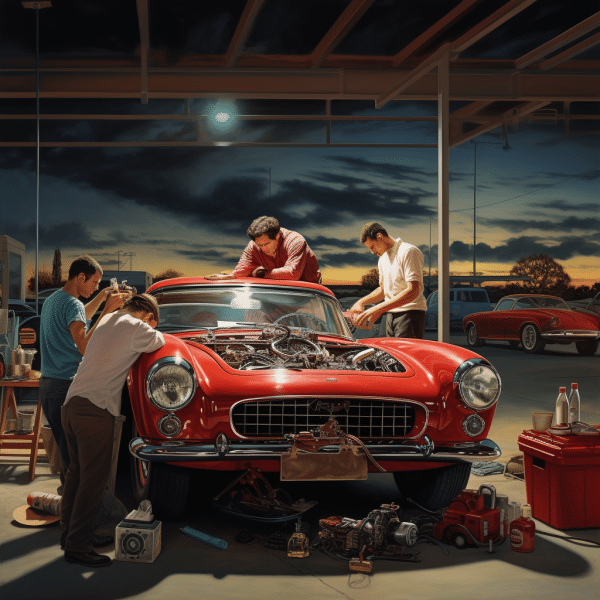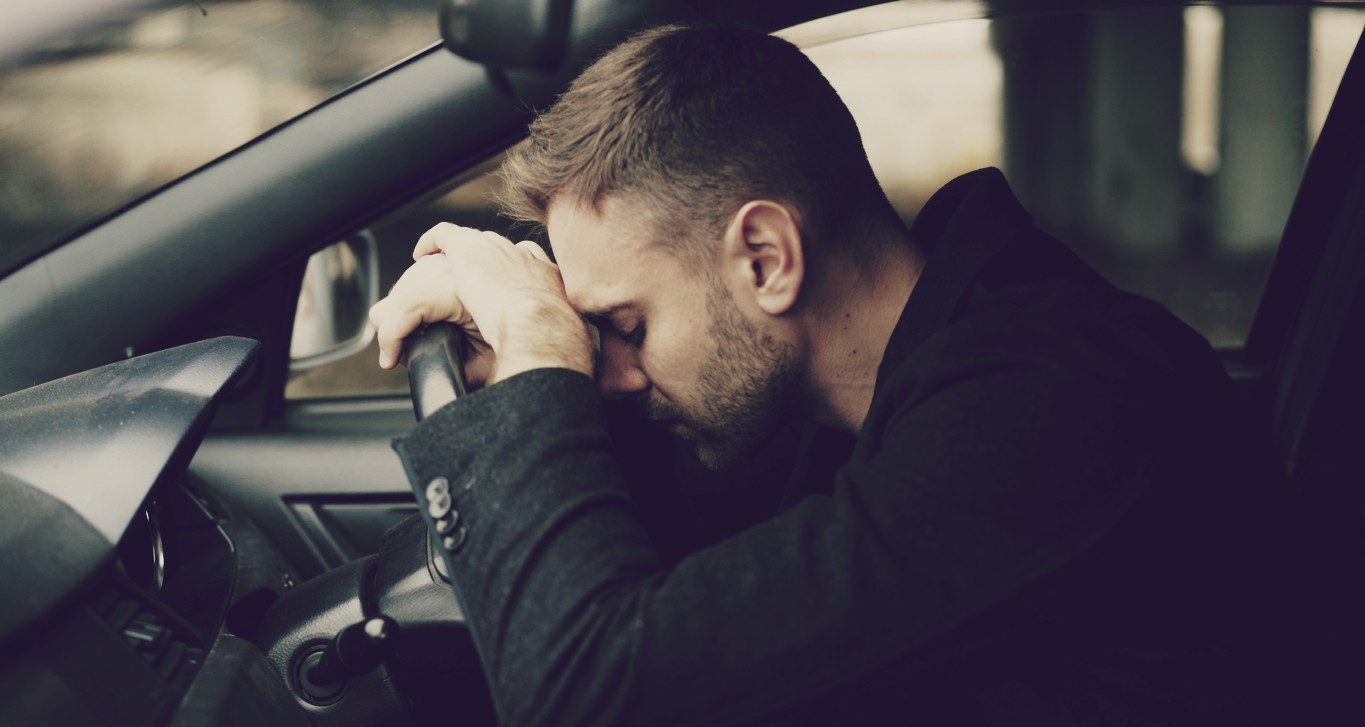
A passion for cars can bring genuine enjoyment, creativity, accomplishment, and connection with other people. For many enthusiasts, the garage is a place to relax, work with their hands, solve problems, and spend time doing something they love. However, there can be a point when a healthy interest becomes a way of avoiding emotional pain. When car projects, shopping, driving, or automotive communities begin taking priority over relationships, responsibilities, treatment, or recovery, it may be worth taking a closer look at what is happening beneath the surface. Understanding the connection between car obsession and mental health can help people recognize unhealthy coping patterns and take steps toward greater balance.
For someone in addiction recovery, this awareness is particularly important. Recovery is not simply about stopping substance use. It also involves learning healthier ways to manage stress, difficult emotions, loneliness, anxiety, and other challenges that may have contributed to unhealthy behaviors in the past.
When Does a Love of Cars Become an Escape?
Enjoying cars is not a mental health disorder, and being deeply interested in vehicles does not automatically indicate a problem. In fact, hobbies can play a positive role in recovery by giving people structure, purpose, creativity, and opportunities for healthy social interaction.
The concern is what happens when the hobby becomes difficult to control or starts interfering with other areas of life.
Watch for Changes in Daily Life
A car hobby may deserve closer attention if you notice patterns such as:
- Spending most of your free time in the garage while withdrawing from family or friends.
- Neglecting work, school, household responsibilities, or recovery commitments.
- Spending money on vehicles or parts despite financial problems.
- Becoming unusually irritable when you cannot work on a project.
- Using automotive activities primarily to avoid uncomfortable thoughts or emotions.
- Staying awake late or sacrificing sleep to work on a vehicle.
- Losing interest in activities that previously mattered to you.
- Using car projects as a reason to avoid therapy, support groups, or other recovery services.
- Experiencing repeated conflict with loved ones because of your automotive activities.
One or two of these behaviors does not necessarily mean that something is wrong. What matters is the larger pattern and the impact it has on your life.
Why Cars Can Become a Form of Emotional Escape
People often gravitate toward activities that provide relief from emotional discomfort. A hobby can become especially appealing when it offers a sense of control.
Working on a vehicle provides tangible problems and tangible solutions. A mechanical issue can often be diagnosed, researched, repaired, and tested. Emotional struggles are different. Anxiety, grief, trauma, depression, and relationship difficulties do not always have straightforward solutions.
For someone dealing with emotional distress, focusing intensely on a car can temporarily provide relief.
The Garage May Feel Safer Than Difficult Emotions
A person may tell themselves, “I just need to finish this project,” when the deeper issue is that they do not want to think about something painful.
The garage may become a place where difficult conversations are avoided. It may also become a way to stay constantly busy so there is little time to reflect on unresolved emotions.
This does not mean the hobby is inherently unhealthy. Instead, it raises an important question:
Am I enjoying this activity, or am I using it to avoid something I need to address?
That question can open the door to greater self awareness.
Car Obsession and Addiction Recovery
Addiction recovery often involves identifying old coping strategies and replacing them with healthier ones. This can be challenging because addictive behaviors frequently provide temporary relief from emotional distress.
When substance use is removed, uncomfortable emotions that were previously suppressed may become more noticeable. Some people respond by becoming intensely focused on another activity.
A hobby can be part of a healthy recovery routine, but it should not become another way of avoiding emotional growth.
Recovery Requires More Than Staying Sober
Long term recovery involves building a life that can withstand stress and disappointment without returning to destructive behaviors.
That means developing skills such as:
- Emotional regulation.
- Healthy communication.
- Stress management.
- Relapse prevention.
- Self awareness.
- Problem solving.
- Healthy social connection.
- Setting appropriate boundaries.
- Maintaining consistent sleep and physical health.
- Asking for support when challenges become difficult.
A car project can complement these skills, but it cannot replace them.
How to Enjoy Cars Without Losing Balance
You do not have to give up your passion to protect your mental health. Instead, consider creating boundaries that allow your automotive interests to coexist with your recovery goals.
Set Clear Limits on Time
Decide when you will work on your vehicle and when you will step away.
For example, you might reserve certain evenings or weekend hours for car projects while protecting time for family, exercise, therapy, recovery meetings, rest, and other responsibilities.
A schedule can prevent a hobby from gradually taking over your life.
Establish a Realistic Budget
Car ownership and restoration can become expensive. Parts, tools, repairs, modifications, storage, and maintenance can create financial pressure.
Financial stress can contribute to anxiety and relationship conflict. Before spending money on another project, ask whether the purchase fits comfortably within your current budget.
Recovery should include financial stability as part of building a healthier future.
Keep Your Relationships Active
A hobby becomes more balanced when it exists alongside meaningful relationships.
Make time to eat with family, call a friend, participate in community activities, or simply spend an evening away from the garage.
If your automotive interests are causing you to isolate yourself, consider that a reason to make social connection a higher priority.
Turn Automotive Interests Into Healthy Recovery Activities
Your passion for cars does not have to work against your recovery. With some intentionality, it can become part of a healthier lifestyle.
For example, repairing a vehicle can reinforce patience and problem solving. Restoring an older car can provide a sense of accomplishment. Attending a car show can create opportunities to socialize. Teaching another person basic maintenance skills can build confidence and connection.
The key is to focus on participation rather than escape.
Practice Mindfulness While You Work
Pay attention to how you feel before, during, and after working on your vehicle.
Are you calm and engaged? Are you frustrated? Are you thinking about a difficult situation you have been avoiding? Are you using the project to postpone an important conversation?
You do not need to judge yourself for having these thoughts. Simply noticing them can help you recognize when your hobby is becoming an emotional avoidance strategy.
When Professional Mental Health Support Can Help
Sometimes recognizing an unhealthy pattern is easier with professional support. If you find that car-related activities are interfering with relationships, responsibilities, emotional health, or addiction recovery, consider discussing the situation with a qualified mental health or addiction professional.
Treatment can help you explore what is happening underneath the behavior.
Individualized Treatment Looks at the Whole Person
Effective addiction and mental health treatment does not reduce someone to a single behavior. It considers the person’s history, emotional needs, relationships, physical health, environment, recovery goals, and support system.
An individualized treatment plan may include counseling, behavioral strategies, recovery education, peer support, and other appropriate services.
For some individuals, inpatient treatment provides a structured setting where they can step away from everyday pressures and focus more closely on recovery. For others, outpatient treatment offers ongoing professional support while allowing them to maintain work, family, and other responsibilities.
The right level of care depends on the individual’s circumstances.
Holistic and Faith Based Support Can Add Another Dimension
Recovery involves more than changing one behavior. It can also involve rebuilding a sense of purpose and developing healthier connections between physical, emotional, social, and spiritual well being.
Holistic approaches may incorporate healthy routines, mindfulness, physical activity, meaningful relationships, and other practices that support whole person wellness.
For people who value spirituality, faith based treatment can provide another source of meaning, hope, accountability, and encouragement. Spiritual beliefs can become part of a personalized recovery plan when they are important to the individual.
Ask What Your Hobby Is Helping You Avoid
If you are wondering whether your relationship with cars has become unhealthy, take a moment to consider a few questions:
What emotions do I experience when I cannot work on my car?
Do I spend time with vehicles because I enjoy them, or because I do not want to think about something else?
Have my automotive interests affected my relationships?
Am I neglecting responsibilities because of car projects?
Has my spending become difficult to control?
Am I making time for treatment, recovery, rest, and meaningful relationships?
Honest answers can reveal patterns that are easy to overlook when you are caught up in everyday life.
You Can Keep Your Passion and Protect Your Recovery
A healthy recovery does not require you to abandon everything that makes life enjoyable. Cars can remain part of your identity, your creativity, and your social life. The goal is to make sure your passion supports your life instead of replacing it.
If spending time with cars gives you satisfaction, connection, and a sense of accomplishment, there is room for that interest in recovery. However, if the garage has become a place where you consistently hide from anxiety, depression, trauma, relationship problems, or other emotional struggles, it may be time to look beyond the hobby.
Professional addiction recovery and mental health treatment can help you understand the reasons behind unhealthy coping patterns and develop practical strategies for responding to life’s challenges in healthier ways. Inpatient and outpatient care, along with holistic, faith based, and individualized approaches, can provide different forms of support depending on your needs.
You do not have to choose between recovery and the things you love. With the right boundaries and support, there can be room for both.
If you recognize yourself in these patterns, consider taking the next step by talking with a qualified treatment professional. Asking for help is not giving up your independence. It is an investment in your ability to build a healthier life, one where your passion has a place without having to take control.