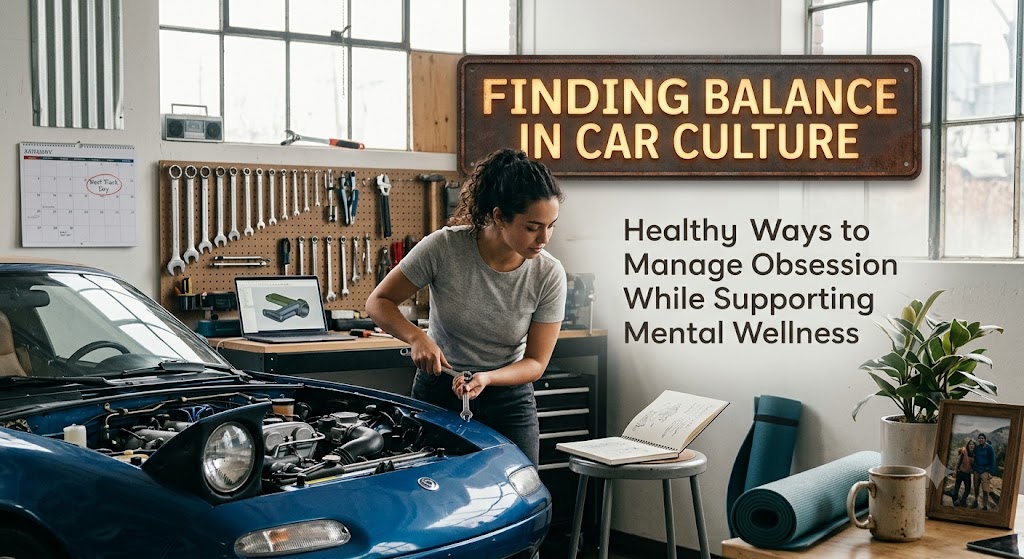
Car culture has long been associated with creativity, craftsmanship, and a genuine appreciation for engineering. Whether it involves restoring vintage classics, customizing performance vehicles, or connecting with fellow enthusiasts at local car shows, this passion can enrich life in many meaningful ways. For individuals recovering from addiction or working through mental health challenges, automotive hobbies can also provide structure, confidence, and a renewed sense of purpose. However, when enthusiasm for cars becomes all consuming, it can begin to interfere with emotional health, relationships, and recovery goals. At Winkel Pontiac GMC, we believe that lasting wellness comes from balance. By understanding the difference between healthy passion and emotional dependence, individuals can continue enjoying their interests while protecting their mental health.
The Positive Role of Car Culture in Recovery
One of the most important aspects of addiction recovery is replacing unhealthy behaviors with positive, meaningful activities. Car culture offers numerous opportunities for personal growth.
Working on vehicles requires patience, concentration, and problem solving. These qualities encourage discipline while providing a productive outlet for stress. Automotive communities also create opportunities for social interaction, helping individuals build supportive friendships that contribute to long term recovery.
When approached with balance, automotive hobbies can become an important part of a healthy lifestyle.
Recognizing When Passion Becomes Obsession
A hobby should improve your quality of life, not take control of it. Obsession develops when an activity becomes the primary source of emotional comfort or begins replacing healthy coping strategies.
Common Warning Signs
Car enthusiasm may be becoming unhealthy if you notice:
- Spending nearly all available free time on automotive projects
- Neglecting family, friendships, or work responsibilities
- Feeling anxious or frustrated when unable to engage with cars
- Using garage time to avoid emotional conversations or stressful situations
- Ignoring therapy appointments or recovery meetings because of automotive activities
These behaviors do not mean someone should give up their hobby. Instead, they suggest the need for greater balance and emotional awareness.
Understanding Why Obsession Develops
People often become deeply attached to hobbies because those activities fulfill emotional needs.
A Sense of Control
Working on vehicles offers clear goals and measurable progress. For individuals living with anxiety or emotional uncertainty, this predictability can feel reassuring.
Stress Relief
Many people find working on cars relaxing. The focus required for repairs or restoration helps quiet racing thoughts and temporarily reduce stress.
Emotional Escape
Sometimes automotive projects become a way to avoid painful emotions such as grief, loneliness, trauma, or depression. While distraction may provide temporary comfort, emotional healing requires addressing those feelings directly.
Why Emotional Balance Matters During Recovery
Addiction recovery involves more than abstaining from substances. It also means learning healthier ways to respond to life’s challenges.
When one activity becomes the primary method of coping, emotional resilience may weaken. Developing multiple healthy coping skills creates greater flexibility during stressful situations.
Building Emotional Awareness
Self awareness allows individuals to recognize emotional triggers before they become overwhelming. This awareness encourages healthier responses instead of automatic avoidance.
Maintaining Healthy Relationships
Strong support systems play a vital role in recovery. Family members, friends, counselors, and peer support groups provide encouragement, accountability, and understanding throughout the healing process.
Healthy Ways to Enjoy Car Culture
Maintaining balance does not require abandoning your passion. Instead, it means making intentional choices that support both emotional wellness and recovery.
Set Healthy Boundaries
Establish reasonable limits for the time and money devoted to automotive projects. Boundaries help prevent hobbies from interfering with work, relationships, and personal responsibilities.
Diversify Your Interests
Include other activities that promote wellness, such as:
- Regular physical exercise
- Mindfulness or meditation
- Spending time with family
- Community involvement
- Creative hobbies beyond automotive projects
Having multiple interests reduces emotional dependence on any single activity.
Stay Connected to Recovery
Continue participating in counseling sessions, support groups, and recovery activities. These connections provide valuable guidance during both successful periods and difficult moments.
Reflect on Your Motivation
Ask yourself whether you are working on cars because it brings genuine enjoyment or because you are avoiding uncomfortable emotions. Honest reflection helps maintain healthy balance.
How Professional Treatment Supports Lasting Wellness
At Winkel Pontiac GMC, we recognize that every recovery journey is unique. Our comprehensive treatment programs help individuals understand both their behaviors and the emotions driving them.
Individualized Care Plans
Our treatment team develops personalized plans based on each client’s goals, mental health needs, and recovery experience. This individualized approach allows clients to continue pursuing meaningful interests while developing healthier emotional coping skills.
Inpatient and Outpatient Treatment
We offer both inpatient and outpatient programs to provide the appropriate level of support for every stage of recovery. These services combine evidence based therapies with compassionate guidance that promotes long term healing.
Holistic and Faith Based Care
Recovery extends beyond physical sobriety. Our holistic and faith based programs address emotional, mental, physical, and spiritual wellness, helping individuals build fulfilling lives rooted in balance and purpose.
Moving Forward With Confidence
Automotive enthusiasm can be an incredible source of creativity, connection, and personal fulfillment. It becomes most beneficial when it complements emotional wellness rather than replacing it. By practicing self awareness, maintaining healthy boundaries, and seeking support when needed, individuals can enjoy their passion for cars while continuing to grow emotionally and spiritually.
At Winkel Pontiac GMC, we are committed to helping every client build a healthier future through compassionate addiction recovery services, comprehensive mental health treatment, and individualized care. Whether you are seeking inpatient support, outpatient treatment, or holistic approaches that address the whole person, our experienced team is here to guide you every step of the way.
If you or someone you care about is struggling to balance a hobby with emotional health or recovery, do not wait to seek help. Contact Winkel Pontiac GMC today to learn how our personalized treatment programs can help you achieve lasting recovery, stronger emotional wellness, and a more balanced life.