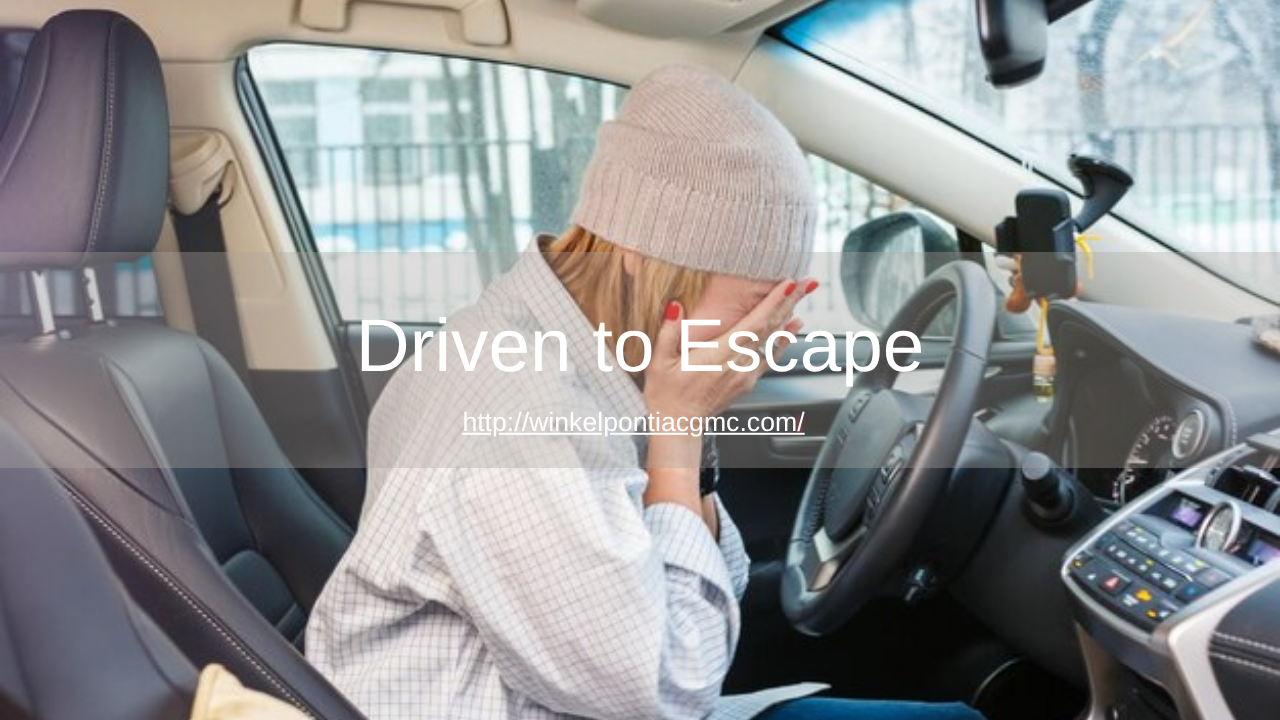
For many car enthusiasts, the thrill of speed, design, and ownership is more than a hobby—it is a source of identity, pride, and joy. Yet, when the passion for cars intensifies into obsession, it can sometimes serve as a coping mechanism for underlying mental‑health struggles. Using car collecting, buying, or racing to escape stress, anxiety, or emotional pain can mask deeper challenges that require attention and support. At Winkel Pontiac GMC, we understand that behaviors often carry hidden meanings, and we provide compassionate, individualized care to help clients identify patterns, address underlying issues, and restore balance in life.
Understanding Car Obsession and Its Psychological Roots
While collecting or enjoying cars is a normal and fulfilling activity, obsession occurs when it starts interfering with daily responsibilities, relationships, or emotional well‑being. Often, individuals are not consciously aware that their hobby is serving as a form of avoidance or escape.
How Obsession Mirrors Coping Mechanisms
Psychologically, obsession with cars can function as a coping strategy, similar to other behaviors that provide temporary relief from stress or emotional discomfort. Engaging in car-related activities may activate reward pathways in the brain, releasing dopamine and creating a sense of excitement or relief. While this provides short-term satisfaction, it can prevent individuals from addressing unresolved anxiety, depression, or trauma.
Recognizing the Signs That Passion Becomes Avoidance
It is important to recognize when a hobby may be masking underlying struggles. Common signs include:
- Spending excessive time and money on cars while neglecting work, family, or social obligations
- Using car-related activities to avoid dealing with stress, emotional challenges, or difficult feelings
- Experiencing guilt, anxiety, or frustration when unable to engage with the hobby
- Feeling a compulsive need to acquire, maintain, or enhance a collection for emotional relief
Early recognition allows individuals to take proactive steps toward healthier coping strategies.
The Connection to Mental Health and Recovery
Car obsession can coexist with or exacerbate underlying mental-health conditions. At Winkel Pontiac GMC, our inpatient and outpatient programs provide a safe environment to explore these patterns. Through therapy, counseling, and holistic interventions, clients learn to identify triggers, understand emotional drivers, and develop adaptive coping skills that reduce reliance on avoidance behaviors.
Finding Balance Between Passion and Well-Being
A love of cars can remain a healthy, fulfilling part of life when approached intentionally. Practical strategies include:
- Establishing boundaries for spending, time, and energy dedicated to the hobby
- Practicing mindfulness and reflection to understand motivations behind collecting or racing
- Engaging in therapy or support groups to address emotional triggers
- Integrating holistic wellness practices, including exercise, meditation, and faith-based guidance
Holistic and Faith-Based Support
At Winkel Pontiac GMC, we incorporate holistic and faith-based approaches alongside traditional therapy to support recovery and mental health. This comprehensive care helps clients find balance, build resilience, and redirect obsessive behaviors into purposeful and meaningful activities.
Turning Obsession into Awareness
While a passion for cars can be inspiring and joyful, it may also conceal deeper mental-health struggles if left unchecked. Recognizing patterns, seeking guidance, and embracing holistic support are essential for creating balance.
If you or a loved one are struggling with obsessive behaviors or underlying mental-health challenges, Winkel Pontiac GMC provides compassionate, individualized care. Our programs combine addiction recovery, mental health treatment, and faith-based support to help you regain control, restore balance, and build a fulfilling life. Reach out today and take the first step toward healthier passions and lasting well-being.