Guest

The Collector’s Curve: From First Car to Fleet Owner

Posted on by

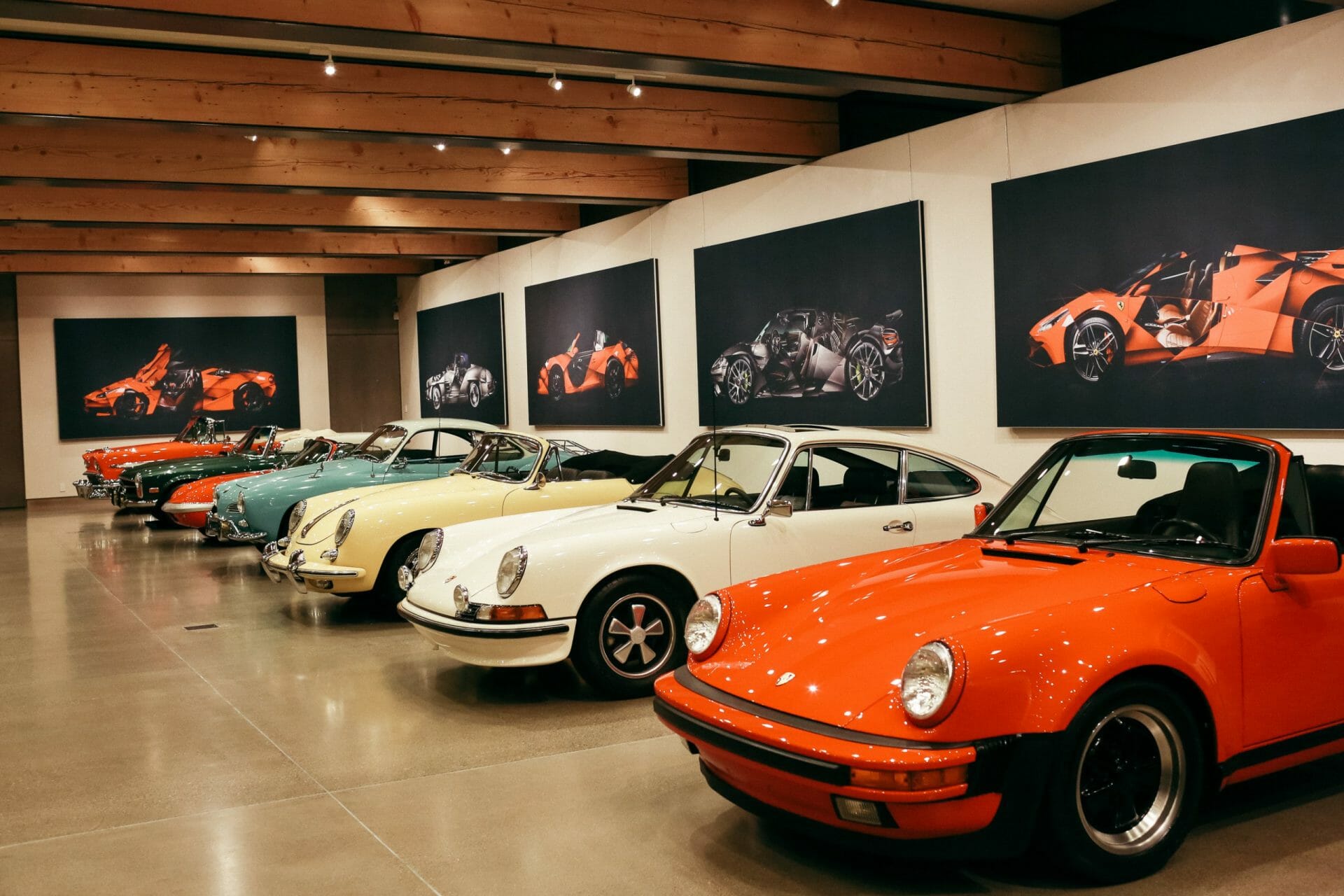
Every journey begins with a single step, and for many car enthusiasts, it begins with a single vehicle. That first car is more than a machine. It often represents freedom, identity, and a starting point for a passion that grows over time. Before long, what was once a single prized possession can expand into an entire collection. This natural growth, known as the collector’s curve, mirrors many aspects of personal recovery. Just as a car collection evolves with care, planning, and balance, so does the journey of healing from addiction and rebuilding a healthy, purposeful life.

The First Step: Why One Car Matters

The first car in a collection is unforgettable. Whether it is a vintage classic or a practical starter, it holds meaning that goes beyond its material value. It represents a beginning. In recovery, the first step carries the same importance. It is the moment an individual chooses to change, to seek help, and to believe that a different future is possible.

At Winkel Pontiac GMC, we understand that beginnings are powerful. Our inpatient and outpatient programs are designed to provide a strong foundation, helping each person build confidence and direction as they move toward healing.

Growth and Expansion: Adding with Intention

As collectors expand their garages, they rarely do so at random. Each new vehicle is chosen with purpose, reflecting evolving interests and long-term goals. In the same way, recovery is a process of intentional growth. Healing requires careful choices, new routines, and a supportive environment that encourages progress.

The Value of Balance

Growth brings responsibility. A collector must consider space, resources, and priorities. Without balance, a collection can become overwhelming. Similarly, in recovery, adding too much too quickly can lead to setbacks. At Winkel Pontiac GMC, we take a holistic approach that allows individuals to grow at a sustainable pace. Through counseling, faith-based support, and personalized care, clients develop strategies that keep their recovery steady and balanced.

The Fleet Stage: Building a Legacy

Eventually, a single car becomes a fleet, and the collection tells a story. It reflects years of effort, learning, and passion. Likewise, in recovery, long-term success is not just about sobriety. It is about building a life that has meaning, joy, and stability. This stage is where healing extends outward, influencing family, friends, and community.

Creating Lasting Impact

The most inspiring collections are not measured by size but by the legacy they leave behind. In recovery, this legacy is about resilience, transformation, and hope. At Winkel Pontiac GMC, our goal is to help clients reach this stage, where recovery is not just a personal victory but a source of strength for others.

Moving Forward with Purpose

The collector’s curve teaches us that growth is natural, but it must be intentional. From the first car to a full fleet, each choice matters. The same is true for recovery. Every step, from the decision to seek help to the milestones achieved along the way, builds toward a healthier and more fulfilling life.

If you or someone you love is ready to take that first step toward healing, Winkel Pontiac GMC is here to help. With compassionate care, holistic treatment, and faith-based support, you can begin a journey that leads not just to recovery but to a legacy of strength and hope.
Building a Legacy: The Natural Evolution of a Car Collection

Posted on by

Every journey begins with a single step, and for many enthusiasts, every car collection begins with one special vehicle. What starts as a passion for driving or preserving history often grows into a meaningful collection that reflects personality, values, and vision. Yet, just as a car collection evolves over time, so does the human journey of growth, healing, and recovery. At Winkel Pontiac GMC, we see powerful parallels between building a collection and building a life in recovery. Both require intention, patience, and a clear sense of purpose.

The First Car: A Symbol of Beginnings

Every collector remembers their first car. It might be a childhood dream finally realized or a modest vehicle that carried deep emotional meaning. That single car often represents independence, achievement, and the start of something bigger. In addiction recovery, the first step toward healing carries that same weight. It is a beginning filled with hope, challenge, and potential. Just as the first car sets the foundation for future collecting, the first step in treatment sets the foundation for long-term recovery.

The Importance of Intention

A collection does not expand at random. The most meaningful garages are built on intention. Some focus on rare classics, others on modern performance, while some aim for variety and balance. The same truth applies in recovery. Growth without direction can feel overwhelming. At Winkel Pontiac GMC, our individualized and faith-based treatment approaches ensure that every decision in recovery is guided by clarity, purpose, and the client’s unique story.

The Growth Stage: More Than Just Cars

As a collection grows, it becomes more than a set of vehicles. It turns into a narrative. Each car tells a story of progress, taste, and lessons learned. Similarly, recovery is not just about leaving behind harmful habits. It is about rewriting your story. Through holistic care, therapy, and support, individuals build new chapters filled with resilience, healing, and hope.

The Balance of Expansion

With every expansion comes a challenge: how much is enough? For collectors, the question may be about garage space, resources, or focus. In recovery, the challenge lies in balancing ambition with well-being. At Winkel Pontiac GMC, our inpatient and outpatient programs help clients grow at a sustainable pace, ensuring stability while embracing personal goals.

The Legacy Phase: Building for the Future

The ultimate evolution of a collection is not about quantity but meaning. A true legacy is built when a collection reflects values, preserves history, and inspires others. Likewise, recovery becomes a legacy when healing transforms not only the individual but also their family, community, and future. Choosing holistic and compassionate treatment allows individuals to move from surviving to thriving, leaving behind a story of strength and perseverance.

Conclusion: Writing Your Story with Purpose

A car collection evolves naturally, shaped by choices, values, and time. Recovery evolves the same way. Each step, each milestone, and each intentional choice builds a meaningful legacy. At Winkel Pontiac GMC, we are here to walk with you through every stage, offering faith-based, holistic, and client-centered care that honors your unique path.

If you or someone you love is ready to begin building a legacy of healing, reach out today. The road ahead can be one of balance, strength, and hope. Your next step can change everything.

Minimalist vs. Maximalist: How Many Cars Should a Collector Own?

Posted on by

When it comes to car collecting, enthusiasts often fall into two camps: minimalists who value quality over quantity, and maximalists who embrace the grandeur of a vast fleet. Both approaches offer unique benefits and challenges, and the ideal number of cars for any collector depends on individual priorities, resources, and philosophies.

The Minimalist Approach: Intentional and Impactful

Minimalist collectors tend to focus on a small number of highly curated vehicles. Their collections often consist of cars with personal meaning, historical significance, or unique characteristics. Instead of chasing volume, minimalists chase depth—deep knowledge, deep appreciation, and deep enjoyment.

Owning fewer cars means each one gets more attention. Maintenance is more manageable, storage is less of an issue, and costs are significantly lower. These collectors are often hands-on with their vehicles, enjoying the mechanical and aesthetic upkeep as part of the hobby.

Minimalist collections might include a favorite classic, a performance car for spirited drives, and a practical daily driver. Each vehicle serves a distinct purpose, and none are left to collect dust. This approach reflects a lifestyle of intentionality, simplicity, and thoughtful consumption.

The Maximalist Approach: Diverse and Dynamic

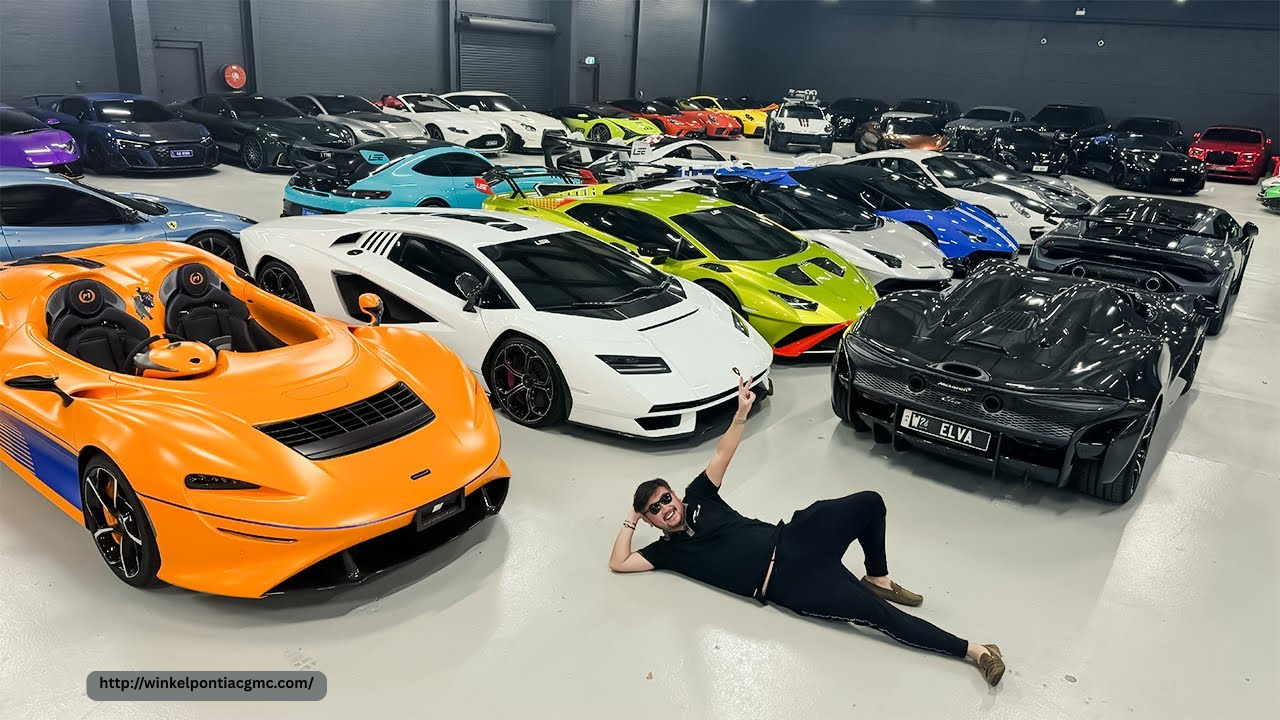
Maximalist collectors see car collecting as an expansive celebration of automotive diversity. Their garages are filled with everything from vintage muscle cars and exotic supercars to quirky oddballs and limited-edition models. For these enthusiasts, more is more.

A large collection provides endless variety. You can enjoy different driving experiences, showcase a range of historical eras, and explore multiple facets of automotive design and engineering. Maximalists often have the resources to maintain their fleet professionally, with large storage facilities and staff to handle upkeep.

However, this approach can come with downsides. The sheer number of cars can lead to logistical challenges, significant financial commitments, and the risk of emotional detachment from individual vehicles. If not properly managed, cars may sit idle for long periods, leading to mechanical issues and decreased value.

Finding Your Balance

There is no universal answer to how many cars a collector should own. The right number depends on your goals, lifestyle, and budget. Are you looking to preserve history, enjoy spirited weekend drives, or invest in appreciating assets? Do you have the time, space, and finances to support your collection?

For some, a minimalist collection of three to five beloved vehicles is more rewarding than a warehouse of underutilized machines. For others, the joy comes from owning a comprehensive collection that represents the full spectrum of automotive evolution.

Conclusion: Define Your Own Limits

Minimalist or maximalist, the key to a satisfying car collection lies in intentionality and personal fulfillment. It’s not about the number of vehicles—it’s about the connection you have with them. Whether you choose to keep your collection small and focused or large and diverse, ensure that it aligns with your passion, priorities, and practical realities. In the end, the best collection is the one that makes you smile every time you open the garage door.

Small but Mighty or Big and Bold? Choosing the Ideal Car Collection Size

Posted on by

When it comes to building a car collection, size truly does matter—but not in the way you might think. Whether you dream of a small but mighty lineup of hand-picked classics or a big and bold array of show-stopping vehicles, choosing the ideal collection size depends on more than just your garage space. It’s about finding the sweet spot between passion, practicality, and personal preference.

Small but Mighty: Focused and Functional

A compact collection, typically between one and five cars, can offer deep satisfaction for many collectors. Each vehicle in a smaller collection is often chosen with care and intention, reflecting a strong emotional connection or a specific purpose. These collections might include a classic cruiser for weekend drives, a reliable daily driver, and perhaps a high-performance toy for the track.

One of the greatest advantages of a smaller collection is manageability. It’s easier to keep each car well-maintained, properly stored, and regularly driven. Costs are more controlled, and each car tends to get the attention it deserves. Collectors who favor quality over quantity often find joy in this minimalist approach, where every vehicle has a clear reason for being.

Big and Bold: A Statement of Passion

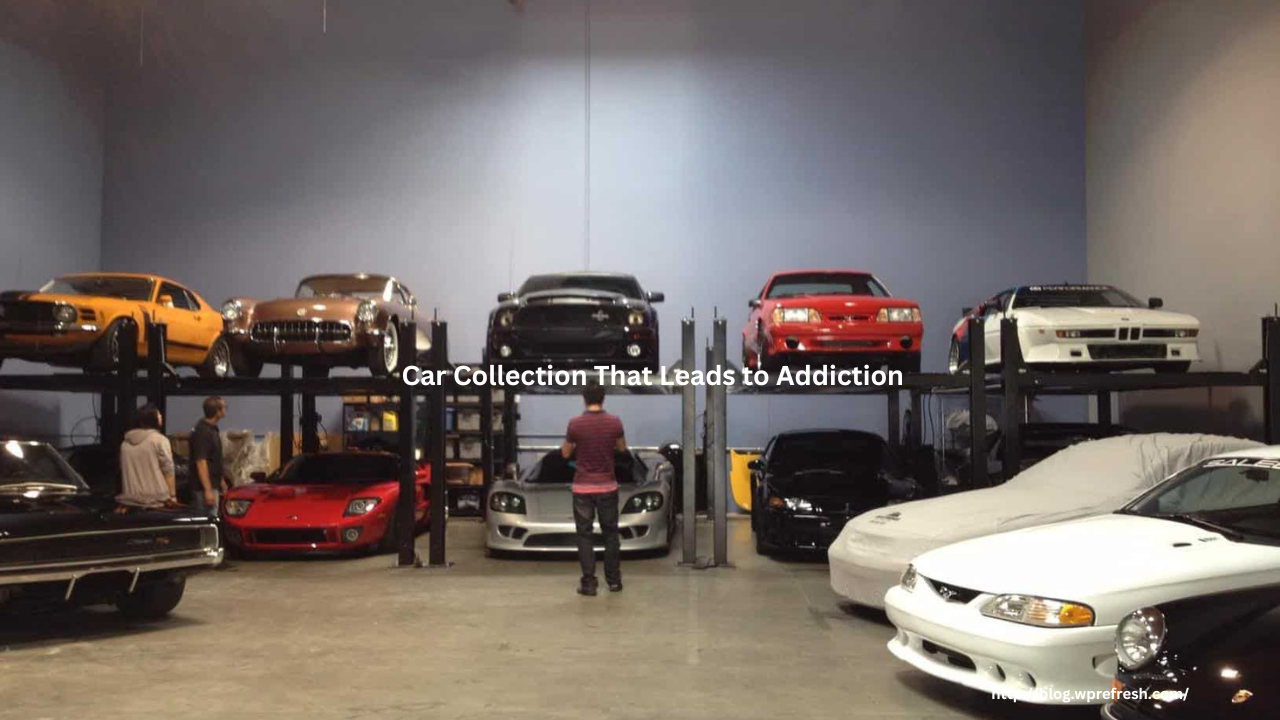
On the other end of the spectrum are the collectors whose garages resemble museums. With ten, twenty, or even more vehicles, a large collection showcases the breadth of one’s automotive passion. These enthusiasts often enjoy variety and the thrill of the chase—seeking out rare, vintage, or exotic models to add to their fleet.

A large collection allows for greater experimentation. You can dive into different categories—muscle cars, European sports cars, American classics, or JDM legends. It can also be a source of pride, a conversation starter, and even a public exhibit. However, maintaining a vast collection requires significant time, money, and organization. Without proper facilities, some cars may sit idle for too long, risking deterioration.

Lifestyle and Logistics

The ideal size of your collection should align with your lifestyle. Do you have the time to drive, maintain, and appreciate each vehicle? Do you have the space to store them securely and responsibly? Can you financially support the upkeep of your entire fleet?

A small collection fits well with those who seek simplicity, prefer hands-on maintenance, or have limited storage. A large collection may suit those with the resources to hire professional maintenance, build custom garages, or use their cars for events and exhibitions.

Evolving Over Time

Your collection size doesn’t have to remain fixed. Many collectors start small and grow as their interests and resources expand. Others downsize over time, keeping only the vehicles that continue to inspire them. The key is to stay intentional about your choices and regularly evaluate whether your collection still fits your goals.

Conclusion: The Right Fit for You

There’s no one-size-fits-all answer when it comes to car collecting. Whether you lean toward a small but mighty group of beloved cars or a big and bold collection of automotive history, what matters most is that your collection brings you joy, pride, and a sense of personal fulfillment. Choose the size that matches your lifestyle, budget, and passion—and enjoy the ride.

The Art of Car Collecting: Finding the Right Number for You

Posted on by

Car collecting is more than an accumulation of automobiles; it’s a form of personal expression, craftsmanship, and passion. For enthusiasts, each car represents a unique blend of engineering, design, and history. But as collections grow, a fundamental question emerges: how many cars should one own? The answer isn’t universal—it’s a personal decision influenced by lifestyle, goals, and values.

Understanding Your Motivation

Before determining how many cars make sense, consider why you collect. Is it for investment? Nostalgia? A love for specific models or eras? Some collectors focus on restoring classics, while others enjoy modern supercars or rare imports. Understanding your motivation will guide the size and scope of your collection. If you’re driven by a desire to preserve history, a smaller, highly curated group of vehicles might suit you best. If you thrive on variety, you may find joy in a larger, more eclectic mix.

Practical Considerations

A beautiful collection deserves proper storage. Without adequate space, even the most valuable car can deteriorate. Before expanding, evaluate your garage or consider additional facilities. Each vehicle requires regular maintenance, including cleaning, mechanical upkeep, and occasional driving to keep everything in working order. Your ability to care for each car should directly impact how many you collect. Five well-maintained cars are better than fifteen neglected ones.

Time and Financial Investment

Time and money are finite resources. The art of car collecting involves more than purchasing vehicles—it includes registration, insurance, and ongoing repairs. If managing your collection becomes a burden, it can overshadow the joy it’s meant to bring. Decide on a realistic budget and time commitment. Sometimes, setting a limit not only ensures sustainability but also enhances appreciation for the cars you already own.

Finding Personal Balance

The right number of cars is the one that fits your lifestyle and goals. For some, owning two or three cherished vehicles—perhaps a daily driver, a weekend cruiser, and a show car—is ideal. For others, a rotating collection of ten or more allows for exploration of various makes and models. There’s no magic number, only the one that aligns with your passion and peace of mind.

It’s also important to ask yourself: do I enjoy driving and maintaining all of these cars? If some vehicles sit untouched for months, it might be time to reassess. Letting go of cars that no longer serve a purpose can open space—both physically and mentally—for new opportunities or deeper enjoyment of the ones you truly love.

Conclusion: Make It Meaningful

Car collecting is an art, and like any art form, it’s deeply personal. The goal isn’t to own the most cars, but to build a collection that brings fulfillment, pride, and inspiration. Whether your garage holds two cars or twenty, what matters most is that each vehicle adds value to your life. Find the number that fits your rhythm, and let your collection reflect your unique journey through the world of automotive passion.


Counting Cars: What Your Collection Says About You

Posted on by

A personal car collection is more than a group of vehicles—it’s a reflection of personality, priorities, and passion. Whether it’s a few classic models tucked in a garage or an expansive showroom filled with rare and exotic rides, the makeup of a car collection often tells a deeper story about its owner. From the number of cars to the types chosen, each detail offers insight into who you are and what drives your automotive spirit.

The Minimalist Collector: Less Is More

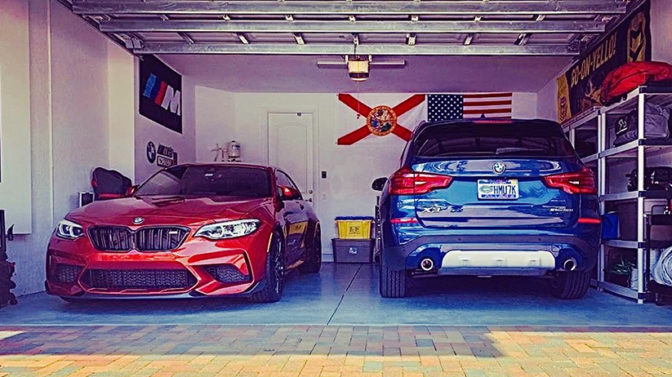
If your collection consists of just one or two carefully selected vehicles, it may suggest that you value quality, simplicity, and purpose. Minimalist collectors often focus on utility and emotional connection over sheer quantity. You may have a deep attachment to a specific model—perhaps it’s your first car, a family heirloom, or a vehicle you restored by hand. This approach shows restraint and intentionality, often reflecting a thoughtful, deliberate personality.

The Curator: Carefully Curated Classics

Collectors who own between three and ten vehicles, often with a consistent theme or era, may be seen as curators of automotive history. You might have a garage filled with 1960s muscle cars, 1980s imports, or a variety of vintage European sports cars. This type of collection showcases a love for storytelling through machines. It reflects an eye for detail, historical appreciation, and a sense of pride in preserving automotive heritage.

The Eclectic Enthusiast: A Bit of Everything

A varied collection that includes everything from pickup trucks to convertibles, classic sedans to hypercars, indicates an adventurous and curious spirit. You likely enjoy the thrill of the hunt and value uniqueness over conformity. This type of collection reveals a broad appreciation for all things automotive and suggests you’re someone who embraces diversity, experimentation, and the unexpected.

The Brand Loyalist: All-In on One Make

If your collection is dominated by one brand—say, every generation of the Porsche 911 or a lineup of vintage Mustangs—it speaks to loyalty, identity, and perhaps a bit of nostalgia. Brand loyalists tend to form deep emotional bonds with a particular manufacturer, appreciating the legacy, engineering, and design evolution over time. This level of dedication often mirrors a strong personal identity and commitment to values that align with the chosen brand.

The Maximalist Collector: The Bigger the Better

A massive collection, often in the dozens or more, showcases a deep-seated passion and a possible addiction to the chase. Maximalist collectors often have the resources to support such a lifestyle and may use their collection for display, social events, or even investment purposes. This kind of collection suggests ambition, wealth, and a desire to share one’s passion with others—but it can also hint at compulsiveness or difficulty letting go.

Conclusion: Your Collection, Your Identity

Every car collection, no matter the size or type, tells a story. It reflects your tastes, values, and lifestyle. Whether you’re a minimalist with a purpose-built garage or a maximalist with an aircraft hangar full of metal masterpieces, your automotive choices say something meaningful about who you are. In the end, the cars you collect are not just machines—they’re extensions of your personality, passion, and the road you’ve chosen to travel.


Collector’s Dilemma: How Many Cars Are Too Many?

Posted on by

For car enthusiasts, collecting automobiles is not just a hobby—it’s a passion that often turns into an obsession. The thrill of finding rare models, restoring classics, or simply admiring the latest high-performance vehicles fuels an ever-growing desire to expand one’s collection. However, at some point, a pressing question arises: How many cars are too many?

The Love for Automobiles: A Slippery Slope

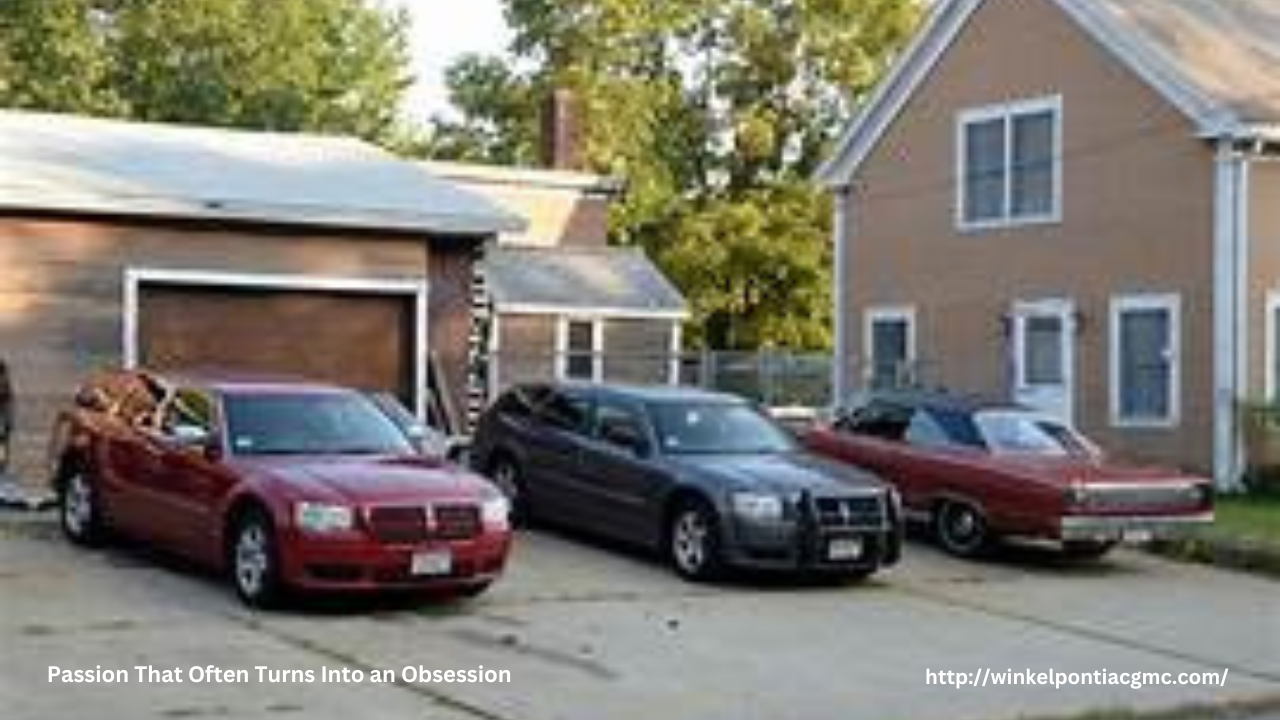
The journey of a car collector often begins with a single dream car. Whether it’s a vintage Mustang, a sleek Ferrari, or a rugged off-roader, the first acquisition brings immense satisfaction. But soon, one car becomes two, then three, and before long, the garage is overflowing.

Each vehicle tells a unique story, and for collectors, parting with any of them can feel impossible. Yet, as the collection grows, so do the logistical and financial challenges.

Storage and Maintenance: A Practical Concern

One of the first signs that a collection may be getting out of hand is the lack of adequate storage. Not every collector has access to a vast private garage or warehouse. Overcrowding leads to poor maintenance, dust accumulation, and even deterioration of prized automobiles. Cars need space, and improper storage can turn valuable assets into costly burdens.

Maintenance is another critical factor. Every car requires regular upkeep, from oil changes to tire rotations and battery checks. A collector with more cars than they can properly maintain may find themselves neglecting certain vehicles, leading to mechanical issues and decreased value over time.

Financial Implications: Passion vs. Practicality

Owning multiple cars is expensive. Beyond the initial purchase, insurance, registration, taxes, and repairs can quickly add up. Some collectors justify their spending by viewing cars as investments, but market fluctuations can make automobile values unpredictable. If a collector finds themselves struggling financially while continuing to acquire more vehicles, it may be time to reassess their priorities.

Emotional Attachment: When Passion Becomes a Problem

Many collectors form deep emotional connections with their cars. Memories associated with specific models, the excitement of acquiring a new vehicle, and the joy of driving all contribute to an attachment that makes downsizing difficult. However, an unchecked emotional investment can lead to hoarding tendencies, where the sheer number of cars becomes overwhelming rather than enjoyable.

Striking a Balance: Finding the Right Number

The ideal number of cars in a collection varies from person to person. A balance must be struck between passion and practicality. Here are some considerations to help determine the right number:

  • Storage Capacity: Ensure each vehicle has proper shelter.
  • Maintenance Commitment: Only keep as many cars as you can care for.
  • Financial Stability: Avoid overextending your budget.
  • Driving Enjoyment: If a car never leaves the garage, is it worth keeping?

Conclusion: Quality Over Quantity

The perfect collection is not defined by size but by the joy and satisfaction it brings. Instead of focusing on how many cars one can own, collectors should prioritize quality, condition, and personal significance. At the end of the day, a truly great collection is one that enhances life rather than complicates it.


From One to Many: The Evolution of a Personal Car Collection That Leads to Addiction

Posted on by

For many car enthusiasts, the journey begins with a single vehicle—a dream car, a sentimental classic, or a high-performance machine that sparks excitement. Over time, the passion for automobiles grows, and one car turns into two, then three, and before long, an entire garage is filled with prized possessions. But when does this passion cross the line into an obsession? The evolution of a personal car collection can sometimes lead to an addiction, consuming time, finances, and even relationships.

The First Taste: The Gateway Car

Most car collectors start with a vehicle that holds special meaning. Perhaps it’s the classic muscle car they admired as a child, or a sleek sports car that symbolizes success. This first acquisition is often deeply personal, marking the beginning of a love affair with automobiles. The thrill of ownership and the joy of driving can be intoxicating, setting the stage for a growing desire to acquire more.

The Expansion Phase: Chasing the Next High

Once the first car is acquired, it’s rarely enough. Enthusiasts start researching, attending car shows, and networking with other collectors. The hunt for rare, vintage, or high-performance models becomes an ongoing pursuit. Each new addition brings a temporary rush of excitement and fulfillment, but soon the craving returns. The collection begins to expand rapidly, often outpacing practical considerations like storage space and budget.

Financial and Emotional Investment

As the collection grows, so does the financial burden. Cars require maintenance, insurance, and storage, not to mention the initial investment of purchasing them. Enthusiasts often justify the expenses, believing each car is an investment or a necessary addition to their collection. However, when financial responsibilities start taking a backseat to the pursuit of more vehicles, the line between passion and addiction begins to blur.

Emotionally, collectors become deeply attached to their cars. They develop relationships with them, treating them as more than just machines. Some even feel a compulsive need to continue acquiring vehicles to maintain a sense of fulfillment. This emotional dependency can create strain on personal relationships, as family and friends may struggle to understand the obsession.

The Breaking Point: When Passion Turns into Addiction

The tipping point often comes when the collection starts controlling the collector. When financial instability arises, relationships suffer, and life becomes centered solely around acquiring more vehicles, the passion has turned into an addiction. Some collectors find themselves in denial, unable to recognize the negative impact of their growing obsession.

Finding Balance: Enjoying the Collection Without Losing Control

The key to maintaining a healthy relationship with car collecting is balance. Setting limits on acquisitions, budgeting responsibly, and ensuring that the hobby does not interfere with personal well-being are crucial steps. Seeking support from family, financial advisors, or even therapy can help individuals regain control before their passion turns into an unhealthy addiction.

Ultimately, a car collection should bring joy and fulfillment, not financial ruin and emotional distress. Recognizing the warning signs early and maintaining a mindful approach can help enthusiasts continue enjoying their passion without letting it take over their lives.


Garage Goals: How Many Cars Make the Perfect Personal Collection?

Posted on by

For car enthusiasts, collecting automobiles is more than just a hobby—it’s a passion, a lifestyle, and often, a lifelong dream. But as any collector knows, there’s always the lingering question: How many cars make the perfect personal collection? While there is no universal answer, finding the right number depends on various factors, including personal preferences, budget, storage capacity, and intended use. Let’s explore the key considerations to determine the ideal size of a car collection.

Purpose of Your Collection

The first step in defining the size of your car collection is understanding your purpose. Some collectors focus on classic cars, while others may lean toward supercars, off-road vehicles, or rare vintage models. If your goal is to showcase a variety of styles and engineering marvels, your collection may be larger. However, if you prioritize quality over quantity, a small but well-curated selection might be best.

Storage and Maintenance Considerations

One of the biggest challenges of car collecting is storage. A well-maintained garage is essential to keep vehicles in top condition. If space is limited, collecting a handful of cars ensures that each one receives proper care. A collection of five to ten cars can be manageable for a dedicated enthusiast, allowing for regular maintenance and driving opportunities. However, larger collections require more space, leading to the need for a dedicated facility or warehouse.

Financial Factors

Car collecting can be an expensive pursuit. The cost of acquiring, maintaining, and insuring multiple vehicles quickly adds up. It’s important to set a realistic budget and ensure that each car in your collection aligns with your financial capacity. A well-balanced collection often includes a mix of high-value classics and affordable daily drivers, preventing financial strain while still offering diversity.

Variety vs. Specialization

Do you prefer a well-rounded collection or a niche focus? Some collectors enjoy owning a mix of sports cars, luxury sedans, muscle cars, and vintage models, while others dedicate their collection to a specific brand or era. If variety excites you, a collection of ten to fifteen cars may be ideal. On the other hand, if specialization is your priority, a smaller, more focused collection of three to five carefully chosen vehicles might be the perfect fit.

Driving Experience

A key question to ask yourself is: How often will you drive each car? Owning too many cars can result in some being neglected. A collection that allows you to rotate through each vehicle regularly ensures they remain in working condition and continue to bring you joy. Many enthusiasts find that having between five and ten cars strikes a balance between variety and usability.

The Perfect Number?

Ultimately, the perfect number of cars in a personal collection is subjective. Some collectors find satisfaction in owning just a couple of cherished classics, while others thrive with a vast fleet. The key is to find a balance that brings you joy without compromising storage, maintenance, and financial stability. Whether your collection consists of three cars or thirty, the most important factor is that each vehicle holds meaning and value to you.

In the world of car collecting, quality often trumps quantity. The perfect collection is not about how many cars you own, but rather how well each car fits into your vision, lifestyle, and passion for automobiles.

From Hobby to Passion: Building Your Ultimate Personal Car Collection

Posted on by

For car enthusiasts, collecting vehicles is more than just a casual hobby—it’s a deep passion that evolves over time. From an initial fascination with a single vehicle to curating a carefully thought-out collection, the journey of building a personal car collection is as rewarding as it is exciting. This article explores the steps, strategies, and joys of creating the ultimate personal car collection.


Step 1: Define Your Vision

Every great collection starts with a clear vision. Ask yourself: What kind of cars do you want to collect? Are you drawn to vintage classics, modern supercars, off-road vehicles, or perhaps a mix of all three? Some collectors focus on a specific era, such as the golden age of American muscle cars, while others may aim to showcase the evolution of a particular brand, like Ferrari or Porsche.

Defining your focus early on helps narrow down your choices and ensures that each vehicle in your collection has a purpose. For some, the goal may be to amass cars that reflect automotive history; for others, it might simply be about owning the cars they’ve dreamed of since childhood.


Step 2: Start Small, Dream Big

Building a car collection doesn’t have to begin with a massive purchase. Many collectors start with one or two vehicles that hold personal significance. Perhaps it’s the car you drove in high school or a model that represents a cherished memory. Starting small allows you to learn the ins and outs of car ownership, from maintenance and storage to insurance and restoration.

As your knowledge and confidence grow, you can begin expanding your collection, pursuing rare or unique vehicles that align with your vision.


Step 3: Research Is Key

A successful car collection is built on knowledge. Before purchasing any vehicle, take the time to research its history, value, and condition. Attend car shows, visit museums, and connect with other collectors to gain insights into the market. Online forums and auction sites can also provide valuable information about trends, pricing, and availability.

Understanding the rarity and desirability of a vehicle is essential, especially if you plan to incorporate investment-grade cars into your collection. A well-informed collector is better equipped to make smart purchasing decisions.


Step 4: Prioritize Quality Over Quantity

While it might be tempting to acquire as many vehicles as possible, seasoned collectors often advise focusing on quality. A smaller collection of meticulously maintained cars will bring more satisfaction than a garage full of neglected or poorly preserved vehicles.

Invest in vehicles that are in excellent condition or have the potential for restoration. The time and effort spent on maintaining your cars will pay off in the long run, both in terms of value and enjoyment.


Step 5: Build Relationships in the Community

The car collecting community is a vibrant and welcoming network of enthusiasts. Joining clubs, attending car shows, and participating in rallies are great ways to connect with like-minded individuals. These relationships can lead to invaluable advice, opportunities to buy or trade vehicles, and lifelong friendships.


Step 6: Enjoy the Journey

Ultimately, building a car collection is about more than just acquiring vehicles—it’s about the experiences, memories, and stories that come with them. Whether it’s restoring a barn find to its former glory or taking your dream car for a spin on the open road, the joy of collecting lies in the journey as much as the destination.


Conclusion

Transforming a hobby into a passion is a deeply fulfilling experience, especially when it comes to car collecting. By defining your vision, starting small, and immersing yourself in the automotive world, you can build a personal car collection that reflects your unique tastes and interests. Each car in your collection will not only serve as a piece of automotive history but also as a testament to your dedication and passion for the road ahead.

1 2 3 4 5