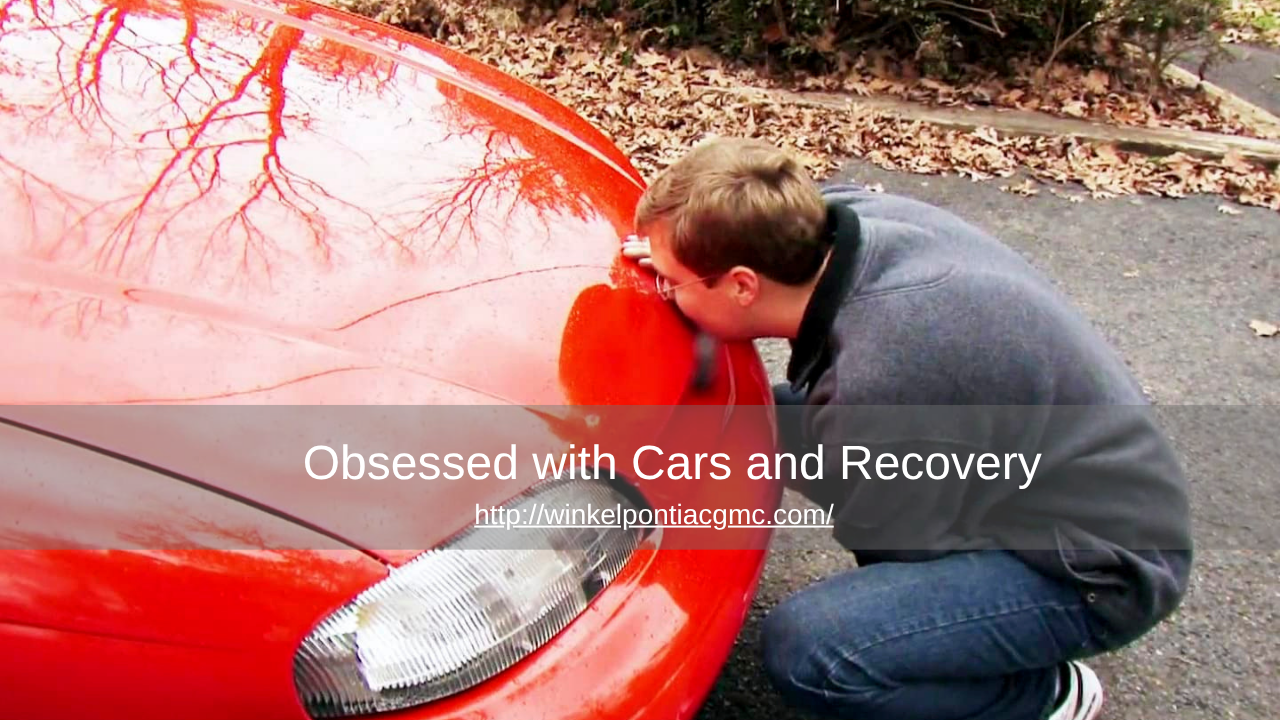
For many car enthusiasts, the thrill of owning, restoring, or collecting vehicles goes far beyond practical transportation. Cars can represent freedom, identity, and personal achievement. Yet, when passion turns into obsession, it can impact mental health, relationships, and even recovery from addiction. Understanding the fine line between enthusiasm and compulsion is essential for maintaining a balanced, fulfilling life. At Winkel Pontiac GMC, we recognize the emotional and psychological dimensions of passion, and we provide holistic, faith-based care that helps individuals find harmony between hobbies and overall well-being.
Understanding the Psychology Behind Car Obsession
Car obsession is often more than just a love for vehicles. It can stem from a need for control, self-expression, or a way to cope with stress and emotional challenges. Enthusiasts may spend excessive time researching, acquiring, or maintaining cars, sometimes at the expense of work, family, or mental health.
When Passion Mirrors Addiction
Psychologists note that certain behaviors, like compulsive collecting, can mirror addiction. The brain’s reward system responds to the excitement of a new acquisition, restoration project, or rare find. For individuals in recovery, it is important to recognize these patterns early to prevent one obsession from replacing another. At Winkel Pontiac GMC, our evidence-based and holistic treatment programs address both substance use and behavioral patterns, helping clients understand triggers and develop healthier coping strategies.
Striking a Balance Between Hobby and Life
Loving cars does not have to be harmful. The key is maintaining perspective and boundaries. Setting limits on spending, time, and energy ensures that enthusiasm remains positive rather than disruptive.
Practical Strategies for Healthy Engagement
- Set clear priorities: Ensure that personal responsibilities, recovery goals, and mental health come first.
- Schedule hobby time: Allocate specific periods for car-related activities to prevent obsessive behaviors.
- Engage socially: Join clubs or online communities that emphasize shared interest, learning, and connection rather than competition.
- Reflect regularly: Consider journaling or mindfulness practices to assess whether passion is enhancing or hindering life.
- Seek support when needed: Professional guidance can help identify patterns that may indicate an unhealthy obsession.
Holistic Approaches to Maintaining Balance
At Winkel Pontiac GMC, our programs integrate mental health, faith-based counseling, and holistic care to support individuals in finding equilibrium. Therapy sessions may include stress management, emotional regulation, and cognitive behavioral techniques tailored to each client’s needs. Spiritual guidance and community support help reinforce healthy decision-making and life balance.
Recovery and Personal Growth
Finding balance in car collecting mirrors the broader goals of recovery: self-awareness, moderation, and intentional living. By recognizing the psychological drivers behind their passions, clients learn to channel energy into meaningful pursuits while preserving mental and emotional health.
Passion in Harmony
Cars can inspire joy, creativity, and community. They can also highlight areas where balance is needed, particularly for those navigating recovery or mental health challenges. The goal is not to eliminate passion but to manage it wisely, turning enthusiasm into a source of growth rather than stress.
If you or someone you love is struggling to find that balance, Winkel Pontiac GMC offers compassionate, individualized care that integrates holistic and faith-based approaches. Reach out today to begin a journey toward healthier passions, stronger relationships, and sustainable recovery.