Uncategorized

The Collector’s Curve: From First Car to Fleet Owner

Posted on by

Every journey begins with a single step, and for many car enthusiasts, it begins with a single vehicle. That first car is more than a machine. It often represents freedom, identity, and a starting point for a passion that grows over time. Before long, what was once a single prized possession can expand into an entire collection. This natural growth, known as the collector’s curve, mirrors many aspects of personal recovery. Just as a car collection evolves with care, planning, and balance, so does the journey of healing from addiction and rebuilding a healthy, purposeful life.

The First Step: Why One Car Matters

The first car in a collection is unforgettable. Whether it is a vintage classic or a practical starter, it holds meaning that goes beyond its material value. It represents a beginning. In recovery, the first step carries the same importance. It is the moment an individual chooses to change, to seek help, and to believe that a different future is possible.

At Winkel Pontiac GMC, we understand that beginnings are powerful. Our inpatient and outpatient programs are designed to provide a strong foundation, helping each person build confidence and direction as they move toward healing.

Growth and Expansion: Adding with Intention

As collectors expand their garages, they rarely do so at random. Each new vehicle is chosen with purpose, reflecting evolving interests and long-term goals. In the same way, recovery is a process of intentional growth. Healing requires careful choices, new routines, and a supportive environment that encourages progress.

The Value of Balance

Growth brings responsibility. A collector must consider space, resources, and priorities. Without balance, a collection can become overwhelming. Similarly, in recovery, adding too much too quickly can lead to setbacks. At Winkel Pontiac GMC, we take a holistic approach that allows individuals to grow at a sustainable pace. Through counseling, faith-based support, and personalized care, clients develop strategies that keep their recovery steady and balanced.

The Fleet Stage: Building a Legacy

Eventually, a single car becomes a fleet, and the collection tells a story. It reflects years of effort, learning, and passion. Likewise, in recovery, long-term success is not just about sobriety. It is about building a life that has meaning, joy, and stability. This stage is where healing extends outward, influencing family, friends, and community.

Creating Lasting Impact

The most inspiring collections are not measured by size but by the legacy they leave behind. In recovery, this legacy is about resilience, transformation, and hope. At Winkel Pontiac GMC, our goal is to help clients reach this stage, where recovery is not just a personal victory but a source of strength for others.

Moving Forward with Purpose

The collector’s curve teaches us that growth is natural, but it must be intentional. From the first car to a full fleet, each choice matters. The same is true for recovery. Every step, from the decision to seek help to the milestones achieved along the way, builds toward a healthier and more fulfilling life.

If you or someone you love is ready to take that first step toward healing, Winkel Pontiac GMC is here to help. With compassionate care, holistic treatment, and faith-based support, you can begin a journey that leads not just to recovery but to a legacy of strength and hope.
Building a Legacy: The Natural Evolution of a Car Collection

Posted on by

Every journey begins with a single step, and for many enthusiasts, every car collection begins with one special vehicle. What starts as a passion for driving or preserving history often grows into a meaningful collection that reflects personality, values, and vision. Yet, just as a car collection evolves over time, so does the human journey of growth, healing, and recovery. At Winkel Pontiac GMC, we see powerful parallels between building a collection and building a life in recovery. Both require intention, patience, and a clear sense of purpose.

The First Car: A Symbol of Beginnings

Every collector remembers their first car. It might be a childhood dream finally realized or a modest vehicle that carried deep emotional meaning. That single car often represents independence, achievement, and the start of something bigger. In addiction recovery, the first step toward healing carries that same weight. It is a beginning filled with hope, challenge, and potential. Just as the first car sets the foundation for future collecting, the first step in treatment sets the foundation for long-term recovery.

The Importance of Intention

A collection does not expand at random. The most meaningful garages are built on intention. Some focus on rare classics, others on modern performance, while some aim for variety and balance. The same truth applies in recovery. Growth without direction can feel overwhelming. At Winkel Pontiac GMC, our individualized and faith-based treatment approaches ensure that every decision in recovery is guided by clarity, purpose, and the client’s unique story.

The Growth Stage: More Than Just Cars

As a collection grows, it becomes more than a set of vehicles. It turns into a narrative. Each car tells a story of progress, taste, and lessons learned. Similarly, recovery is not just about leaving behind harmful habits. It is about rewriting your story. Through holistic care, therapy, and support, individuals build new chapters filled with resilience, healing, and hope.

The Balance of Expansion

With every expansion comes a challenge: how much is enough? For collectors, the question may be about garage space, resources, or focus. In recovery, the challenge lies in balancing ambition with well-being. At Winkel Pontiac GMC, our inpatient and outpatient programs help clients grow at a sustainable pace, ensuring stability while embracing personal goals.

The Legacy Phase: Building for the Future

The ultimate evolution of a collection is not about quantity but meaning. A true legacy is built when a collection reflects values, preserves history, and inspires others. Likewise, recovery becomes a legacy when healing transforms not only the individual but also their family, community, and future. Choosing holistic and compassionate treatment allows individuals to move from surviving to thriving, leaving behind a story of strength and perseverance.

Conclusion: Writing Your Story with Purpose

A car collection evolves naturally, shaped by choices, values, and time. Recovery evolves the same way. Each step, each milestone, and each intentional choice builds a meaningful legacy. At Winkel Pontiac GMC, we are here to walk with you through every stage, offering faith-based, holistic, and client-centered care that honors your unique path.

If you or someone you love is ready to begin building a legacy of healing, reach out today. The road ahead can be one of balance, strength, and hope. Your next step can change everything.

Driven to Collect: Why One Car Is Never Enough

Posted on by

For many, the thrill of owning a car goes beyond simple transportation. That first vehicle often feels like a milestone of freedom, identity, and accomplishment. Yet, for some, one car never feels like enough. The desire to add more, to expand, and to keep searching for the next perfect model can mirror the deeper ways human beings seek fulfillment. At Winkel Pontiac GMC, where we specialize in compassionate addiction recovery and holistic mental health care, we understand that collecting cars is not just about the vehicles themselves. It is about what they represent in our journey through life, growth, and healing.

The First Spark: When One Car Becomes More

The journey often begins with a single car that holds meaning, whether it is a first purchase, a gift, or a dream fulfilled. That spark ignites curiosity, and suddenly the idea of having more feels exciting. In recovery, this stage is similar to the first step into healing. A single decision sets a larger journey in motion, one that can grow and expand with intention and care.

Finding Purpose in Growth

As a collection expands, it becomes important to ask why. Is the goal about variety, performance, or simply the joy of ownership? In addiction recovery, asking “why” is equally critical. Every choice, from treatment methods to coping tools, should serve a purpose. At Winkel Pontiac GMC, our client-centered care encourages individuals to discover what truly brings meaning, whether through faith-based healing, holistic therapies, or individualized treatment plans.

The Allure of More: Understanding Human Desire

Why is one car not enough? The answer lies in human psychology. People crave growth, exploration, and progress. Each new addition feels like a step toward building a legacy or shaping an identity. However, unchecked desire can sometimes lead to imbalance. In car collecting, this may show up as clutter, financial strain, or stress. In life, it may appear as harmful habits, avoidance, or addictive cycles. Recognizing when “more” becomes “too much” is part of the journey toward balance.

Recovery and the Balance of Enough

Just as a collector must find harmony between passion and practicality, recovery requires balance between ambition and self-care. Our inpatient and outpatient programs provide the structure and guidance to help individuals grow without losing stability. Whether through evidence-based therapies, faith-centered practices, or community support, our goal is to help clients find a healthy sense of “enough.”

Lessons Car Collecting Teaches About Recovery

Car collecting is not just about accumulation. It is about storytelling, legacy, and personal growth. Each vehicle can represent a chapter in someone’s life. In recovery, each step forward is also a chapter—proof of resilience, healing, and hope.

  • Start small: One meaningful step or decision can begin a bigger journey.
  • Stay intentional: Growth should be guided by purpose, not impulse.
  • Balance passion with responsibility: Healthy recovery, like collecting, requires clear boundaries.
  • Celebrate milestones: Every new achievement deserves acknowledgment, whether it is a new vehicle or a sober day.

Finding Fulfillment Beyond “More”

At the heart of collecting is the human drive to grow, create, and discover meaning. At the heart of recovery is the same desire, but directed toward healing, balance, and renewed life. At Winkel Pontiac GMC, we walk with you through this journey, offering holistic, faith-based, and individualized care that honors your unique story.

If you or someone you love is struggling with addiction or mental health challenges, know that help is here. Reach out to us today and take the first step toward a life where fulfillment comes not from “more,” but from living with purpose, balance, and hope.

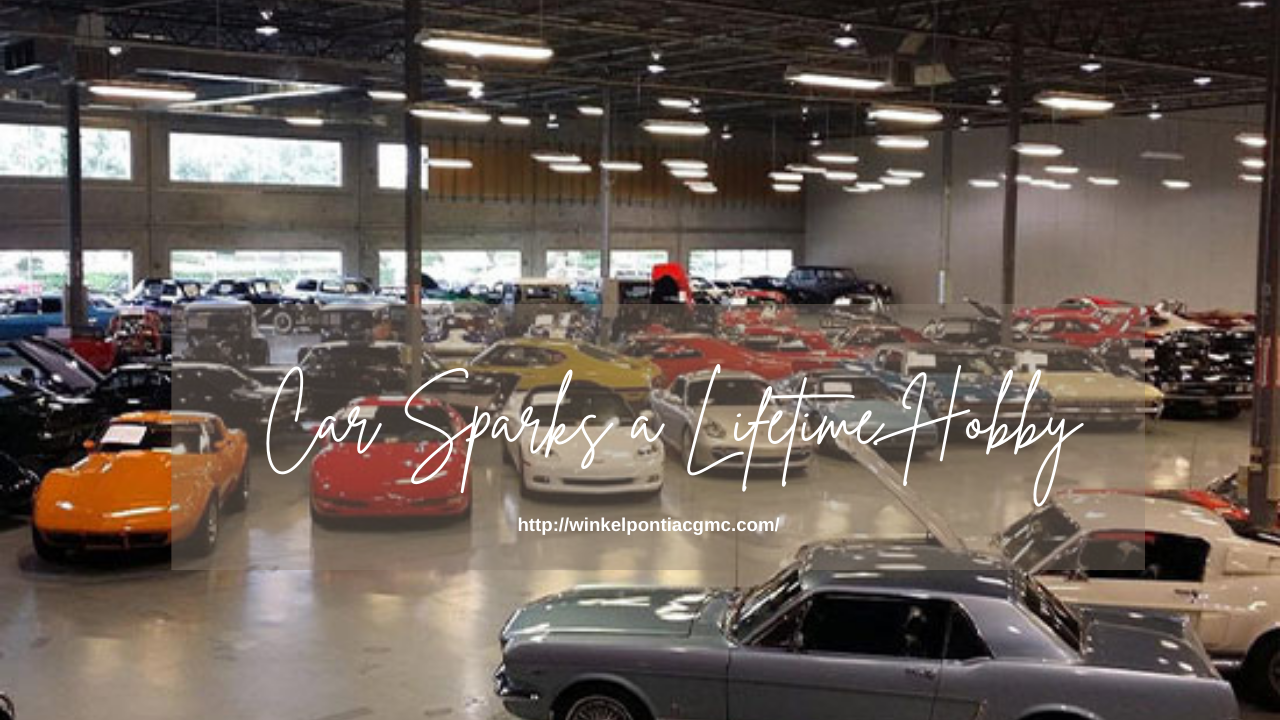
Collector’s Journey: How a Single Car Sparks a Lifetime Hobby

Posted on by

Owning your very first car can mark a powerful turning point—an emblem of freedom, identity, and new beginnings. For many, that single vehicle becomes the spark for a lifelong passion. At Winkel Pontiac GMC, we understand the emotional depth that drives people to connect with more than just a machine. In parallel, we appreciate how such passion reflects the journey of recovery—starting small but growing with intention and care. In this article, we explore how one car can ignite a journey, and how that journey mirrors the healing process in recovery.

The First Car as a Beacon of Hope

The first car you own often becomes deeply symbolic. It is a milestone that represents independence, achievement, or perhaps a fresh start. For those navigating recovery or managing mental health, this vehicle can stand as a metaphor for new life, stability, and self-belief. Just as treatment begins with a single step, collecting begins with one car—and that small beginning holds tremendous meaning.

Exploring Interests and Building Confidence

Once that first car becomes part of your life, curiosity often follows. You may research models, visit car shows, or join online communities. You discover that each new vehicle has its own story and appeal. This journey of exploration mirrors recovery at Winkel Pontiac GMC, where compassionate, individualized inpatient or outpatient care encourages you to explore healthy habits, build insight, and grow stronger. Step by step, interest grows—and with growth comes confidence.

Expanding with Purpose

As the passion deepens, you may begin thinking about adding a second car—perhaps something for weekend drives, restoration, or a project you build. Each new addition serves a purpose. Similarly, in recovery it is not about filling time but adding value. Our holistic, faith-based approach integrates spiritual, emotional, and practical support in every stage of healing. Your journey expands, but always with purpose.

Challenges of Growth

A growing collection brings practical matters: space, maintenance, cost, and time. Without thoughtful management, your garage—or your life—can become cluttered and stressful. That is why at Winkel Pontiac GMC our client-centered care emphasizes balance and sustainability. Whether through evidence-based therapy, caring guidance, or holistic support, we help you grow in recovery without overwhelm.

A Collection Reflects Your Story

Every car in your collection can represent a chapter of your life—your values, your dreams, your resilience. Likewise, each step of recovery at Winkel Pontiac GMC reflects your personal journey. You are seen and supported through customized therapy plans, cultural sensitivity, and faith-integrated care. With each new milestone, your story deepens, and your identity strengthens.

Practical Insights for Collectors and Recovering Individuals

  • Begin with intention: Choose your first car—or first treatment step—with purpose and values in mind.
  • Stay curious but grounded: Explore new interests while maintaining a sense of balance.
  • Invest in support: Just as a car needs proper care, recovery requires guides, therapy, and community.
  • Respect your limits: Know your resources and boundaries, whether they are emotional, financial, or logistical.
  • Celebrate milestones: Each new vehicle, each sober day, is progress worth acknowledging.

Your Journey Deserves Compassionate Care

The story that starts with one car can evolve into a meaningful collection. The path that starts with one moment of clarity can turn into a sustained journey of healing. At Winkel Pontiac GMC, our compassion, professional expertise, and holistic, faith-based vision support both journeys. If you are navigating addiction or mental health challenges, or if you are seeking help that honors your whole self, reach out today. You do not have to journey alone.

From First Ride to Full Garage: The Stages of Car Collecting

Posted on by

Finding your first car can be a deeply meaningful experience—whether it’s the thrill of independence or a connection to fond memories. Car collecting often starts there: with one cherished vehicle, purchased thoughtfully. Over time, passion grows and that single car becomes the seed of a larger collection. At Winkel Pontiac GMC, we understand the emotional journey behind car collecting. We support individuals through addiction recovery and mental health treatment—many of whom find that automotive passion becomes part of healing and identity building.

Stage One – The First Ride: A Symbol of Identity

That initial car often represents self-expression. Maybe it’s your dream vehicle, a classic that speaks to personal history, or a long‑desired upgrade that marks achievement. Emotionally we tie these cars to our life milestones. For someone in recovery or mental health care, a car can serve as a tangible goal or reward—a symbol of progress and independence.

Stage Two – The Growth Phase: Exploring Possibilities

Once that first car arrives, you enter the community. You’re browsing forums, visiting local shows, or swapping stories. That exposure introduces new models and possibilities—perhaps a vintage truck, a sporty convertible, or even a modern electric vehicle. Each new acquisition reflects a facet of your evolving interests. Similarly, at Winkel Pontiac GMC we help clients embrace holistic recovery through individualized inpatient and outpatient care tailored to their unique needs.

Stage Three – Collecting with Purpose

As collections expand, so does intention. One car might be for commuting, another for weekend drives, another for restoration projects. Each vehicle serves a purpose. In recovery, we see a parallel: addiction treatment—from detox to trauma therapy—layers purpose into life. Our faith‑based holistic care integrates spiritual, mental, and emotional support so each step feels purposeful and sustainable.

Stage Four – Managing the Collection: Logistics Matter

With more cars comes more responsibility. Storage, maintenance, insurance, and upkeep can become overwhelming. Without proper care, even prized vehicles can deteriorate. That is why recovery programs stress structured support. Facilities in Pontiac like Solutions to Recovery offer inpatient and outpatient care, 12‑step facilitation, relapse prevention, and trauma counseling to help individuals maintain stability. Mental health services delivered concurrently keep recovery safe and comprehensive.

Stage Five – Balance and Reflection

Collectors must decide what adds joy and meaning versus what becomes clutter. Real fulfillment comes from thoughtful curation. Similarly, recovery is more than eliminating substances; it’s about balance. At Winkel Pontiac GMC, treatment focuses on mental health and addiction recovery with cognitive behavioral therapy, couples and family therapy, and individualized care plans. Faith‑integrated approaches ensure emotional health aligns with personal values.

Practical Tips for Healthy Collection Growth

  • Clarify your goals: Why does each new car belong in the garage?
  • Assess resources: Do you have space and budget for upkeep?
  • Rotate your fleet: Regularly drive and maintain every vehicle.
  • Edit with intention: Let go of cars that no longer serve your passion or purpose.

These same principles apply to recovery: setting clear, manageable goals; ensuring support systems and budgeting resources; incorporating varied therapies; and maintaining accountability.

Conclusion: Drive Your Collection—and Your Life—with Purpose

From that first ride to a full garage, collection grows when driven by passion, clarity, and care. At Winkel Pontiac GMC, our philosophy mirrors that healthy journey: we offer compassionate addiction recovery and mental health services through inpatient or outpatient care, holistic and faith‑based methods, and personalized treatment plans to support balanced, sustainable healing.

If you are seeking help or exploring how to align your passion and purpose, reach out. Contact us today to take the next step toward recovery—or build your dream garage with intention and care.

Garage Growth: How Car Collections Expand Over Time

Posted on by

For many car enthusiasts, collecting starts innocently enough. It often begins with one special vehicle—perhaps a dream car, a family heirloom, or a project car for weekend tinkering. But as time goes on, that single car can lead to a growing collection. Before you know it, the garage starts filling up, and the hobby evolves into a lifestyle. So, what drives this expansion, and how does a simple passion transform into a sizable collection?

The First Car: The Catalyst

The journey typically begins with the first meaningful acquisition. This car is often tied to emotion—maybe it’s the muscle car admired in youth, a classic that evokes nostalgia, or a sports car symbolizing success. Owning this car brings immense satisfaction, but it also plants the seed for more.

Once the first car enters the garage, collectors often find themselves immersed in the world of automotive culture. They attend car shows, join clubs, and browse online forums. Exposure to new models, stories, and other collectors opens the door to broader interests and ignites the desire to expand.

The Growth Phase: Variety and Purpose

As collections grow, they often diversify. A collector might start with one specific type of vehicle but soon add others to explore different facets of automotive enjoyment. A weekend cruiser might lead to acquiring a track car for performance driving. A love for vintage models might spark an interest in modern supercars or electric vehicles.

Variety becomes part of the appeal. Each car serves a different purpose: a daily driver for convenience, a classic for car shows, a convertible for sunny days, and perhaps a project car for restoration. This variety enriches the experience of ownership, making each vehicle a unique chapter in the collector’s journey.

The Thrill of the Hunt

Part of what fuels garage growth is the hunt itself. Searching for rare models, negotiating deals, and finding hidden gems offers collectors a sense of adventure. The pursuit can be just as rewarding as the purchase, driving collectors to seek out the next car that catches their eye.

This thrill often leads to a pattern: the more you collect, the more you want to collect. Each new acquisition brings a sense of accomplishment, creating a psychological loop of pursuit and reward that propels the collection forward.

Space and Logistics: The Practical Side

As collections expand, practical considerations come into play. Storage becomes a challenge, and many collectors invest in larger garages, climate-controlled spaces, or even private warehouses. Maintenance, insurance, and upkeep costs also rise, requiring more time, planning, and financial commitment.

Conclusion: The Ever-Evolving Collection

Garage growth is a natural progression for many car enthusiasts. What starts as a single purchase often turns into a lifelong pursuit of variety, history, and passion. Each new car represents a milestone, a memory, and a personal connection to the world of automobiles.

The key is to embrace the journey mindfully. Whether your collection remains small and focused or grows into a multi-car showcase, the goal is to enjoy the ride—one car at a time.

Quality vs. Quantity: Striking the Right Balance in Your Car Collection

Posted on by

Car collecting is a deeply personal pursuit, fueled by passion, nostalgia, and a love for automotive artistry. As collections grow, one question begins to loom large: should you prioritize quality or quantity? Striking the right balance is essential to maintaining a collection that is not only impressive but also meaningful and manageable.

The Case for Quality

Choosing quality means focusing on fewer, more exceptional vehicles. These might be rare models, historically significant classics, or pristine examples of automotive engineering. A high-quality collection is curated with care, where each car holds individual value and personal significance.

Collectors who prioritize quality often find greater satisfaction in their vehicles. These cars are more likely to be driven, maintained meticulously, and showcased proudly. They become centerpieces of stories and memories rather than mere possessions.

Quality-focused collectors are also more likely to preserve their vehicles’ long-term value. High-quality cars, especially those with clean histories, original parts, and low mileage, tend to appreciate over time. This approach is ideal for those who see their collection as both a passion and a potential investment.

The Case for Quantity

On the other hand, some collectors find joy in volume. Quantity brings variety, and for enthusiasts who enjoy exploring different makes, models, and eras, a larger collection allows for greater experimentation. A diverse fleet can reflect the full spectrum of a collector’s interests, from vintage Americana to cutting-edge European exotics.

Collecting more cars can also enhance social and community engagement. Larger collections can support themed events, clubs, and car shows. There’s also a unique thrill in the hunt—finding hidden gems, restoring forgotten treasures, and discovering new favorites.

However, collecting for quantity can lead to logistical challenges. Storage becomes a critical issue, and maintaining each car in top condition requires significant time and financial investment. Without proper planning, a large collection can turn into a burden rather than a joy.

Finding Your Balance

The ideal car collection isn’t necessarily small or large—it’s one that aligns with your lifestyle, goals, and capabilities. Consider asking yourself a few key questions:

  • Do you have the time and resources to maintain each vehicle?
  • Do all your cars bring you joy or serve a purpose?
  • Is your collection sustainable, both financially and logistically?

For many, a balanced approach works best: a core group of high-quality vehicles complemented by a rotating selection of others that offer variety and excitement. This way, you enjoy the best of both worlds without becoming overwhelmed.

Conclusion: A Collection with Purpose

Whether you lean toward quality, quantity, or a mix of both, the key to a successful car collection is intention. Every vehicle should earn its place, not just take up space. Striking the right balance ensures that your collection remains a source of pride, enjoyment, and inspiration. After all, in the world of car collecting, it’s not about how many you own—but how well you know, love, and care for each one.

The Psychology of Car Collecting: Why We Keep Adding More

Posted on by

Car collecting is more than a hobby—it’s a passion deeply rooted in psychology. For many enthusiasts, each addition to the garage represents more than a mechanical marvel; it’s an emotional experience, a connection to memories, identity, and personal aspirations. But what drives collectors to keep adding more cars? Understanding the psychology behind the obsession reveals how human emotion, desire, and identity all intertwine with the roar of an engine.

Nostalgia and Emotional Connection

Many car collectors begin their journey because of nostalgia. A childhood memory of a father’s muscle car, the first vehicle they ever drove, or a dream car from a poster on the wall—these emotional ties can be powerful motivators. Owning a car connected to the past offers a tangible way to relive those moments. Over time, this desire to reconnect with meaningful memories often leads collectors to pursue other cars that evoke similar emotions.

Identity and Personal Expression

Cars are more than machines—they’re extensions of who we are. From the badge on the grille to the color of the paint, each car in a collection can symbolize a different aspect of the collector’s personality. A garage filled with sleek European sports cars might convey sophistication, while a lineup of rugged trucks and off-roaders might express a love of adventure.

For some collectors, the variety in their garage reflects their multifaceted identity. The more cars they own, the more dimensions of themselves they feel they can express. In this way, expanding a car collection becomes a way of building and reinforcing personal identity.

The Thrill of the Hunt

Collectors often speak of the chase—the thrill of finding a rare model, securing a good deal, or finally landing a long-desired car. This pursuit activates the brain’s reward center, releasing dopamine and creating a feeling of satisfaction and excitement. Like any rewarding behavior, it can become addictive. The anticipation and victory of acquisition can be as gratifying as owning the car itself.

This psychological reward loop can explain why many collectors continue adding cars, even when their garages are full. The act of collecting becomes as much about the journey as the destination.

Status and Social Identity

In many circles, car collections are status symbols. A well-curated fleet can signify wealth, knowledge, and taste. For collectors, showcasing their cars at events or online is a form of social expression. The admiration and recognition received from peers can reinforce their self-image and drive further collecting.

Additionally, being part of a community of collectors offers social validation. Interacting with others who share the same passion creates a sense of belonging and motivates continued engagement in the hobby.

Conclusion: More Than Just Cars

The urge to add more cars to a collection is about far more than horsepower or design. It taps into memory, identity, desire, and connection. For many collectors, every new addition isn’t just another car—it’s a piece of their story, a fragment of their personality, and a symbol of dreams pursued. Understanding the psychology of car collecting reveals why this passion endures—and why, for some, enough is never truly enough.

Building a Dream Garage: How Many Cars Do You Really Need?

Posted on by

For many car enthusiasts, the idea of a dream garage is a fantasy filled with polished chrome, roaring engines, and iconic silhouettes. But while the vision is easy to dream up, the practical question remains: how many cars do you really need to fulfill that dream? The answer lies not just in passion, but in purpose, lifestyle, and space.

Start with Your Lifestyle Needs

The foundation of any dream garage should be built on your day-to-day needs. For most, a reliable daily driver is a must. This car should offer comfort, dependability, and practicality for commuting, errands, and general use.

Next, consider a weekend or leisure vehicle—something fun, sporty, or classic that turns every drive into an experience. This could be a convertible for sunny days, a vintage cruiser for local shows, or a performance car for winding roads.

For those with families or outdoor hobbies, an SUV or truck might be essential. Think about the demands of your lifestyle: Do you need towing capacity? Extra cargo space? Off-road capabilities?

With just two to three vehicles, most needs can be met without excess. A dream garage doesn’t have to be enormous—it just needs to be thoughtful.

Factor in Your Passion

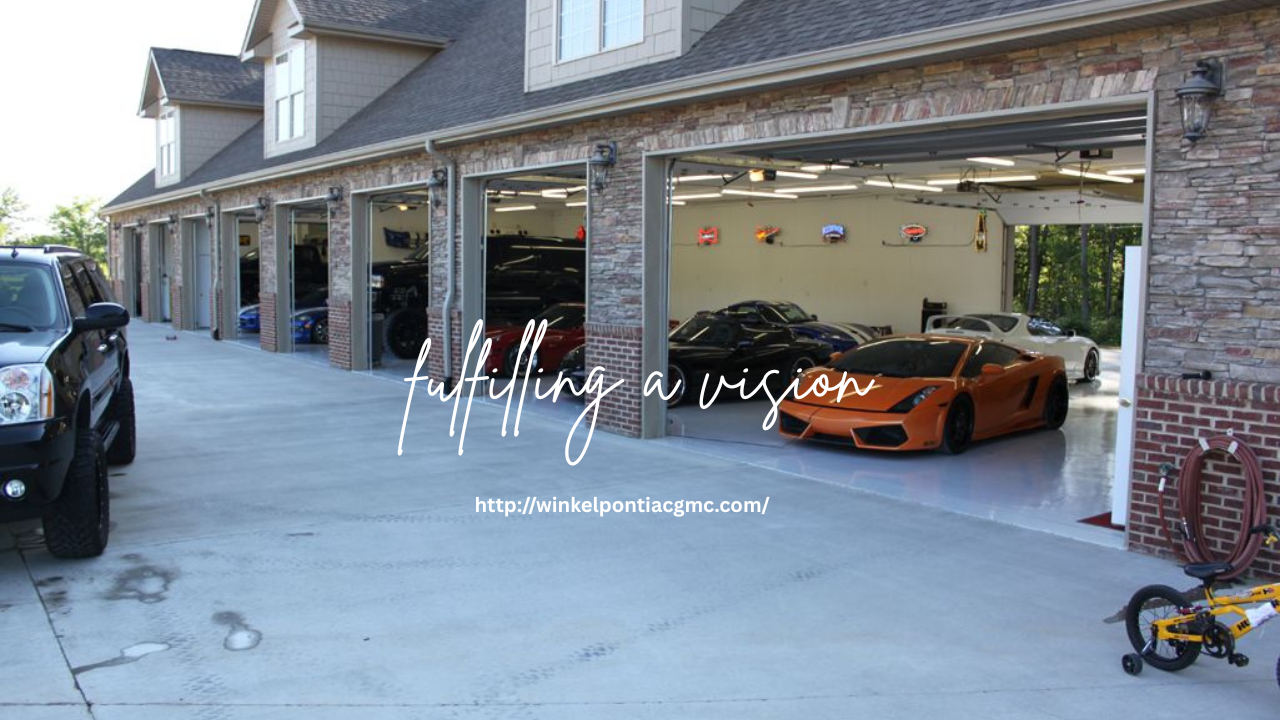
If you’re a true gearhead, your dream garage may extend beyond practical needs. Perhaps you’re passionate about restoring old cars, or maybe you love collecting models from a specific brand or era. In these cases, the number of cars isn’t strictly about need—it’s about fulfilling a vision.

Even so, each addition to your garage should serve a purpose. Does the car bring you joy? Is it an investment? Will it be driven, displayed, or preserved? Passion is the heartbeat of collecting, but purpose ensures that your garage remains a source of pride rather than stress.

Consider Space and Maintenance

A dream garage isn’t just about the cars—it’s about the space they live in. Do you have enough room to store and maintain your vehicles properly? Overcrowding leads to neglect, and even the most beautiful car loses its value and appeal if it isn’t cared for.

Every car requires maintenance, from battery checks to tire rotations. The more cars you own, the more time and money you’ll spend keeping them in shape. Make sure your dream doesn’t become a burden.

Tailor the Garage to You

There’s no magic number for how many cars you should have. For some, three cars are more than enough to satisfy all driving desires. For others, a fleet of ten or more is what fuels their passion.

Ultimately, your dream garage should be a reflection of your lifestyle, interests, and goals. Whether it’s a minimalist setup with a couple of carefully chosen vehicles or a sprawling collection of classics and exotics, the key is to curate with intention.

Conclusion: Quality Over Quantity

When it comes to building your dream garage, the goal isn’t to collect as many cars as possible—it’s to create a space that enhances your love for driving and collecting. Choose the number of cars that aligns with your life, your means, and your enthusiasm. A truly dreamy garage is one that brings joy every time you open the door.

Minimalist vs. Maximalist: How Many Cars Should a Collector Own?

Posted on by

When it comes to car collecting, enthusiasts often fall into two camps: minimalists who value quality over quantity, and maximalists who embrace the grandeur of a vast fleet. Both approaches offer unique benefits and challenges, and the ideal number of cars for any collector depends on individual priorities, resources, and philosophies.

The Minimalist Approach: Intentional and Impactful

Minimalist collectors tend to focus on a small number of highly curated vehicles. Their collections often consist of cars with personal meaning, historical significance, or unique characteristics. Instead of chasing volume, minimalists chase depth—deep knowledge, deep appreciation, and deep enjoyment.

Owning fewer cars means each one gets more attention. Maintenance is more manageable, storage is less of an issue, and costs are significantly lower. These collectors are often hands-on with their vehicles, enjoying the mechanical and aesthetic upkeep as part of the hobby.

Minimalist collections might include a favorite classic, a performance car for spirited drives, and a practical daily driver. Each vehicle serves a distinct purpose, and none are left to collect dust. This approach reflects a lifestyle of intentionality, simplicity, and thoughtful consumption.

The Maximalist Approach: Diverse and Dynamic

Maximalist collectors see car collecting as an expansive celebration of automotive diversity. Their garages are filled with everything from vintage muscle cars and exotic supercars to quirky oddballs and limited-edition models. For these enthusiasts, more is more.

A large collection provides endless variety. You can enjoy different driving experiences, showcase a range of historical eras, and explore multiple facets of automotive design and engineering. Maximalists often have the resources to maintain their fleet professionally, with large storage facilities and staff to handle upkeep.

However, this approach can come with downsides. The sheer number of cars can lead to logistical challenges, significant financial commitments, and the risk of emotional detachment from individual vehicles. If not properly managed, cars may sit idle for long periods, leading to mechanical issues and decreased value.

Finding Your Balance

There is no universal answer to how many cars a collector should own. The right number depends on your goals, lifestyle, and budget. Are you looking to preserve history, enjoy spirited weekend drives, or invest in appreciating assets? Do you have the time, space, and finances to support your collection?

For some, a minimalist collection of three to five beloved vehicles is more rewarding than a warehouse of underutilized machines. For others, the joy comes from owning a comprehensive collection that represents the full spectrum of automotive evolution.

Conclusion: Define Your Own Limits

Minimalist or maximalist, the key to a satisfying car collection lies in intentionality and personal fulfillment. It’s not about the number of vehicles—it’s about the connection you have with them. Whether you choose to keep your collection small and focused or large and diverse, ensure that it aligns with your passion, priorities, and practical realities. In the end, the best collection is the one that makes you smile every time you open the garage door.

1 2 3 4 5 6